How STCH Is Modernising Apparel Manufacturing With AI & Factory OS
India’s D2C fashion ecosystem has become exceptionally good at spotting trends. Brands today use AI to generate hundreds of new…
India's direct-to-consumer (D2C) fashion industry is excelling at predicting trends, utilizing AI to rapidly generate designs and identify consumer preferences. However, the manufacturing process remains slow, taking four to five months to turn a design into a finished garment. This disconnect is a major operational challenge as fashion cycles shorten.
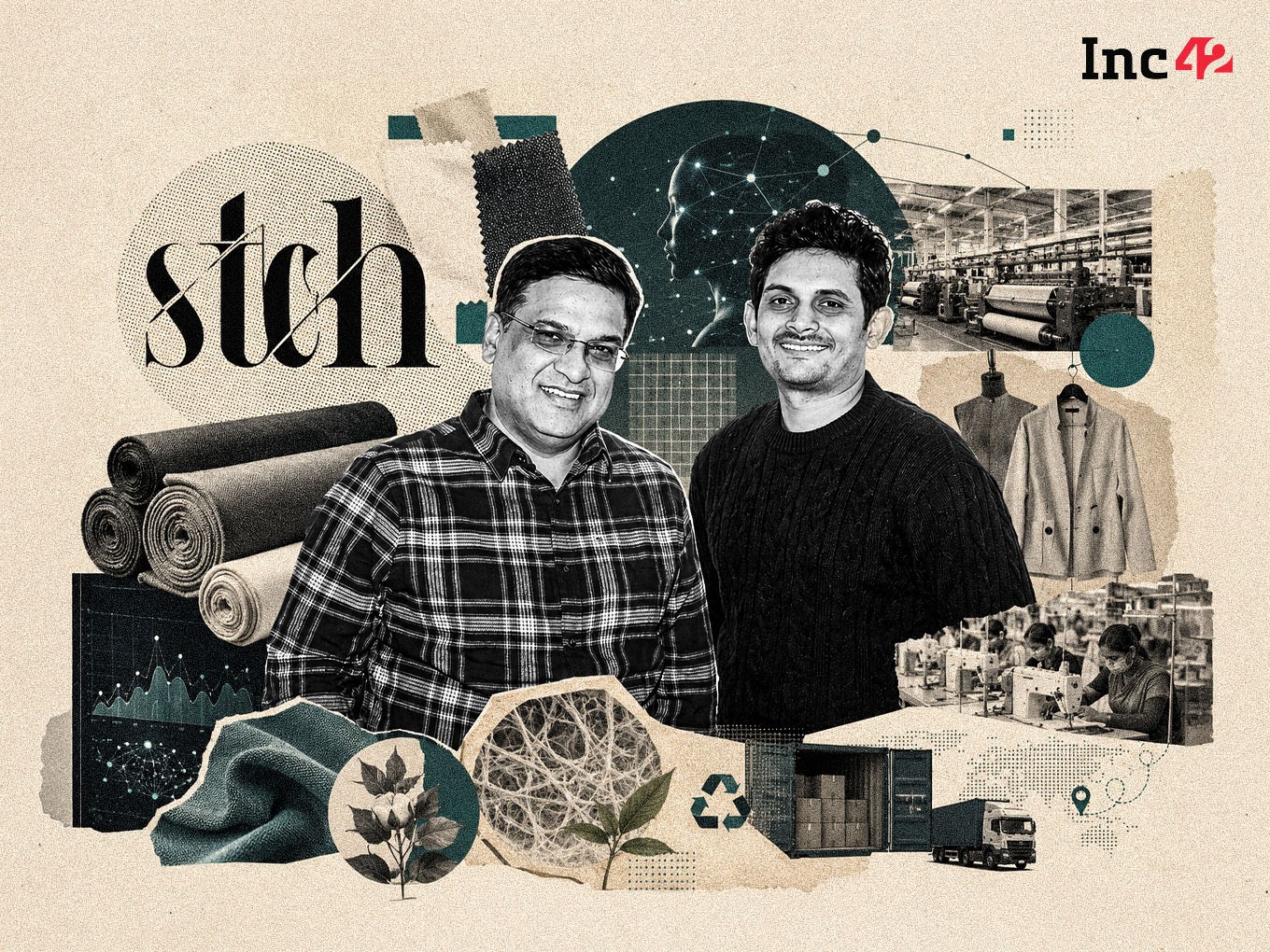
Bengaluru-based startup STCH believes the solution lies not in India's manufacturing capacity, but in improving manufacturing organization. Founded in 2025 by former Zetwerk executives Narahari Payala and Aseem Chitkara, STCH is developing a technology-driven contract manufacturing platform that leverages AI and factory operations to help brands speed up product development, manufacture in smaller batches, and replenish inventory based on demand.
Unlike other fashion tech startups focused on consumer-facing platforms, STCH targets manufacturers, arguing that while AI has accelerated design, the manufacturing layer has remained largely unchanged. After working with a UK apparel brand to replace Turkish-sourced fabrics with Indian suppliers, reducing sourcing costs by nearly 20%, STCH believes it has found a significant opportunity in technology-led manufacturing.
Working with fashion brands before garments reach the factory floor, STCH assists with product development, trend identification, product selection, and material determination. Its technology stack includes AI models that analyze trends and demand, a fabric intelligence engine that recommends suitable materials, and Factory OS, which combines workflow software with IoT devices to track production, monitor quality, and improve visibility across facilities.
By integrating these stages, STCH claims to have reduced product development timelines from nearly five months to about 45 days, enabling brands to produce closer to demand, replenish successful products faster, and reduce inventory risk. The startup also invests in fabric R&D, developing proprietary materials tailored to brand requirements to differentiate products without the need for in-house textile research.
Written by urgent.news from Inc42's reporting — not their text. Machine-written — may contain errors; check the original before relying on it.