How SpaceX rockets could transform the global cargo system
You might think about rockets as powerful vehicles that blast astronaut crews and robotic missions off into space. But what if they could be used to send cargo from one side of the Earth to the other, in a fraction of the time it would take a plane? The company SpaceX recently announced a project that aims to use its rockets to do just that. SpaceX launched its Starfall demo mission on June 23,…
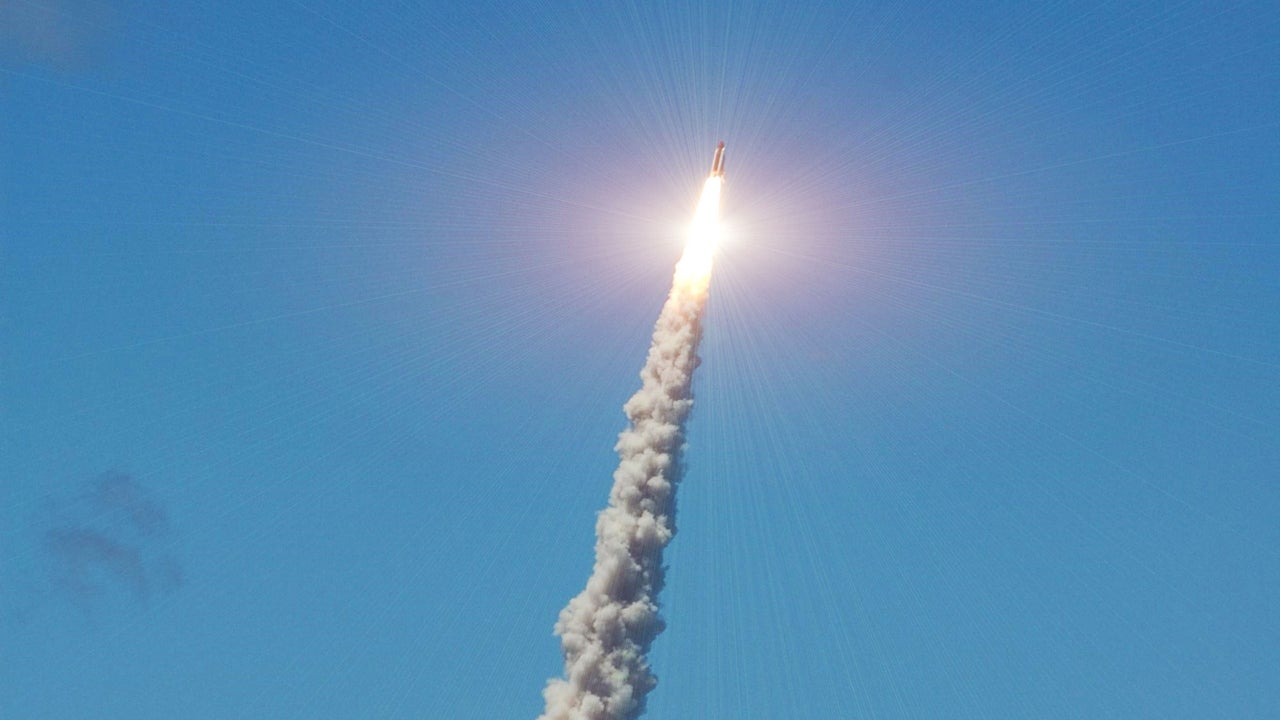
SpaceX, the renowned aerospace company, recently announced a project that would utilize its rockets to deliver cargo around the globe in a fraction of the time it takes conventional transportation methods. This ambitious initiative, known as Starfall, has two primary objectives: to expedite the delivery of cargo globally and to facilitate cargo transportation between Earth and space.
The latter application could potentially give rise to in-space manufacturing markets that harness the unique properties of microgravity and space vacuum. The authors, both aerospace engineers, believe that Starfall could serve as both a cornerstone of a rapid delivery system and a crucial infrastructure for future in-space manufacturing opportunities.
The concept of orbital cargo delivery is fundamentally different from traditional supersonic aircraft like the Concorde, primarily due to its intended customer base. While the Concorde catered to commercial airlines and passengers, orbital cargo transport holds promise for a diverse range of users, including government and defense sectors that greatly value fast delivery.
It is unlikely to replace conventional transportation methods, such as sea shipping or air freight, but rather offers an alternative: ultrafast emergency transport for critical medical supplies, disaster relief, and urgent defense support within a few hours. Furthermore, Starfall's design allows for the possibility of cargo transfer not only between two points on Earth but also to and from space.
This in-space manufacturing potential is highly attractive for companies aiming to produce or research products in microgravity or a vacuum, such as pharmaceuticals, electronics, or specialized semiconductors. Despite the potential benefits, an orbital cargo transport system faces numerous challenges that SpaceX must address. Rockets inherently experience significant vibrations and high-G forces during launch and reentry, which could potentially damage delicate electronics, fragile calibration tools, or volatile medical supplies.
To mitigate these risks, SpaceX has pioneered the concept of reusing rockets, making launches more affordable; however, the successful operation of a cargo network requires addressing the intricate puzzle of various systems engineering factors. For instance, determining optimal launch and landing site locations, designing efficient loading and unloading mechanisms, and establishing the required quantity of rockets are crucial early decisions that can significantly influence the project's success.
The system must seamlessly integrate with existing transportation logistics to capitalize on its rapid delivery capabilities effectively. Although many technical and logistical challenges remain, experts in both industry and academia are actively addressing these issues. With careful planning and early consideration of the logistical hurdles, experts believe that orbital cargo transport could usher in a new era of transportation and the space economy.
Written by urgent.news from Fast Company's reporting — not their text. Machine-written — may contain errors; check the original before relying on it.