How Japan’s racehorses find second careers away from the track
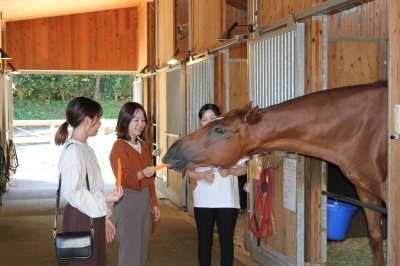
After their racing careers are over, only a lucky few of Japan's nearly 9,000 racehorses end up at TCC Therapy Park for rehabilitation.
In Japan, horse racing is one of the three major forms of legalized gambling, alongside pachinko and keirin. The Japan Racing Association (JRA) oversees nearly 300 days of official races each year, attracting both high rollers and casual spectators. The success of these horses on the track is crucial, as many are retired if they fail to win a race by the summer of their third year.
Hiroko Kawaguchi, an equestrian instructor and horse handler, notes that these discarded racehorses often find new careers in various capacities. Some are transferred to regional circuits, retrained for different types of races, or simply retired. The majority, however, are culled for eventual use as meat for human or animal consumption.
Written by urgent.news from Japan Times's reporting — not their text. Machine-written — may contain errors; check the original before relying on it.