How ideas of a vast censorship network moved from the online fringe to Trump policy
This article was produced in partnership with Type Investigations, with support from the Wayne Barrett Project. One morning in April 2025, employees of a small office in the US State Department got the email many of them had been dreading. For months, Elon Musk’s Department of Government Efficiency had been cutting a wide swath through…
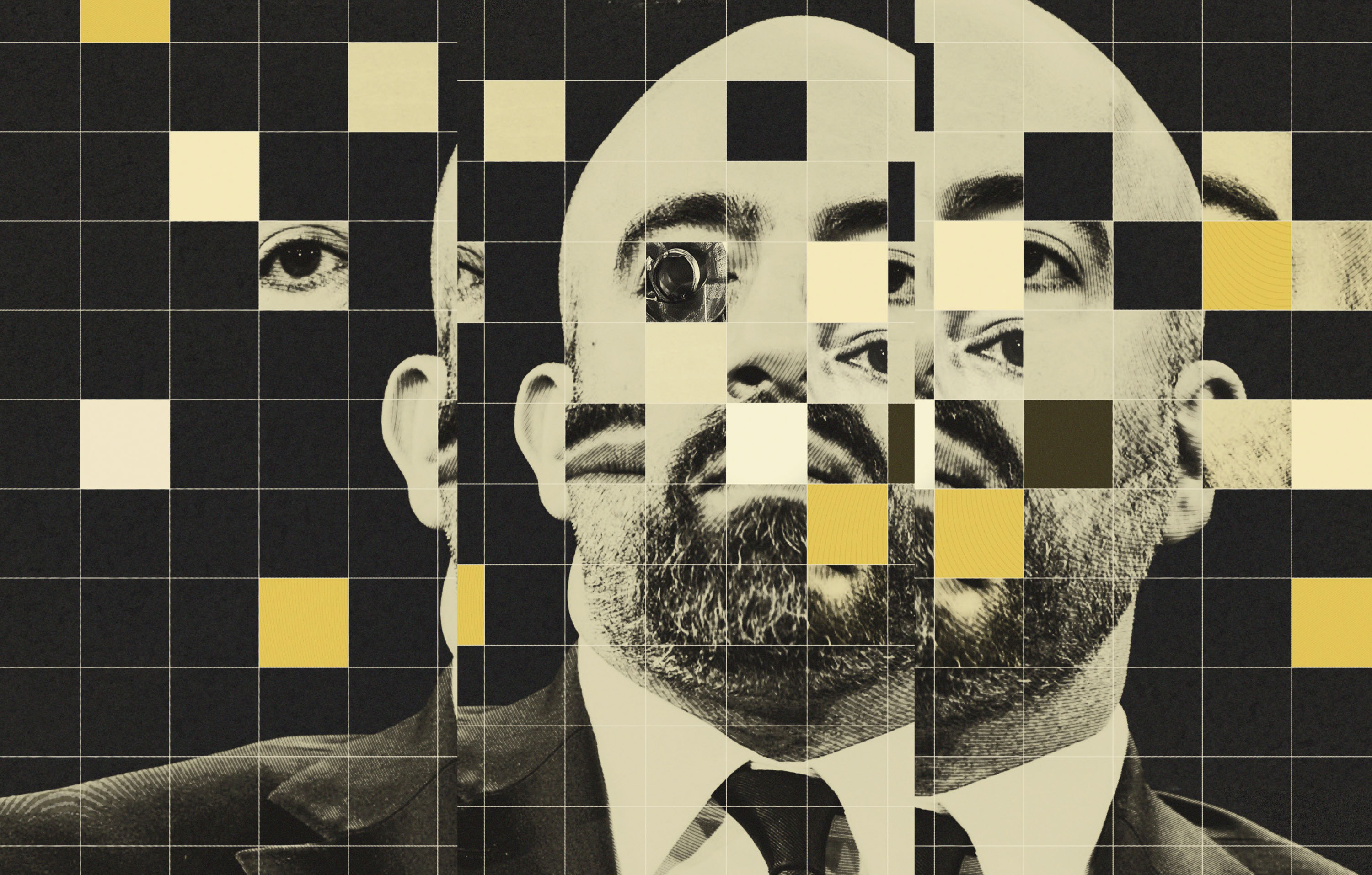
In early April 2025, staff members at a small office within the US State Department anticipated the closure of the Counter Foreign Information Manipulation and Interference Hub (R/FIMI) amid a broader deconstruction of federal agencies initiated by Elon Musk's Department of Government Efficiency. The R/FIMI unit, responsible for monitoring foreign disinformation, faced imminent termination under the leadership of Darren Beattie, a far-right figure who, as acting undersecretary of state for public diplomacy, swiftly announced the elimination of its workforce.
This news, however, was met with mixed reactions at the State Department, with some expressing dismay while others hailed it as a triumph over what they perceived as government-sponsored censorship.
Conversely, the decision to dismantle R/FIMI was celebrated by Secretary of State Marco Rubio, who announced the end of state-sponsored censorship and highlighted the hypocrisy of government entities supposedly combating disinformation. This development allowed the propagation of a prevalent conspiracy theory among far-right circles, which posits that a vast network of government agencies, academia, civil society groups, and Big Tech platforms collectively aim to suppress conservative and populist discourse online, effectively operating as a "censorship-industrial complex" (CIC).
The CIC theory, which gained traction over the past decade on right-wing platforms, asserts that various government entities, academics, civil society organizations, and major technology companies are covertly suppressing conservative and populist speech. This narrative gained significant momentum during the second Trump administration, leading to the dismantling of several government agencies involved in tracking and countering foreign influence efforts, including the Cybersecurity and Infrastructure Security Agency, the FBI’s Foreign Influence Task Force, and USAID.
This dismantling has not only reshaped the US national security strategy but has also sparked international tensions, particularly with the European Union over its stringent tech regulations, which critics argue unfairly silence American voices.
The origins of the CIC framework can be traced back to 2023, when it was amplified by Mike Benz, a lesser-known individual with ties to Donald Trump's first administration, despite his relative obscurity. Benz emerged as a central figure in disseminating the CIC theory through a network of right-wing media outlets and podcasts, which subsequently reached high-ranking officials within the US government.
His relentless creation of related content online and its subsequent amplification by right-wing media outlets played a pivotal role in shaping the administration’s policies, resulting in significant actions such as travel bans, sanctions on targeted industries, and tensions with the European Union over tech regulations. Ultimately, the CIC theory exemplifies how a fringe conspiracy theory can infiltrate and influence key decision-making processes within the US government.
Written by urgent.news from MIT Technology Review's reporting — not their text. Machine-written — may contain errors; check the original before relying on it.