How a 90-second power outage sparked chaos for rail commuters
The incident raised questions about how a disrupted power supply can have such a widespread impact.
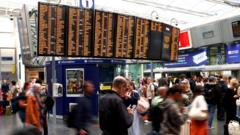
A brief power outage at a Network Rail control center in Manchester triggered widespread disruption for rail passengers. While the outage itself lasted only 90 seconds, it raised concerns about how a minor incident could have such an extensive impact on the railway network. Network Rail, the organization responsible for Britain's railway infrastructure, is facing scrutiny over its response to the incident.
The Manchester operating center, which manages significant portions of the North West, experienced a power cut that was quickly resolved but led to several complications. Communications systems within the center did not function as expected, requiring reconfiguration and replacement. Additionally, the emergency response caused some damage to the signaling systems, which further delayed train operations.
Given the importance of the center's role in controlling crucial railway components, many trains were left out of position, resulting in a significant impact across the North West region and beyond. Network Rail has apologized to affected customers and initiated an investigation to understand the cause of the issue. The company plans to enhance the resilience of its signaling systems to prevent similar occurrences in the future.
Critics have pointed out that centralizing control into fewer operating centers can make the network more vulnerable, as problems at one location can have broader consequences. Rail experts argue that while centralization can improve efficiency, it also increases the risk of widespread disruptions if a single center fails. The recent outage has not been directly linked to other issues like speed restrictions or infrastructure failures related to extreme heat, but it adds to the growing list of challenges faced by the rail network.
Rising costs, funding pressures, and job cuts have further strained Network Rail's ability to maintain and improve its services. The company receives substantial government funding, which has increased in recent years but remains under pressure due to inflation and the impacts of extreme weather events. As discussions about the future of rail services continue, with potential nationalization and restructuring on the horizon, questions remain about the optimal balance between centralization and resilience in the railway system.
Written by urgent.news from BBC Business's reporting — not their text. Machine-written — may contain errors; check the original before relying on it.
This story
This is one outlet's version. Read the fullest account.