From distrust to deal making: How regional turmoil and US pressure have drawn Iraq and Syria closer together
When Syrian President Ahmad Al Shara met Iraqi security officials in January 2025, only weeks after taking over power in Damascus, distrust was so high that he wore what was speculated to be a gun under his suit jacket. More than a year and a half later, Damascus and Baghdad are co-operating in various sectors – from developing markets for Syrian produce to reactivating, under US auspices, an oil…
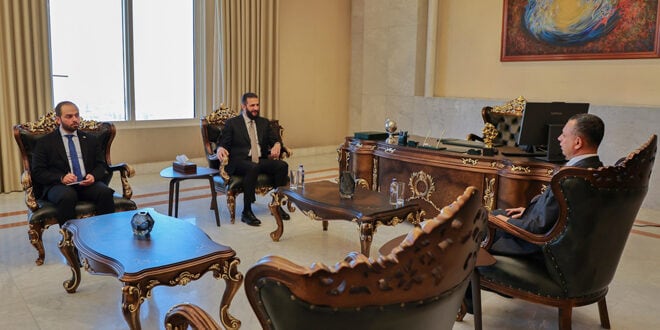
In January 2025, Syrian President Ahmad Al Shara met Iraqi security officials, displaying an atmosphere of distrust characterized by Al Shara wearing what was believed to be a gun under his suit jacket. Despite this initial apprehension, both countries have since cooperated in various sectors, such as developing markets for Syrian produce and reactivating an oil pipeline that transports Iraqi fuel oil from Kirkuk to Syria's port of Baniyas.
The pipeline has facilitated at least 2.1 million tonnes of Iraqi fuel oil exports since April, compensating for the loss of maritime routes due to the Hormuz blockade.
Syria's co-operation with Iraq has been bolstered by US interests, with the US special envoy Tom Barrack playing a key role in facilitating the oil pipeline deal alongside Chevron and Al Khayyat brothers, Syrian-Qatari businessmen. The US is also seeking Syria's cooperation to "save face" amidst the ongoing conflict with Iran, although the new Iraqi government has been pushing forward with US-mediated deals without significant involvement from Iran-aligned Shiite militias.
Iraq's reliance on Iranian approval for the pipeline project has been contingent on Iran's willingness to maintain a minimum of hard currency flows to Iraq. However, the pipeline remains a strategic concern for Iran, as it could potentially undermine their control over the Strait of Hormuz. The Iran-backed militias in Iraq continue to harbor hostile sentiments towards Syria's new government, despite the negative impact of dwindling oil revenues on their constituencies.
Despite the hostilities, the 400-kilometre frontier between the two nations has witnessed a relative decrease in tension since the fall of Bashar Al Assad. Both countries have engaged in increased cooperation on countering ISIS and illicit drug trafficking, including crystal meth, as well as intercepting shipments. The Iraqi border guard commanders and Syrian commanders from Hayat Tahrir Al Sham have been exchanging contact details to ensure the prevention of any misunderstanding.
In June, the Iraqi Foreign Minister Fuad Hussein visited Damascus for the first time since the collapse of the Assad regime, focusing on water and agriculture cooperation, as well as easing border trade. The Syrian army has reportedly moved forces near the border with Iraqi knowledge and coordination. Overall, Iraqi-Syrian relations have been deemed "remarkable" in their recent cooperation to combat terrorist organizations and drug trafficking networks, although no major projects have been initiated since the Kirkuk-Baniyas pipeline, shut down for four decades due to political differences between the two nations.
Written by urgent.news from The National UAE's reporting — not their text. Machine-written — may contain errors; check the original before relying on it.