Forthcoming New Museum Show Is a Love Letter to the Bowery
"The Bowery: Devil’s Mile,” opening September 24, traces 400 years of the iconic strip known as a destination for fun, however raucous or refined.
An upcoming exhibition at New York's New Museum named "The Bowery: Devil’s Mile" promises to celebrate the storied history and cultural significance of the famed Bowery district. Spanning four centuries, the show will showcase a diverse array of artifacts, artworks, and archival materials that illuminate the Bowery's evolution from Lenape trail to gritty urban landscape.
Highlights will include a 1796 map of New York by Bernard Ratzer, a 1830 hand-pump fire engine, and surviving attractions from New York's pioneering dime museums. Visitors will also encounter Jacob Riis's groundbreaking documentary photography and works by influential artists such as Keith Haring, Lynda Benglis, and June Leaf.
The exhibition opens on September 24, coinciding with a separate Arthur Jafa survey at the museum's newly expanded Bowery location. Art historian David Godlis notes that the Bowery, originally a Lenape footpath, became a site of emancipation in the 1640s when 11 Black men freed by the Dutch were granted land plots along the route, making it Manhattan's first free Black settlement.
During the 18th and 19th centuries, the Bowery's upper and lower sections catered to the wealthy and the livestock industry, respectively. Entrepreneurship along the thoroughfare fostered an economy centered around taverns, theaters, circuses, and dime museums. The 19th century also saw the Bowery become synonymous with multicultural immigration, though unsanitary tenement housing, crime, and disease plagued the area as the population boomed.
Jacob Riis's muckraking journalism exposed the grim realities of Bowery life, yet the neighborhood continued to decline following economic downturns, Prohibition, and the Great Depression. By the 1940s, the Bowery was dubbed "Skid Row." However, the mid-20th century saw a cultural revival as artists like Mark Rothko, William Burroughs, and John Giorno flocked to the neighborhood, drawn by its affordability and artistic freedom.
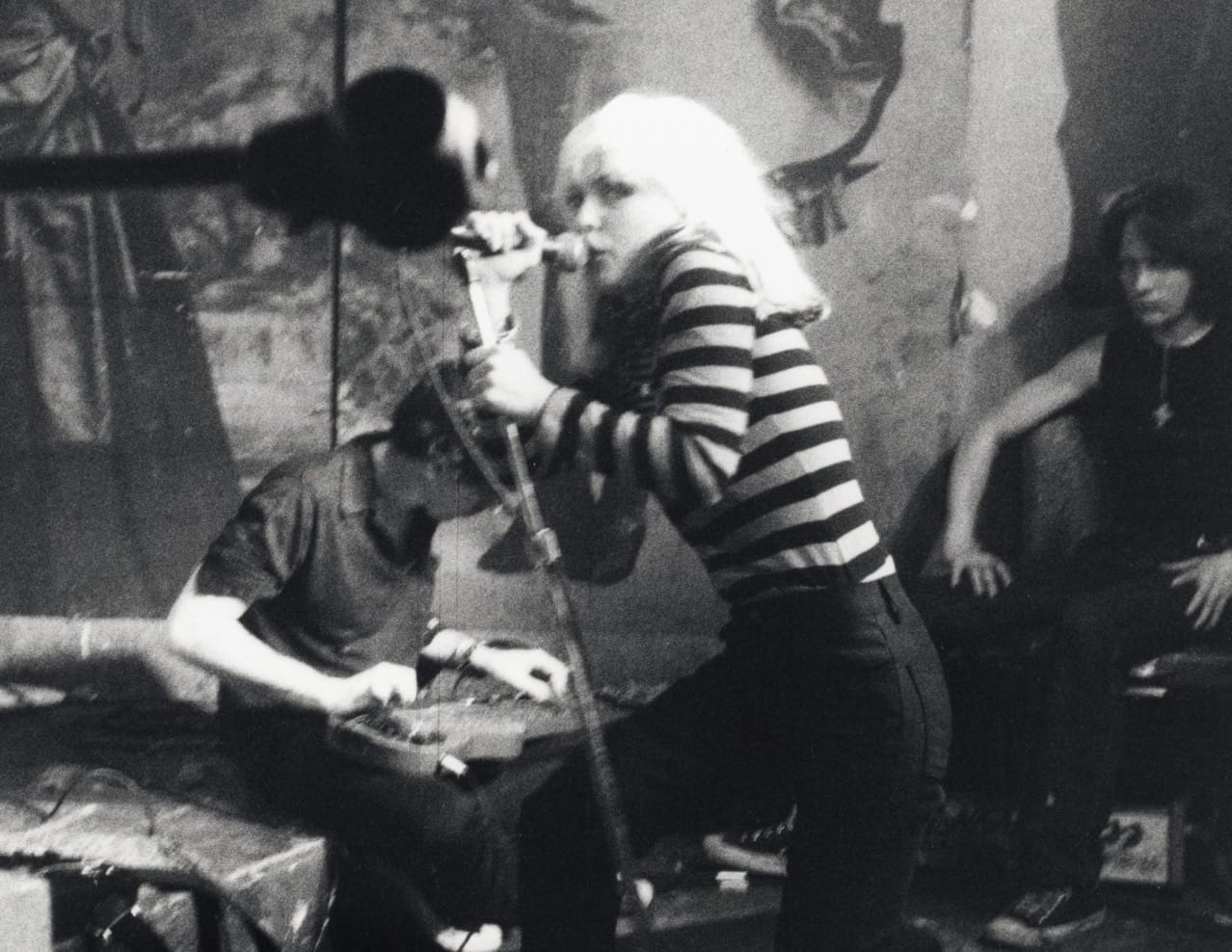
The Bowery's transformation into a mecca for punk and new wave music began in 1973 with the opening of CBGB, which launched the careers of iconic bands such as Blondie, the Ramones, the B-52s, and the Talking Heads. The New Museum, only moving to the Bowery in 2007, describes the upcoming exhibition as an "introduction" to the street's "richness and complexity" and its enduring "generative power and concentrated energy as a street, a neighborhood, and a state of mind."
Written by urgent.news from Hyperallergic's reporting — not their text. Machine-written — may contain errors; check the original before relying on it.