Foreign aid's next chapter: Better delivery, not retreat
This is a moment not to discard decades of progress in learning how to deliver aid but to reconsider priorities and demand greater accountability.
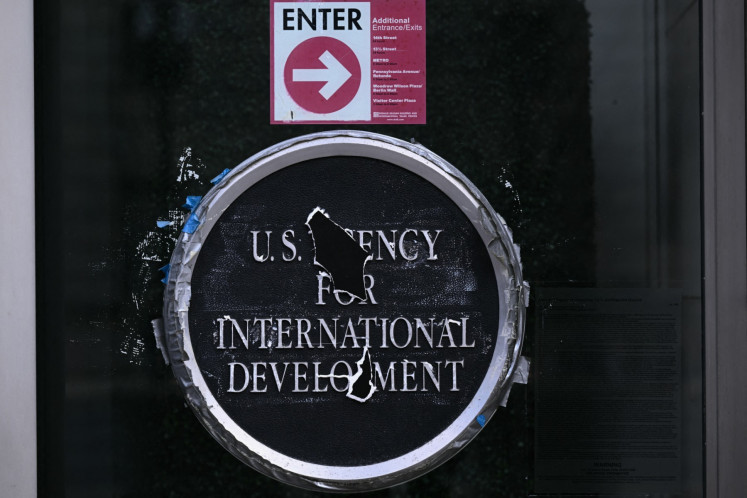
Foreign aid is facing a new chapter focused on better delivery rather than retreat, despite shrinking budgets. While OECD donors provided $174.3 billion in assistance in 2025, the United States reduced its contributions by 83% following the Trump administration's cuts to USAID programs. However, conflicts, epidemics, displacement, and geopolitical competition will likely continue to drive foreign aid expenditure.
The challenge now is to reshape the aid system, not abandon it entirely. Aid has faced two main criticisms: inefficiency and misallocation of resources. To address these issues, aid delivery must be improved by focusing on the "last mile" between donor funds and the beneficiaries. This involves implementing proper registries, payment systems, grievance procedures, and local infrastructure to ensure that aid reaches those in need, such as remote villages and refugee camps.
Despite potential risks, well-managed delivery can enhance the effectiveness and appeal of foreign aid.
Written by urgent.news from The Jakarta Post Academia's reporting — not their text. Machine-written — may contain errors; check the original before relying on it.