Flag-waving at Fuji Rock: Conviction or fashion?
Music has long served as an expression of a fundamental human freedom — the right to speak, to challenge authority and to be heard without fear of the state.
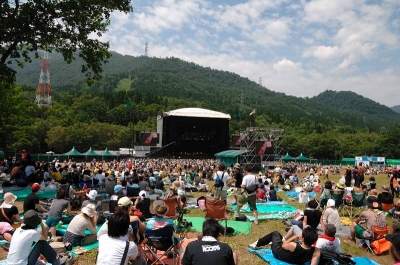
Every summer, rock festivals take center stage in many countries, including Japan where the Fuji Rock event reigns supreme. Held in the mountains of Niigata each July, the festival draws over 100,000 music enthusiasts to its grand celebration. Just like other nations, Japanese fans often don their support for the performers, often displaying banners or flags of the artists' home countries as they cheer them on.
However, this year, amidst global tensions in Europe and the Middle East, the festival took on a different symbolism. Photos and videos shared on social media from July 24 have garnered millions of views, showing both the flag of Iran and the Palestinian flag fluttering proudly at the festival's site. Flags, while often seen as simple tokens, carry with them a rich history, governmental affiliations, and unresolved political disputes.
Their presence at Fuji Rock prompts a critical question: Are the organizers and attendees fully aware of the complex narratives behind these flags? As viewers, do we fully grasp the weight and implications of these symbols as we either hold them or watch others display them at such a prominent event?
Written by urgent.news from Japan Times's reporting — not their text. Machine-written — may contain errors; check the original before relying on it.