Fireballs, near misses and distress calls: Hormuz sailor recalls horror of being caught in US-Iran war
Fireballs in the sky, deafening missile and drone strikes tearing into ships nearby, and an overriding fear that his cargo vessel would be the next target. Chief officer Ankit Goyal, 40, who was stranded in the Strait of Hormuz for a month at the height of the conflict, has recalled how his ship shuddered as US and Israeli missiles struck the Iranian coast and ripped apart Iranian navy vessels…
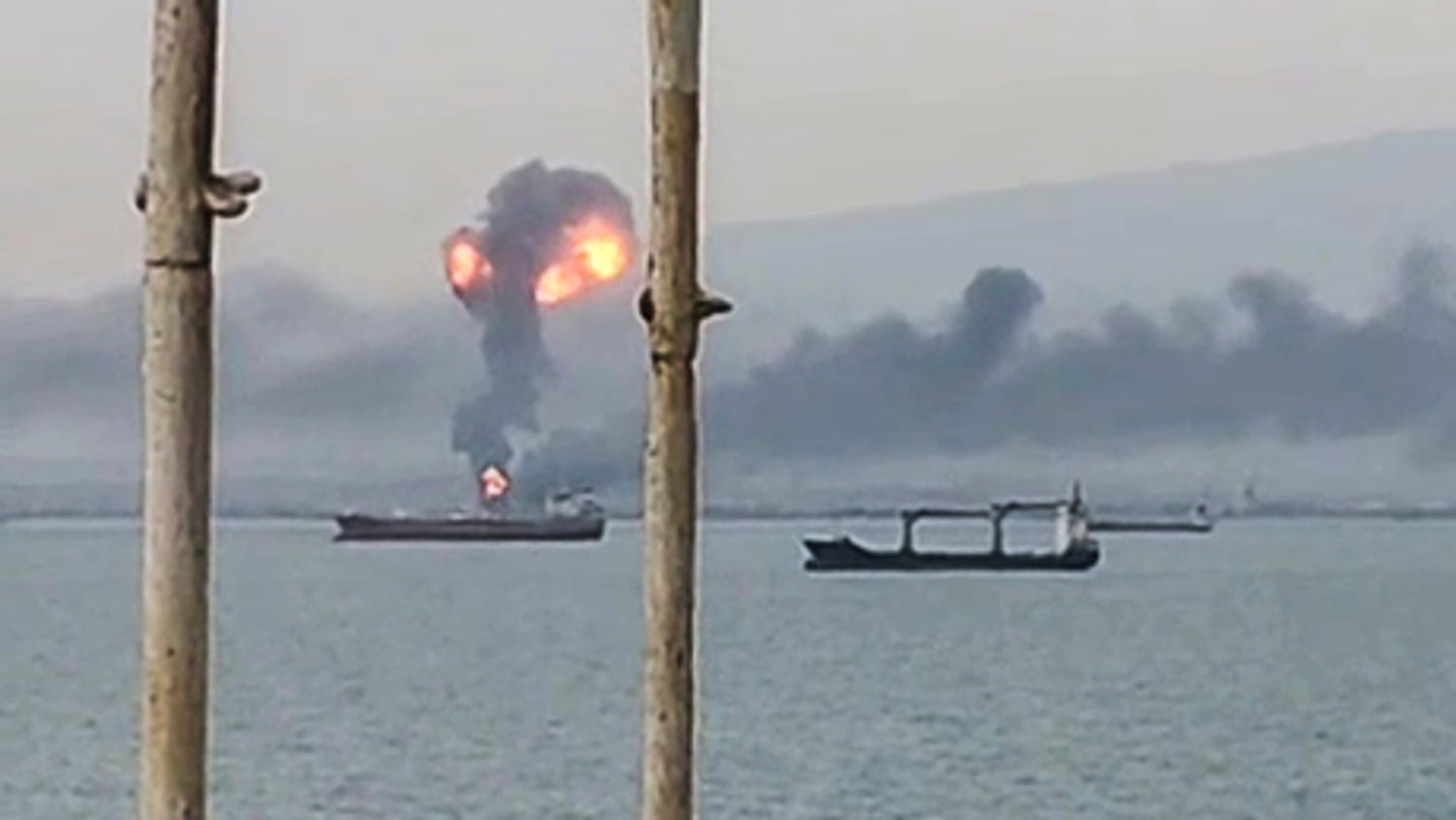
In February 2025, Chief Officer Ankit Goyal, 40, experienced a harrowing ordeal aboard the cargo vessel Manali as the Strait of Hormuz became the epicenter of a conflict between the United States and Iran. Stranded in the strategic passageway, Goyal and his 24-man crew, consisting of sailors from India, Bangladesh, and Vietnam, faced constant threats of being hit by US and Israeli missiles striking the Iranian coast and Iranian naval vessels off Bandar Abbas.
The fireballs, near misses, and distress calls that echoed throughout the strait for a month left the crew in a state of constant fear. Despite sending numerous distress messages, they were unable to leave the strait. The crew witnessed 17 ships destroyed and more than 30 attacks, with smoke filling the sky daily. Goyal described the experience as a "horror show" that left him and his crew traumatized, with many men suffering from panic attacks and uncontrollable crying.
The crew encountered numerous near misses, with Iranian naval vessels sailing close to international commercial vessels to seek cover from US strikes. One such incident involved an Iranian naval ship being close to a bulk carrier when it was hit by a fighter jet. Goyal recounted the first strike on February 28, which left them fearing for their lives as an Iranian naval ship was hit by a fighter jet before it was close to the Manali.
Managing a crew made up of experienced seafarers and young sailors on their first voyage proved to be a challenge, with all the men suffering from trauma. Goyal had to constantly reassure his crew that they would survive, even though there was nothing in their power to stop the relentless attacks. The crew also heard distress calls from other commercial vessels, including a Thai crew pleading for help as their ship was hit by a missile and sinking. The Oman Navy eventually rescued the Thai sailors.
Despite the grim situation, Goyal and his crew never lost hope, as they believed the US and Iran would not target commercial vessels. However, when they witnessed commercial ships being hit, they felt a deep sense of helplessness. The crew pleaded with authorities, embassies, and their owners for evacuation, but they knew that no one had control over the ongoing conflict.
In a desperate attempt to escape the danger zone, the crew received a route from the ship's owners through the strait and into UAE waters. The journey, which should have taken six hours, took an agonizing 14 hours as the ship hugged the coastlines of Iran and the UAE for safety. Finally, on April 3, the crew disembarked in Sharjah, marking the end of their 30-day nightmare.
Written by urgent.news from The National UAE's reporting — not their text. Machine-written — may contain errors; check the original before relying on it.