Federal inquiry hears of entrenched racism towards First Nations people
Aboriginal community-controlled organisations have told the federal racism inquiry that racial bias on the part of child protection workers and police is harming First Nations women and children.
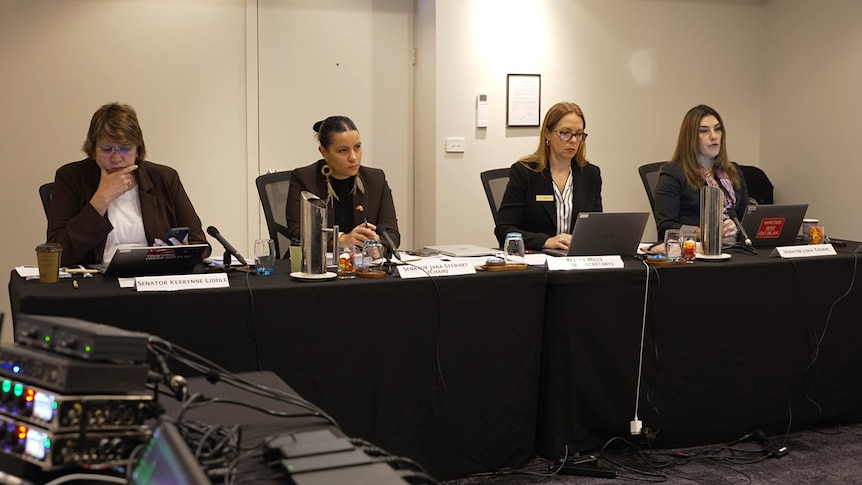
A federal racism inquiry has exposed entrenched prejudice against First Nations people, with Aboriginal community-controlled organisations revealing racial bias in child protection and policing continues to harm Aboriginal women and children. The three-month inquiry, set to conclude with a report by year-end, heard evidence of bullying for identifying as Aboriginal, community events under attack, and ignored domestic violence survivor needs.
Aborigines are increasingly fearful of publicly identifying as Aboriginal due to rising racism in sport, media, and social media. Aunty Muriel Bamblett from the Victorian Aboriginal Child and Community Agency highlighted the impact of social media abuse and lack of support for victims of family violence, fearing vilification online.
The 2023 Voice referendum reportedly caused harm to First Nations people, with public attacks on local events going unnoticed. Catherine Liddle from SNAICC emphasized that racism in public life perpetuates misconceptions about Aboriginal communities, misrepresenting them as problems needing solutions or blame. Nerita Waight from NATSILS reported instances of children being removed from their families due to historical family violence allegations, leading to a lack of stability, community, and cultural connection.
The inquiry also addressed the impact of racism on Aboriginal women's treatment by police, with many acts of violence going uninvestigated or dismissed. Darlene Thomas from Djirra stated that police often fail to take women's statements seriously or investigate family violence properly, often believing male perpetrators over Aboriginal women, a phenomenon known as racial targeting.
Coalition of Peaks lead convenor Donnella Mills called for First Nations people to be included in decision-making and for long-term funding of community-controlled services, as part of the National Closing the Gap Agreement. However, committee member Senator Lidia Thorpe dismissed the targets as an "absolute joke," with no faith from grassroots communities, as many targets are worsening nationally.
Written by urgent.news from ABC News AU's reporting — not their text. Machine-written — may contain errors; check the original before relying on it.