Engineers race to save stricken LINK rescue spacecraft before it's too late
The private LINK spacecraft, which launched last month to save a NASA space telescope, now needs saving, too —and teams are making progress on that front.
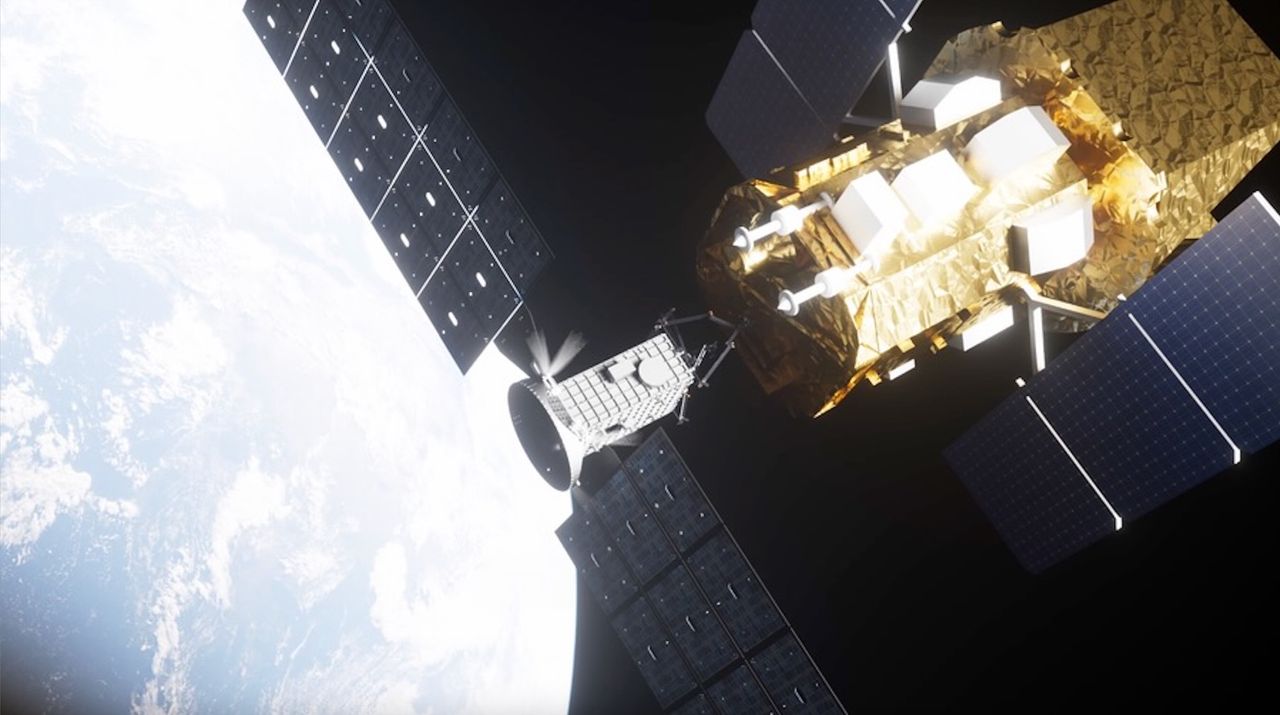
A private rescue spacecraft, named LINK, built and operated by Arizona-based Katalyst Space Technologies, is facing technical issues in Earth's orbit. Originally launched on July 3, the mission was to rendezvous with NASA's Swift space telescope to boost it to a higher orbit before it descends out of reach. However, about three weeks after the launch, LINK began rotating at an unusual speed, leading to intermittent communication issues and a reset of its satellite platform.
Moreover, two of LINK's three orientation-controlling reaction wheels ceased functioning. Given the urgency, mission operators are under pressure to resolve the problems, especially since time is of the essence. Swift's orbit is expected to drop to approximately 186 miles (300 kilometers) above Earth, which is considered the point of no return due to the lack of thrusters on the observatory.
NASA believes this boundary lies around this altitude, which Swift is anticipated to reach by October. Consequently, the original timeline for LINK to meet Swift in early August, shortly after launch, is no longer feasible. Nevertheless, the mission teams are not giving up on the rescue mission. In fact, they are making progress in stabilizing LINK.
According to a recent update from NASA, the spacecraft's spin rate has been reduced from 9 degrees per second to about 1.47 degrees per second, thanks to a series of burns from one of LINK's electric propulsion thrusters. Katalyst plans to maintain this spin rate while implementing new flight software updates with improved attitude controllers.
These upgrades are designed to help LINK maintain stability and commence maneuvers to align with Swift's orbit, with the updated software expected to be transmitted to LINK within the coming days.
Written by urgent.news from Space.com's reporting — not their text. Machine-written — may contain errors; check the original before relying on it.