Energy Affordability Trumps Climate in US Midterm Races
Elevated US gasoline and electricity prices are seeping into the upcoming midterm elections in November. Candidates are prioritizing consumer affordability over the environment, with Democrats linking gas price increases to President Trump’s foreign policy decisions. Meanwhile, a debate over data center expansion and consumer rate impacts are forcing candidates to address infrastructure…
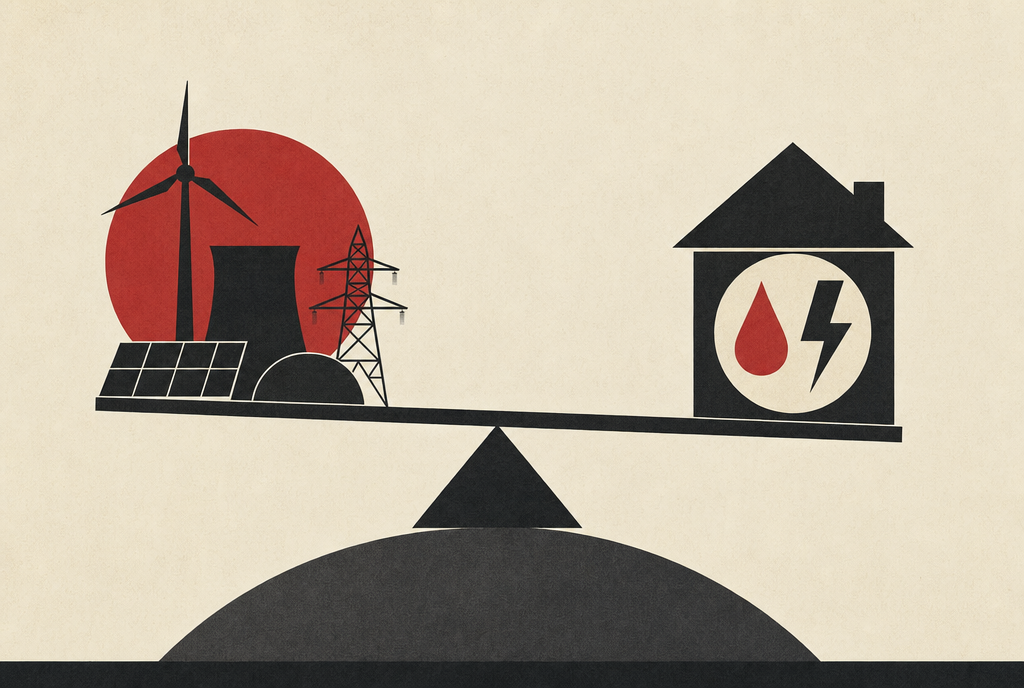
As the US midterm elections approach in November, a new focus on energy affordability is reshaping political campaigns across the nation. With gasoline and electricity prices surging, candidates are increasingly prioritizing consumer relief over environmental concerns. Democrats, in particular, have shifted their messaging to link gas price increases to President Trump's foreign policy decisions, while Republicans have sought to counter accusations by asserting that Alaskans benefit from higher energy production.
The rising costs of electricity have been driven by a variety of factors, including infrastructure improvements, extreme weather, environmental regulations, and the expanding development of data centers. Hawaii, California, and New York currently shoulder the highest electricity rates, with the national average standing at 18.70 cents per kilowatt-hour.
Notably, voters in states like Hawaii, California, and New York are less willing to pay higher prices for renewable energy, with 60%, 96%, and 55% of residents, respectively, citing cost as a significant issue.
The debate over data center expansion has also become a critical point of contention, with candidates weighing the economic benefits against the environmental impact and consumer rate implications. In Texas, 55% of voters oppose data center construction, despite the state proposing 32 gas-fired projects. In Maryland, two counties have imposed moratoriums on data center development, reflecting a growing push for stricter regulation.
Analysts predict that this shift in focus toward affordability will likely favor candidates who can demonstrate pragmatism and an all-of-the-above approach to energy development. Incumbent Democratic governors are embracing diverse fuel sources, including natural gas, nuclear power, and renewables, while Republican challengers have called for ending renewable portfolio standards and promoting gas, nuclear, and rooftop solar on a level playing field.
These developments highlight a significant departure from traditional party messaging, as both Democrats and Republicans grapple with the public's growing concerns over rising energy costs. The issue of data center energy consumption has emerged as a significant factor in shaping electoral strategies, with candidates in states like Texas, Florida, Virginia, and New Jersey drawing attention to the need for stricter regulation and accountability from tech companies.
As the nation heads into the midterm elections, energy affordability is quickly becoming the defining issue of the campaign season.
Written by urgent.news from OilPrice's reporting — not their text. Machine-written — may contain errors; check the original before relying on it.