Eco tourism-based livelihood opportunities, the only way forward for tiger conservation in Telangana, say experts
While the southern forests have emerged as a model of successful conservation, the northern landscape continues to grapple with tiger disappearances and poaching
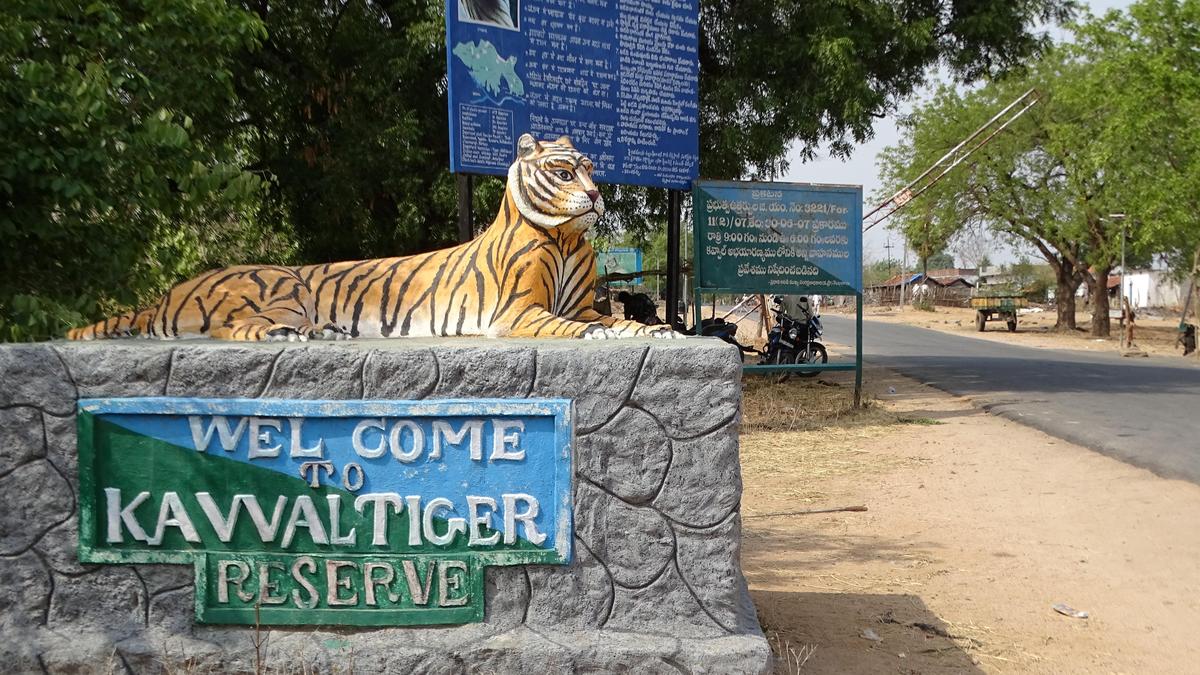
On the 11th International Tiger Day, contrasting tiger conservation stories emerged in Telangana, with the southern forests thriving and the northern landscape struggling. Experts attribute the difference to various factors, with the main reason being the differing socio-economic conditions and interactions of the local population.
In Amrabad Tiger Reserve, the Chenchu tribe's limited economic dependence on agriculture and minimal interaction with outsiders or political interests have led to a more harmonious relationship with conservation efforts. Conversely, northern Telangana, where agriculture is the primary source of income for the majority of the population and they have closer ties with non-forest dwellers, has witnessed frequent forest felling, violent confrontations with forest officials, and widespread poaching.
Experts believe promoting eco-tourism and creating economic opportunities for local communities through conservation-linked enterprises and responsible ecotourism could significantly improve tiger conservation in north Telangana. Forest officials assert that effective tiger conservation can only be achieved by integrating locals into the "Tiger Economy."
Written by urgent.news from The Hindu's reporting — not their text. Machine-written — may contain errors; check the original before relying on it.