Pressure on Moscow: US Senate approves law on Russia sanctions
There has been a long debate about this, now the US Senate has pushed through new sanctions against Russia. These are likely to hit two countries particularly hard, if the House of Representatives also agrees.
The US Senate has voted for a sanctions bill aimed at putting more pressure on Russia over the Ukraine war after a long stalemate. The senators voted with a clear majority of 86 to 11 votes for the bill, which was mainly driven by the recently deceased US Senator Lindsey Graham and still has to pass the House of Representatives. In addition to direct sanctions against Russian politicians and companies, it aims to further curb Russian oil and gas exports, which are central to financing the war of aggression against Ukraine.
Since the second congressional chamber, the House of Representatives, is already on vacation, it is unlikely to vote on it before September. The bill authorizes US President Donald Trump, among other things, to impose sanctions on the five largest buyers of Russian energy carriers - as well as the five countries that help Russia most to circumvent energy sanctions. This could further strain US trade relations with China and India, which are major purchasers of Russian crude oil.
Tariffs of up to 100 percent
Initially, the five largest buyers of Russian energy in the 12 months before the law comes into force are to be targeted. The tariffs can be up to 100 percent. The amount can be adjusted over time, depending on whether a country is trying to get rid of Russian oil and gas. The five largest importers are to be re-determined every 180 days.
So far, Trump has been hesitant to put pressure on Beijing over energy imports from Russia. He had temporarily imposed a 25 percent tariff on goods from India because of purchases of Russian oil.
Exceptions for natural gas
At the same time, there are to be exceptions for countries whose imports account for less than 15 percent of Russian natural gas exports in a 12-month period - and which take measures to reduce these purchases. "Our European allies are not affected here," emphasized Democratic Senator Richard Blumenthal in mid-July.
In its updated form, after the agreement between Republicans and Democrats in the Senate, the bill also sets the framework for an extension of sanctions against Iran until 2031.
Deceased senator as driving force
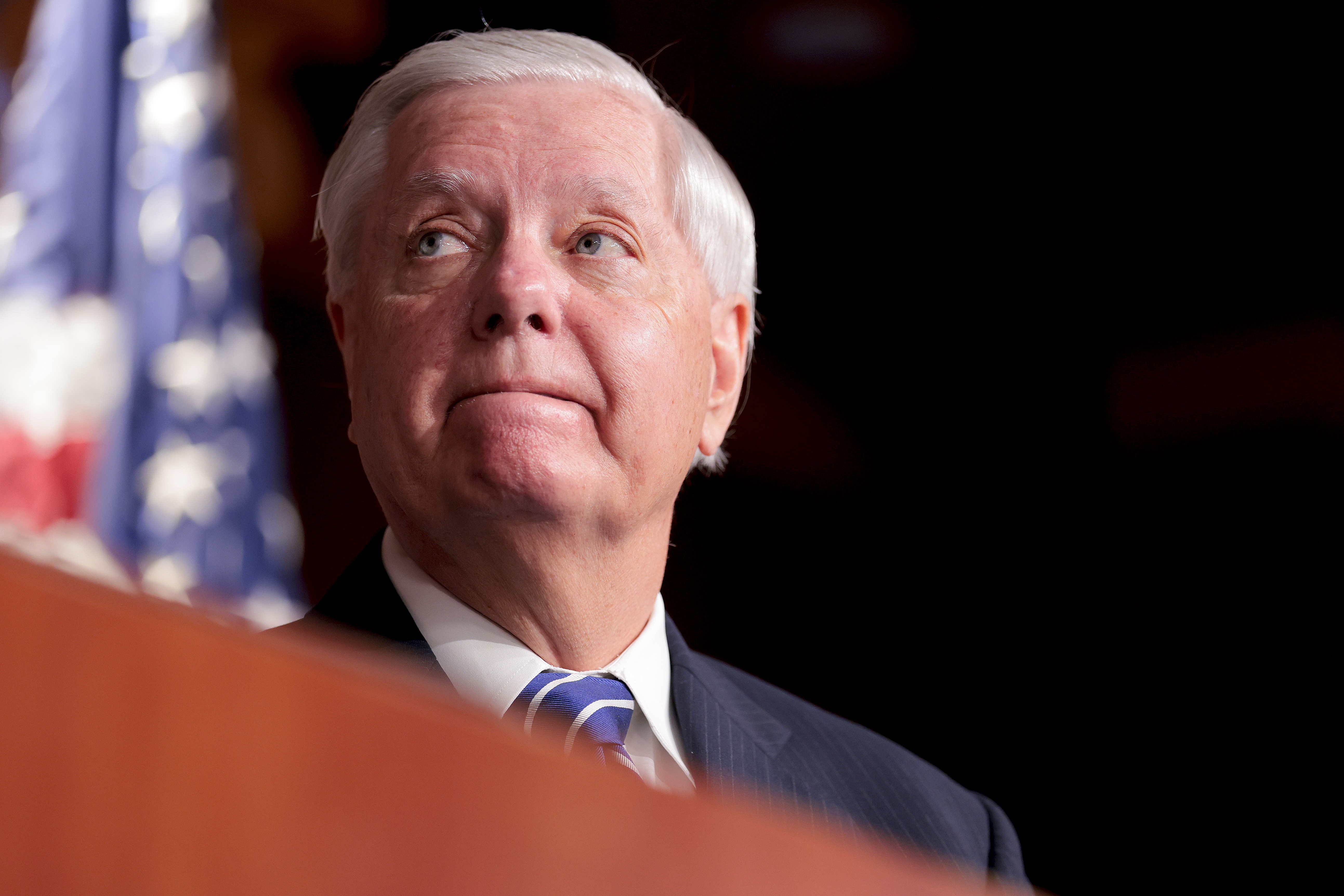
The bill, according to recent additions, bears the name of the recently deceased Senator and Trump confidant Lindsey Graham, who had already driven it forward last year. The project had been stuck in the Senate for a long time. After Graham's death, his colleagues in the congressional chamber pushed for rapid adoption.
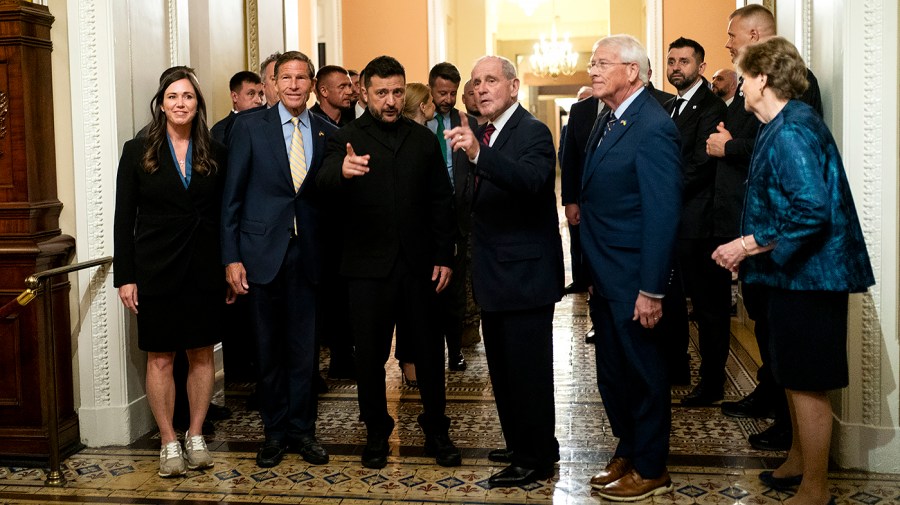
The agreement on the final text coincided with the visit of Ukrainian President Volodymyr Zelensky to Washington and the funeral services for Graham. Graham's Senate seat has since been filled by his sister Darline Graham, who, along with several Democratic senators such as Blumenthal, continued to advocate for the bill.
Trump, who is repeatedly criticized for not putting enough pressure on Russian President Vladimir Putin over his war, has already indicated support for the bill.
Democrat on message to Putin: "You will not conquer Ukraine"
Republican Senator Katie Britt said in the debate before the vote: "Today we stand together to show that we will turn off the tap of money to Putin." Her Democratic colleague Blumenthal emphasized which signal is to be sent to Russia: "Today we say to Vladimir Putin: You will not conquer Ukraine."
The US government had suspended sanctions on Russian oil deliveries in recent months to counter price increases on the world market. The increase was triggered by the shortage of supplies after the closure of the Strait of Hormuz as a result of the Iran war.
Translated by urgent.news. Machine-written — may contain errors; check the original before relying on it.