Decades after bottom trawling, Chilean seamounts remain degraded
The scars of bottom trawling are still visible on seamounts in Chile’s Juan Fernández Archipelago, even 25 years after the fishing practice took place in the area, according to a new study. In 2024, scientists from Chile and the U.S. used remotely operated vehicles aboard the Schmidt Ocean Institute’s research vessel R/V Falkor to survey […]
Decades after the practice ceased, Chilean seamounts in the Juan Fernández Archipelago display evidence of damage caused by bottom trawling, a study released in 2024 reveals. Researchers from Chile and the United States utilized remotely operated vehicles aboard the Schmidt Ocean Institute's research vessel R/V Falkor to examine four seamounts off the coast of Chile.
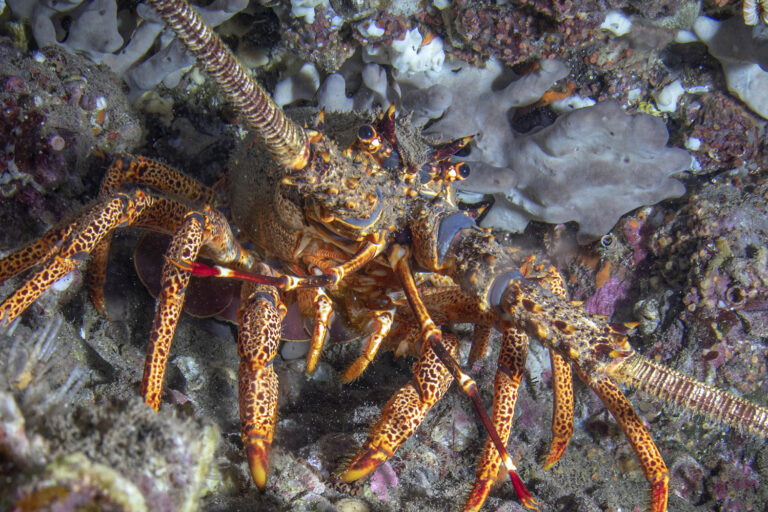
Three of these seamounts are situated within the Juan Fernández Archipelago, a volcanic island cluster renowned for its exceptional marine biodiversity, boasting an estimated 62% of reef fish species endemic to the region. Notable unique species include the Juan Fernández fur seal and the Juan Fernández rock lobster. The fourth site of investigation was Solito Seamount, positioned north of the archipelago and harboring comparable marine ecosystems.
Between the late 1990s and early 2000s, bottom trawling operations targeted the Juan Fernández seamounts, utilizing weighted nets to capture orange roughy and alfonsino, both slow-growing, deep-sea fish species. Following declines in fish stocks, these fisheries faced collapse and ceased bottom trawling activities. However, a subsequent study in 2015 found no trace of bottom trawling activity at Solito Seamount.
Twenty-five years after the trawling ceased, the new study published in July in Deep Sea Research indicates that the scars of this destructive fishing method persist on the seamounts, highlighting the long-lasting impact of this destructive fishing practice on marine ecosystems.
Written by urgent.news from Mongabay's reporting — not their text. Machine-written — may contain errors; check the original before relying on it.