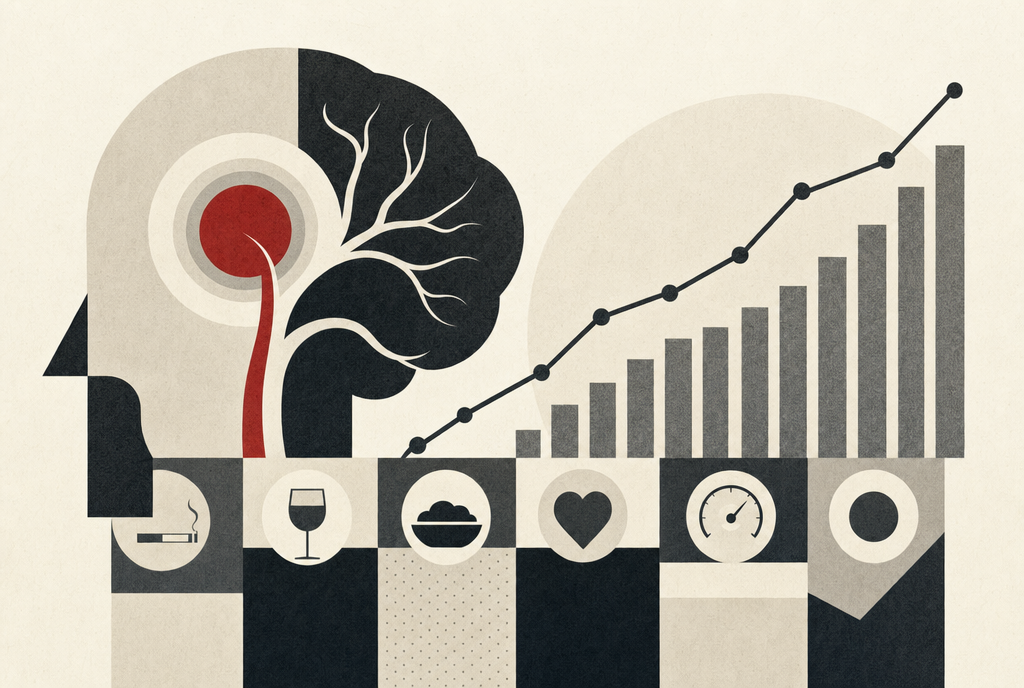
Dark personality traits linked to problematic social media use via jealousy and cyberstalking
A new study suggests that for people with dark personality traits, problematic social media use is often tied to relationship jealousy. For these individuals, compulsive scrolling frequently involves suspicious thoughts and cyberstalking their romantic partners.
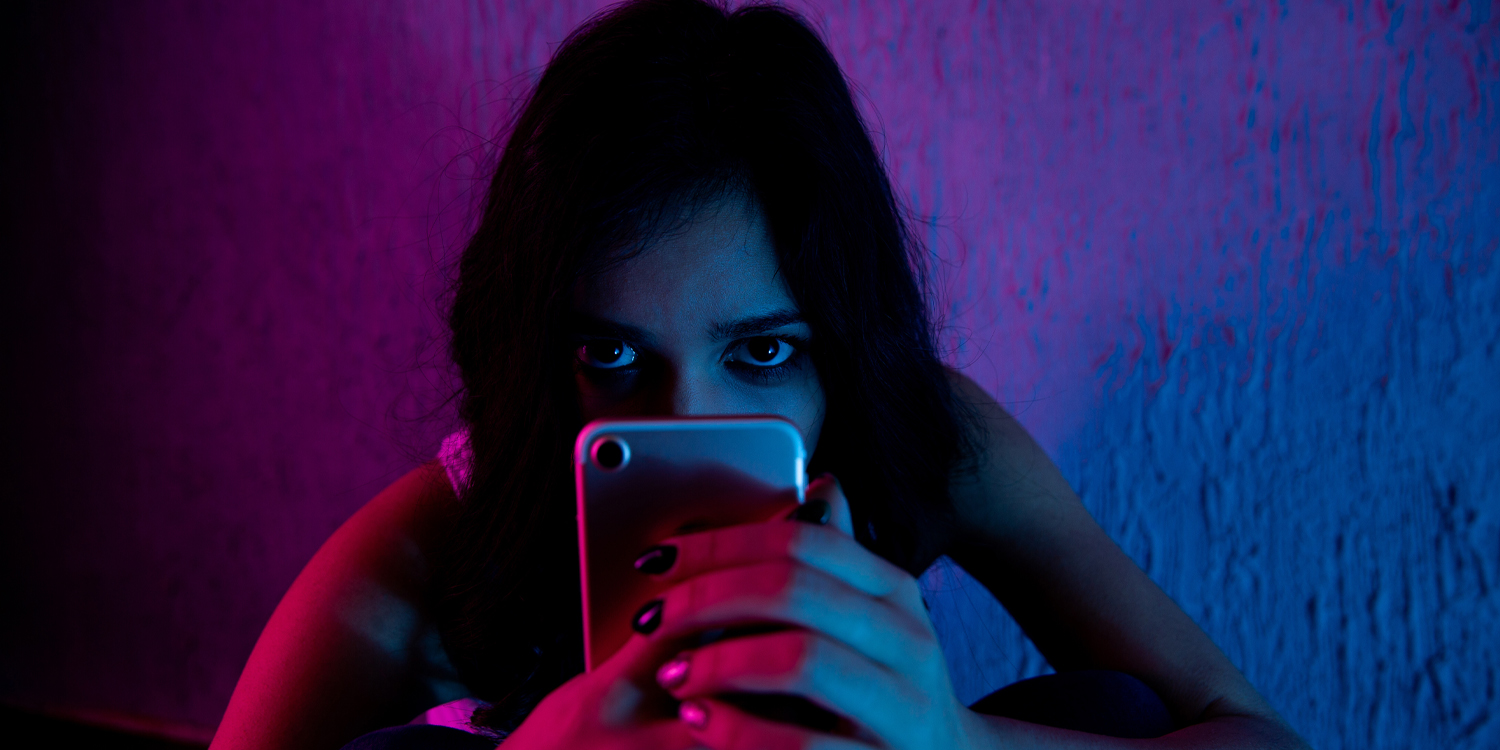
A study in Current Psychology reveals that people with antagonistic personality traits are more likely to develop problematic social media habits due to jealousy and monitoring their romantic partners online. Traits like narcissism and psychopathy contribute to relationship insecurity, leading to cyberstalking and further social media addiction.
Problematic social media use refers to compulsive digital engagement that interferes with daily life and mental well-being. Individuals often use platforms to regulate their mood and experience negative feelings when offline, while also facing interpersonal conflicts due to excessive screen time. The Dark Tetrad, a psychological framework grouping four malevolent personality traits, is linked to problematic social media use and cyberstalking.
Marco Giancola, a researcher at the University of L’Aquila, conducted the study to explore the connections between these traits and digital habits. He found that higher levels of traits such as Machiavellianism, psychopathy, narcissism, and sadism are associated with increased jealousy, both cognitive and behavioral. These forms of jealousy lead to intrusive suspicions and monitoring behaviors, which then result in cyberstalking.
Cyberstalking, in turn, predicts higher scores for problematic social media use. However, emotional jealousy does not play a significant role in this pathway. The study involved 300 adults aged 18 to 65, predominantly female, who were currently in romantic relationships and used social media daily. The findings highlight the importance of personality traits in shaping social media behavior and shed light on the psychological processes that contribute to problematic online habits.
Written by urgent.news from PsyPost's reporting — not their text. Machine-written — may contain errors; check the original before relying on it.