China’s Asian Affairs Reshuffle
The elevation of a former ambassador to Mongolia signals a shift in diplomatic execution – but the change can only go so far.
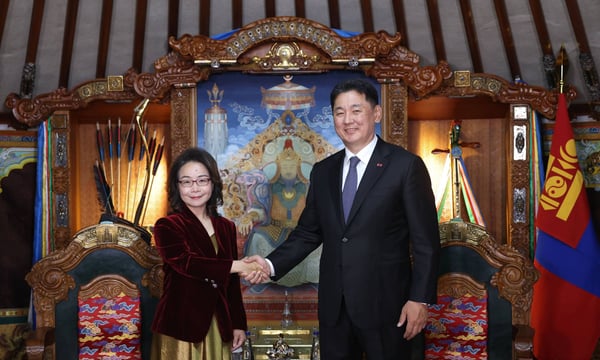
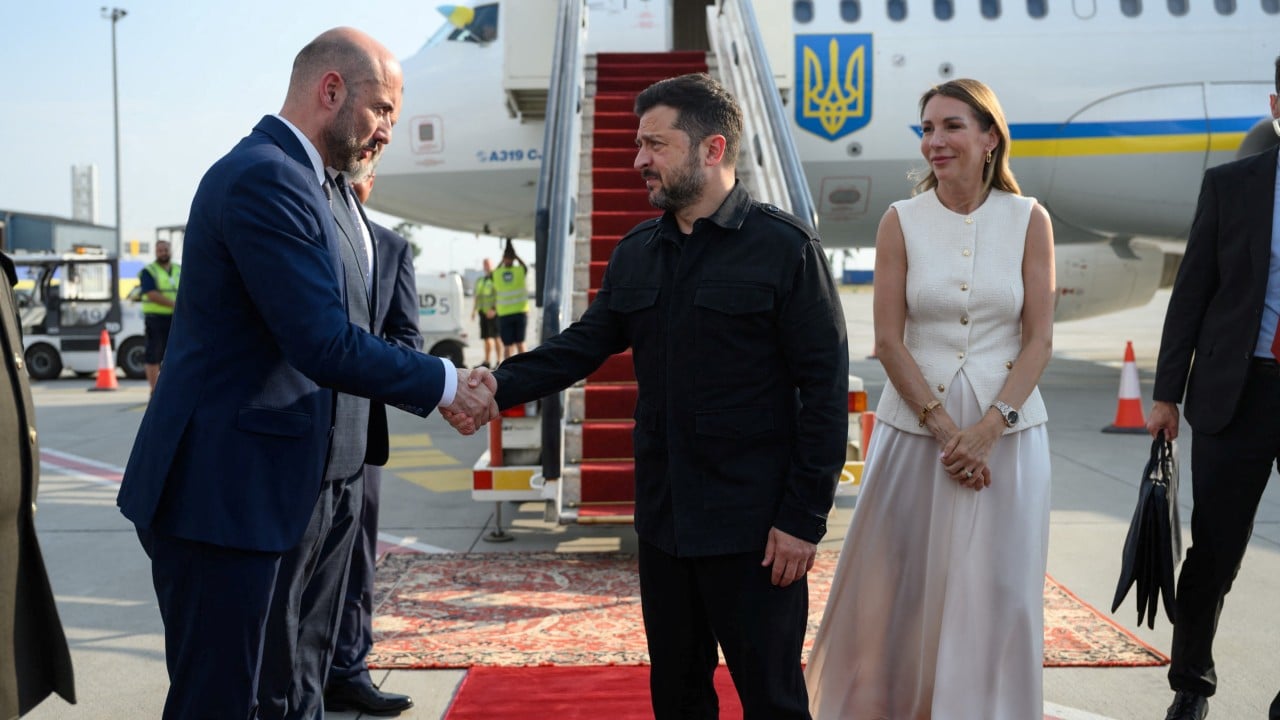
On July 21, President Khurelsukh Ukhnaa bestowed upon Shen Minjuan, China's ambassador to Mongolia since 2023, the country's highest honor for foreign nationals, the Order of the Polar Star. Just a week later, on July 29, China's Ministry of Foreign Affairs (MFA) announced that Shen had been promoted to the role of director-general of the Department of Asian Affairs, replacing Liu Jinsong.
This swift ascension carries significant symbolism. For Mongolian officials and analysts familiar with Shen's tenure, her promotion to one of China's most influential foreign policy positions is indicative of Beijing's strategic shift away from aggressive diplomacy towards a more measured, economically-focused approach.
From a regional perspective, this change makes perfect sense. The past five years of what has been dubbed "wolf warrior diplomacy" have not yielded the desired results. It has led to increased resistance from Southeast Asian states, strained relations with Western allies, and made it challenging for smaller nations to maintain balanced, pragmatic ties. Shen's experience in Mongolia, where she focused on pragmatic results rather than public posturing, suggests she understands this shifting dynamic.
Her departure in Ulaanbaatar will provide insight into the extent of this new approach. China has a history of alternating between assertive and cooperative diplomacy roughly every five to seven years, particularly in response to U.S. strategic moves. Liu Jinsong's tenure from 2021 to mid-2026 was marked by a tough, deterrence-oriented style that was popular domestically but alienated regional partners.
His handling of a diplomatic incident with Japan in November 2025 is a stark example of this approach, showing a deliberate display of dominance towards a foreign dignitary.
In contrast, Shen Minjuan brings a background steeped in economics and consensus-building. Her time as China's ambassador to Mongolia, where she prioritized deliverables like the delayed Gashuun Sukhait-Gants Mod railway and bilateral trade expansion, demonstrates her ability to navigate complex economic ties. This suggests that Beijing's new approach in the region may focus more on economic cooperation than direct confrontation, a strategy aimed at balancing its relationships with a mix of neighbors.
Written by urgent.news from The Diplomat's reporting — not their text. Machine-written — may contain errors; check the original before relying on it.