Catfish released in 1974 become Spain’s ecological time bomb
In 1974, German biologist Roland Lorkowsky introduced the Wels catfish to Spain's Ebro River, where they've since become a top predator, threatening native wildlife. Their large size and aggressive feeding present significant hurdles for conservationists trying to maintain balance. Worsening climate change conditions could facilitate their further invasion into European waters, leading experts to…
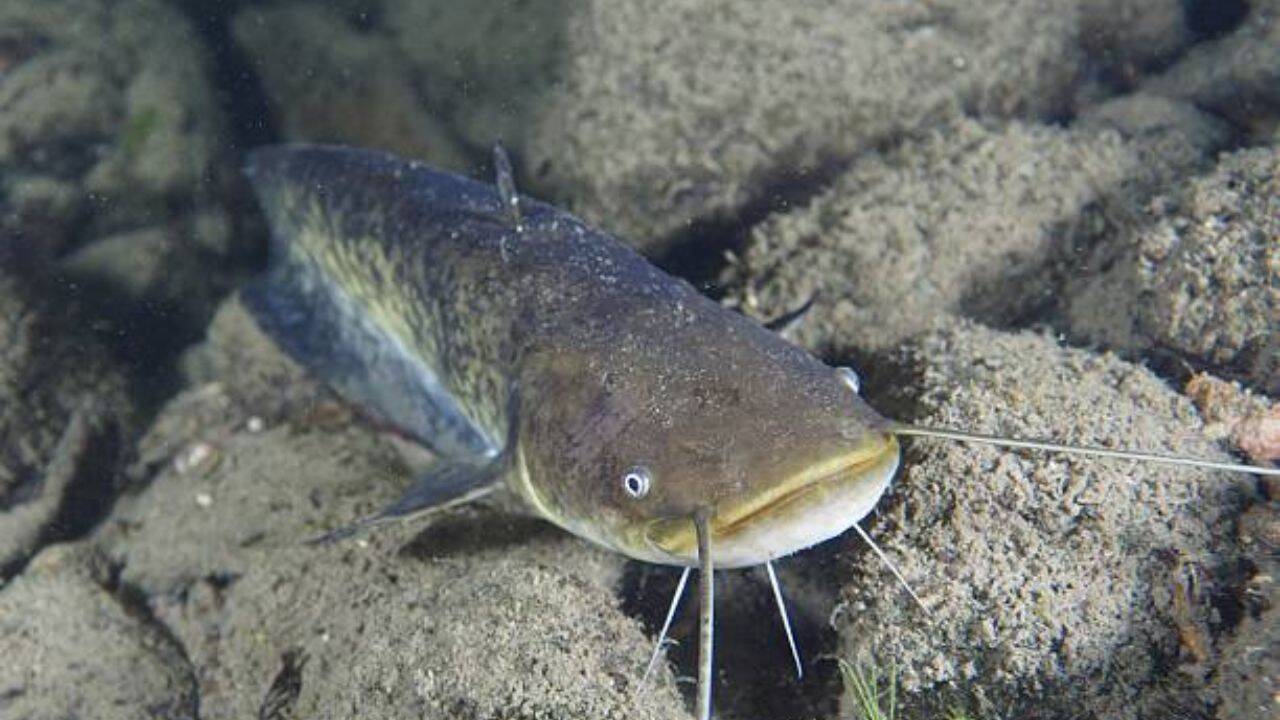
In 1974, German biologist and recreational fisherman Roland Lorkowsky introduced thousands of juvenile Wels catfish into Spain's Ebro River with the intention of creating a premier sport fishing destination. Unknown to him, this action would result in one of Spain's most significant ecological challenges.
Today, the Wels catfish, the largest freshwater fish native to Europe, has become a dominant predator in many Spanish waterways. Despite its massive size, growing over 8 feet in length, adult Wels catfish consume a significant portion of their body weight daily. These fish feed on a variety of species, causing them threat to endangered and commercially important migratory fish, including Allis shad and Atlantic salmon.
Wildlife managers consider the spread of Wels catfish in Spain virtually irreversible, as the species has established self-sustaining populations in numerous rivers and reservoirs. Carlos Fernández Delgado, a zoology professor at the University of Córdoba, warns that these invasive fish pose an "ecological time bomb" to native freshwater ecosystems, as the predators did not evolve alongside a predator of such immense size.
Although Spanish law prohibits the release or transportation of Wels catfish, experts assert that complete eradication is no longer feasible. The enormous size, rapid reproduction, and complex river systems make complete removal almost impossible. Despite this, the Wels catfish continues to dominate waters it was never intended to inhabit, with climate change potentially exacerbating the issue by creating more favorable conditions for its spread.
Written by urgent.news from Times of India's reporting — not their text. Machine-written — may contain errors; check the original before relying on it.