Anker just exposed a big problem with portable power stations
Two portable power stations can have the same battery capacity and still last very different amounts of time. Anker SOLIX thinks it has the numbers to explain why.
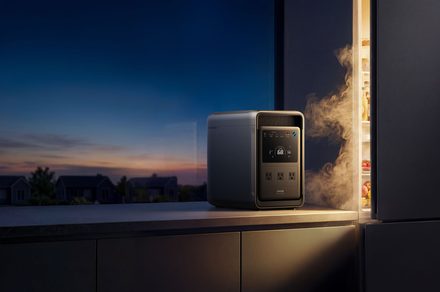
Anker has unveiled a significant issue with portable power stations, shedding light on a critical factor that often goes unnoticed: efficiency. While battery capacity is frequently emphasized, Anker's new data reveals that the actual amount of energy reaching connected devices can be substantially lower. Their S Series portable power stations, for instance, display efficiency figures of 88% at a light 100W load and 96% at 400W, while competitors typically fall below 80% at 100W and hover around 89% at 400W.
Under typical use during an outage, discharge efficiency can drop to a less impressive 70% to 80%. This means a considerable portion of the stored energy can be lost through conversion losses and the station's own energy consumption before it powers devices like a fridge, router, or CPAP machine. Anker's OptiSave 2.0 technology aims to mitigate these losses by dynamically adjusting the inverter's operation based on the connected device's power demand.
The company's efforts have been recognized with the T&U→S&U→D's A+ energy-efficiency certification under its relevant 2026 portable-power standard. By publishing efficiency across different loads, Anker hopes to provide consumers with a more accurate comparison of portable power stations, moving beyond the simplistic notion that a larger battery capacity equates to better performance.
In the end, the takeaway is clear: the true value of a portable power station lies in its ability to efficiently deliver power when needed, rather than solely relying on its advertised battery capacity.
Written by urgent.news from Digital Trends's reporting — not their text. Machine-written — may contain errors; check the original before relying on it.