AI Model Invents Completely New Viruses Unknown to Nature
What could possibly go wrong? The post AI Model Invents Completely New Viruses Unknown to Nature appeared first on Futurism .
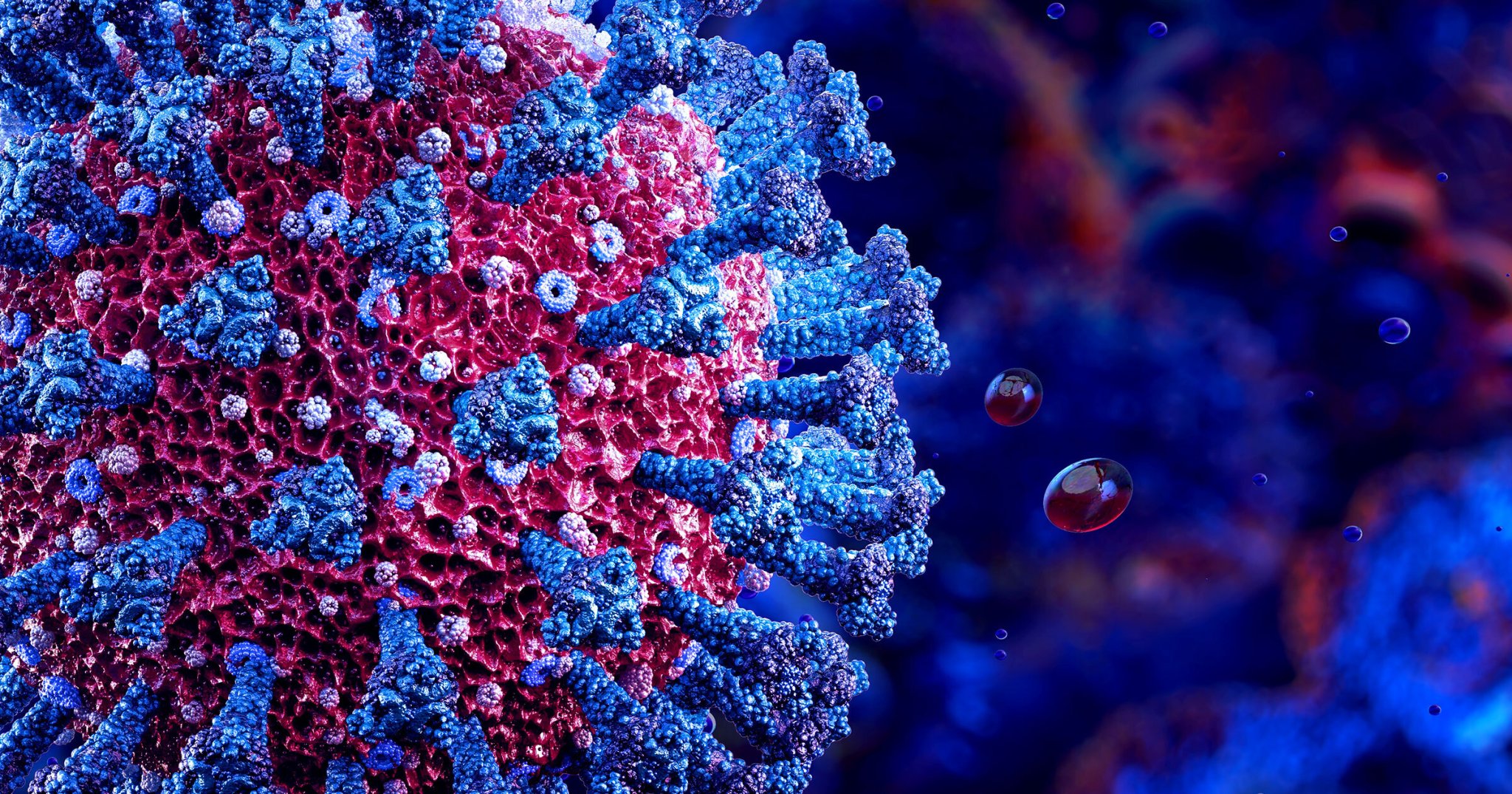
Scientists have for the first time employed an artificial intelligence model to craft novel and viable viruses, previously unknown to nature, according to a study published in the journal Science. The research, which first gained attention last year, involved generating 700,000 potential viruses based on the Phi X-174 bacteriophage, a well-studied virus that targets E. coli.
After narrowing down the candidates, researchers successfully recreated 16 viable viruses that effectively infected and killed their bacterial hosts. Patrick Cai, a synthetic biologist, remarked on this milestone, acknowledging the power of AI but also expressing concerns over the potential misuse of the technology. The study's authors at Stanford University and the Arc Institute trained their AI model, named Evo, on billions of genetic sequences, including millions of bacteriophage genomes, to recognize patterns in genetic structure.
Although the AI model functions similarly to a large language model, predicting DNA building blocks like a chatbot generates words, it is still tailored to this specific genetic task. Tom Ellis, a professor of synthetic genome engineering, expressed that while the threat of AI-generated pathogens is concerning, it would still be more practical for malicious actors to modify existing pathogens using gain-of-function techniques.
The research highlights the potential benefits of AI in creating bacteria-slaying viruses, but also underscores the urgent need for robust biosafety and biosecurity measures to prevent potential abuse of this technology.
Written by urgent.news from Futurism's reporting — not their text. Machine-written — may contain errors; check the original before relying on it.