Agents can generate results — but on what authority do we accept delivery?
30-Second Overview MCP connects agents to tools. A2A connects agents to agents. AgentTeams orchestrates agent collaboration. But when an agent says "I'm done," no existing layer answers: What authorization backs this work? Did every step stay within scope and quota? Do tests, patches, and reports form a complete causal chain? Who has the authority to accept or reject the outcome? In a dispute,…
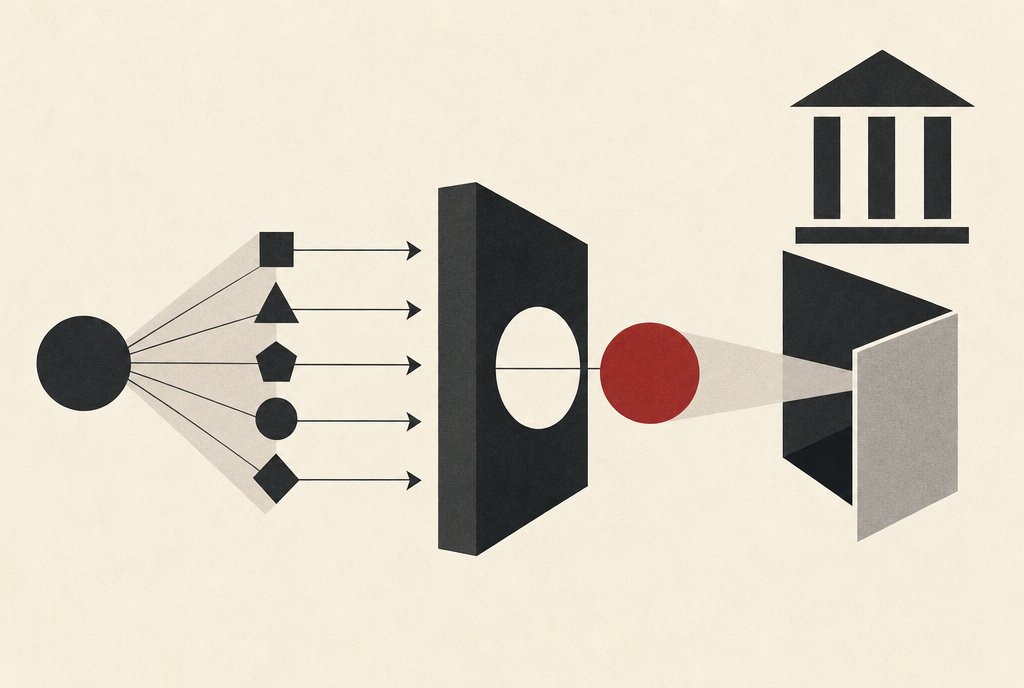
OpenWorkProof addresses a crucial gap in multi-agent systems: providing a mechanism to verify the authorization, constraints, and verifiability of an agent's work. When an agent completes a task, existing layers fail to answer key questions: what authority backs the work, did all steps stay within scope and quota, and can the outcome be verified independently? OpenWorkProof fills this gap by offering contracts, authorization, evidence, and acceptance for agent work.
The need for OpenWorkProof is driven by market trends and regulatory requirements. Gartner predicts that 40% of enterprise software will embed AI agents by the end of 2026, up from 5% in 2025. The EU AI Act's high-risk provisions require proof that agents are authorized, constrained, and auditable. Additionally, over $65 million was raised in H1 2026 for agent trust infrastructure projects, highlighting the market's growing interest in this area.
OpenWorkProof offers several key features. Agent platform and framework builders can ensure that each call to a tool is pre-authenticated with a machine-checkable authorization evidence. Enterprise IT and compliance teams can provide complete signed authorization chains, track quotas, and enable offline third-party verification for audit requirements.
Delivery reviewers and acceptors can replay the causal link between tests, patches, and reports, creating a reproducible evidence chain. Dispute arbitrators can verify facts offline using a five-input offline verifier that only needs the evidence bundle and public keys.
The primary bottleneck for multi-agent systems is not model capability, but accountability, authority, evidence, and acceptance. Without these, agents can generate results, but they cannot become delegatable, auditable, or billable production actors. OpenWorkProof aims to provide the necessary framework to address these concerns. By ensuring that actions carry machine-checkable authorization and result evidence, OpenWorkProof promotes trust and reliability in multi-agent systems.
In conclusion, OpenWorkProof is a critical component in the development of multi-agent systems, bridging the gap between agent performance and accountability. As the market for AI agents continues to grow and regulatory requirements become more stringent, solutions like OpenWorkProof will become increasingly important in ensuring the trustworthiness and verifiability of these systems.
Written by urgent.news from Dev.to's reporting — not their text. Machine-written — may contain errors; check the original before relying on it.