A freebie that frees women | Odisha's Subhadra Yojana
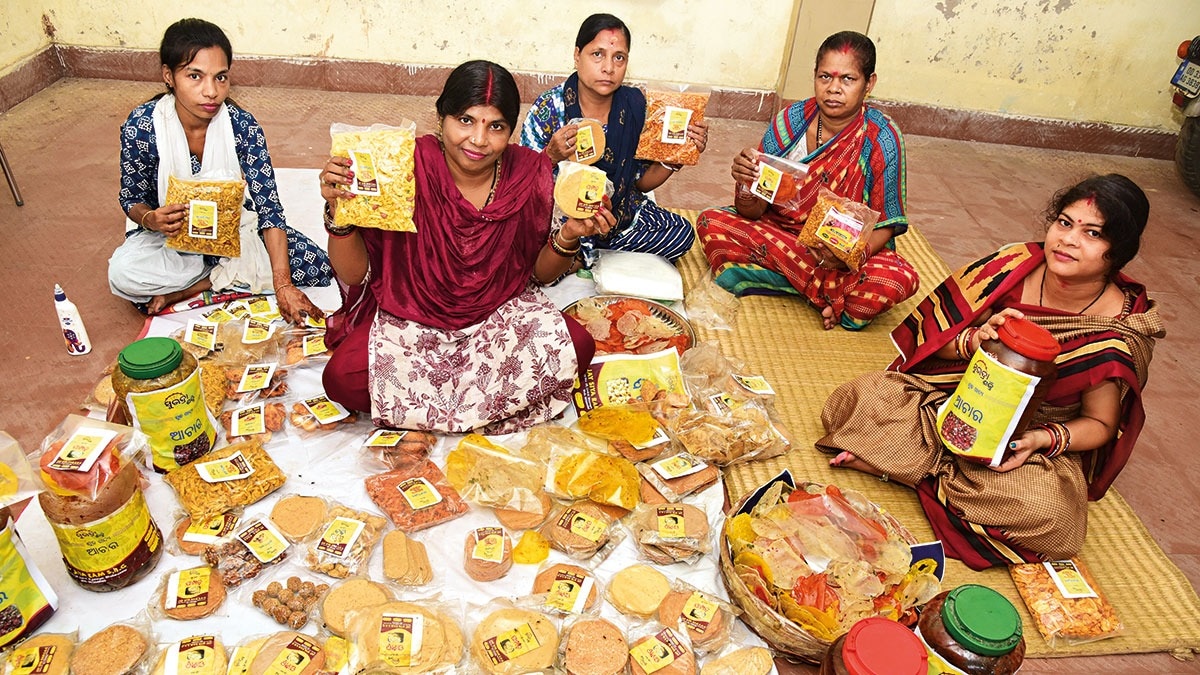
In September 2024, Odisha launched the Subhadra Yojana, a program providing eligible women aged between 21 and 60 with Rs 10,000 every year for five years. This initiative aims to help women create livelihoods and financial autonomy, covering over 10.2 million beneficiaries and disbursing more than Rs 20,648 crore since its launch.
A near-ubiquitous feature of state budgets, direct cash transfers to women have gained support across various political parties, swelling women voters and diverting them from traditional class-based political choices. However, the impact of such schemes has been largely analyzed at the fiscal level, without considering the individual and family-level effects.
The Subhadra Yojana has undergone two impact assessments, one by the Indian Institute of Management (IIM) Sambalpur and another by SBI Research, shedding light on the scheme's achievements, shortcomings, and future directions. A ground visit by india today provided firsthand evidence of how the scheme has empowered many women. Namita Mishra, a 43-year-old woman, had left her private sector job upon maternity ten years ago.
With her husband being a private school teacher, money was often tight. After receiving Subhadra, she purchased a sewing machine, a wet grinder, and began producing homemade spices. She now sends her daughter to an English-medium school, fearing she would have to quit if she did not earn. Another beneficiary, Bangali Barda, also used Subhadra funds to fund her dreams.
These impact assessments broadly endorse the positive changes brought about by the Subhadra Yojana. The IIM study, known as Subhadra Samikhya, surveyed 22,000 beneficiaries across Odisha. The findings reveal that 64% of the women take financial decisions independently, 31% make decisions jointly with family members, and 87% describe the program as "very useful."
However, the study also reveals that only 25.52% of Subhadra spending goes towards setting up businesses, with Dalit beneficiaries leading in this regard. The report identifies a "empowerment paradox," where women may hold formal financial agency, but their spending decisions are often influenced by family needs rather than personal aspirations.
The IIM report calls for a smarter approach, integrating digital literacy, skill development, zero-interest loans, financial counselling, and peer mentoring to ensure the scheme's effects evolve and spread over time. SBI Research's study, based on banking data of over 160,000 women, validates these findings. Comparing the transactions of Subhadra beneficiaries with non-beneficiaries from similar income groups, it shows that beneficiaries recorded an average increase of Rs 6,887 in month-end account balances, a 45% rise over comparable non-beneficiaries.
Consumption increased by nearly 28%, with the benefits being most pronounced among women aged 30 to 44. Interestingly, women with little or no formal schooling registered the sharpest increase in savings—almost 73%.
Written by urgent.news from India Today's reporting — not their text. Machine-written — may contain errors; check the original before relying on it.