150 years of the Indian Association for the Cultivation of Science
The IACS has cultivated a legacy of intellectual curiosity, scientific excellence, and national service that continues to inspire generations of researchers, Shekhar Mande writes
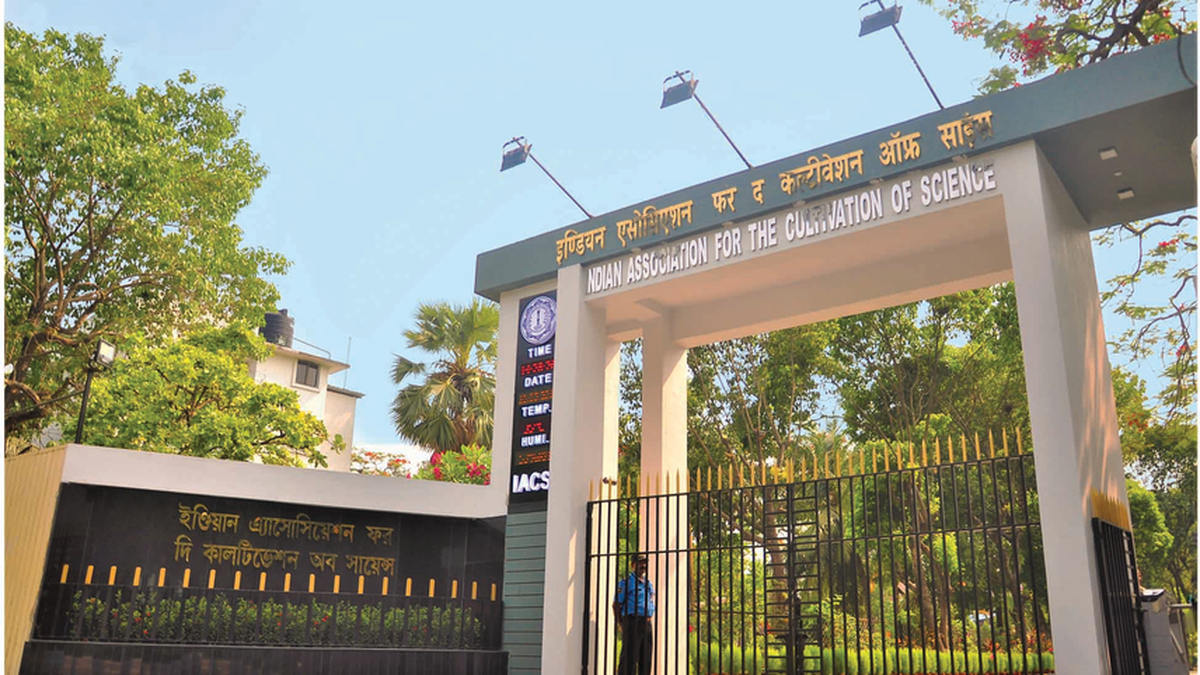
The late 18th and 19th centuries witnessed an intellectual and cultural awakening in India, with Bengal emerging as its focal point. Known as the Bengal Renaissance, this movement not only transformed Bengal but also profoundly influenced the intellectual, social, and cultural evolution of modern India. It fostered advancements across various disciplines, including philosophy, spirituality, literature, arts, education, social reform, and natural sciences.
Mahendralal Sircar (1833-1904) was one of the most influential figures of this period. He recognized the need for scientific education and established the Indian Association for the Cultivation of Science (IACS) in 1876, the country's first national institution dedicated to scientific research by Indians. C.V. Raman, a renowned scientist, joined IACS in 1907 and conducted groundbreaking research, leading to the discovery of the Raman effect in 1928 and earning him the Nobel Prize in physics in 1930, becoming the first Asian scientist to win this prestigious award.
Written by urgent.news from The Hindu's reporting — not their text. Machine-written — may contain errors; check the original before relying on it.