13 times the size of Zhejiang: China deploys drones, AI as Typhoon Dolphin nears coast
Ferry routes have been suspended, construction halted, fishermen evacuated and drones deployed to patrol over the sea as China’s coastal provinces prepare for the landfall of Typhoon Dolphin, the fourth typhoon to reach the country this summer. By Friday morning, the typhoon was about 820km from China’s east coast and was expected to land from Sunday afternoon to Monday morning somewhere between…
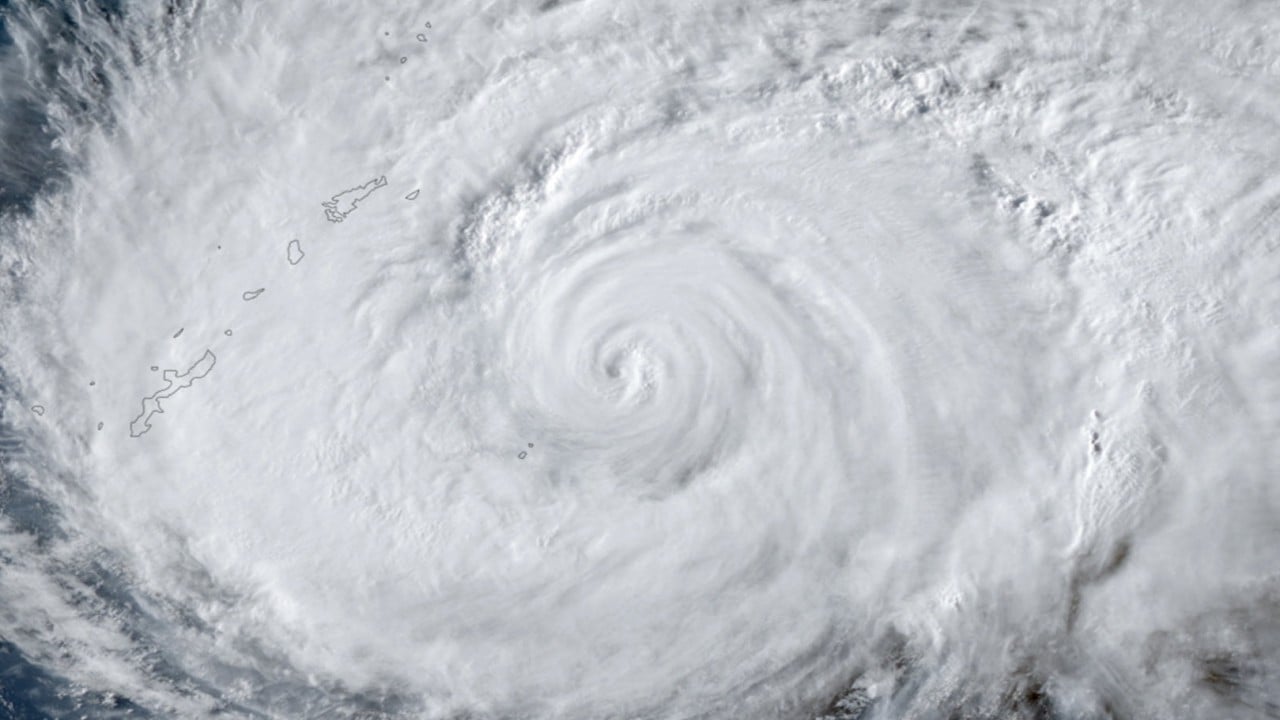
As Typhoon Dolphin, the fourth typhoon to strike China this summer, nears the country's eastern coast, authorities are mobilizing advanced technology to prepare for its impact. The storm is reported to be 13 times larger than Zhejiang province, the National Meteorological Centre announced, with its size potentially growing even further.
The typhoon, currently 820km from the coast, is expected to make landfall between Sunday afternoon and Monday morning, with the National Meteorological Centre maintaining a yellow alert, signaling strong winds and heavy rain.
Chinese officials have implemented emergency measures in response to the approaching typhoon. In Zhejiang, a level 2 emergency response has been activated, resulting in the suspension of 162 ferry routes, halting 193 construction projects, and docking 474 ships. Meanwhile, the coastal city of Ningbo has temporarily halted all seaside activities.
In Fujian, a level 4 emergency response has been initiated, urging all cities to secure fishing boats, ferries, and offshore wind power platforms, while also evacuating residents and preparing emergency supplies.
To predict the typhoon's path, strength, and landfall, the National Marine Environmental Forecasting Centre has deployed an artificial intelligence forecasting system. This advanced technology will provide predictions for the next 240 hours. Despite the typhoon's large wind radius, authorities warn that inland regions should also remain vigilant, as multiple provinces, including Zhejiang, Fujian, Jiangxi, Hunan, Hubei, Anhui, Jiangsu, Henan, and Shandong, could experience heavy rainfall. Citizens are advised to check for flash flood alerts and take necessary precautions.
The typhoon's effects could be particularly severe for Shanghai if it lands in northern Zhejiang and moves northwest. Meteorologists caution that residents across China must remain alert for extreme weather conditions in August, especially in the context of a strong El Nino event that is predicted to occur. This month, China has already seen typhoons Maysak, Bavi, and Noul, which together caused at least 50 fatalities and an estimated economic loss of 23 billion yuan (US$3.4 billion).
Written by urgent.news from South China Morning Post's reporting — not their text. Machine-written — may contain errors; check the original before relying on it.