Your smartphone is changing your body. Doctors say most people don’t know it’s happening
Ask most people what their phone is costing them , and they’ll point to their attention or sleep . But research suggests the cost may also be physical. Doctors are now using the informal term “phone body” to describe changes that follow years of hunching, squinting, and scrolling. On average, Americans spend about seven hours a day looking at screens, according to DataReportal . It’s a norm the…
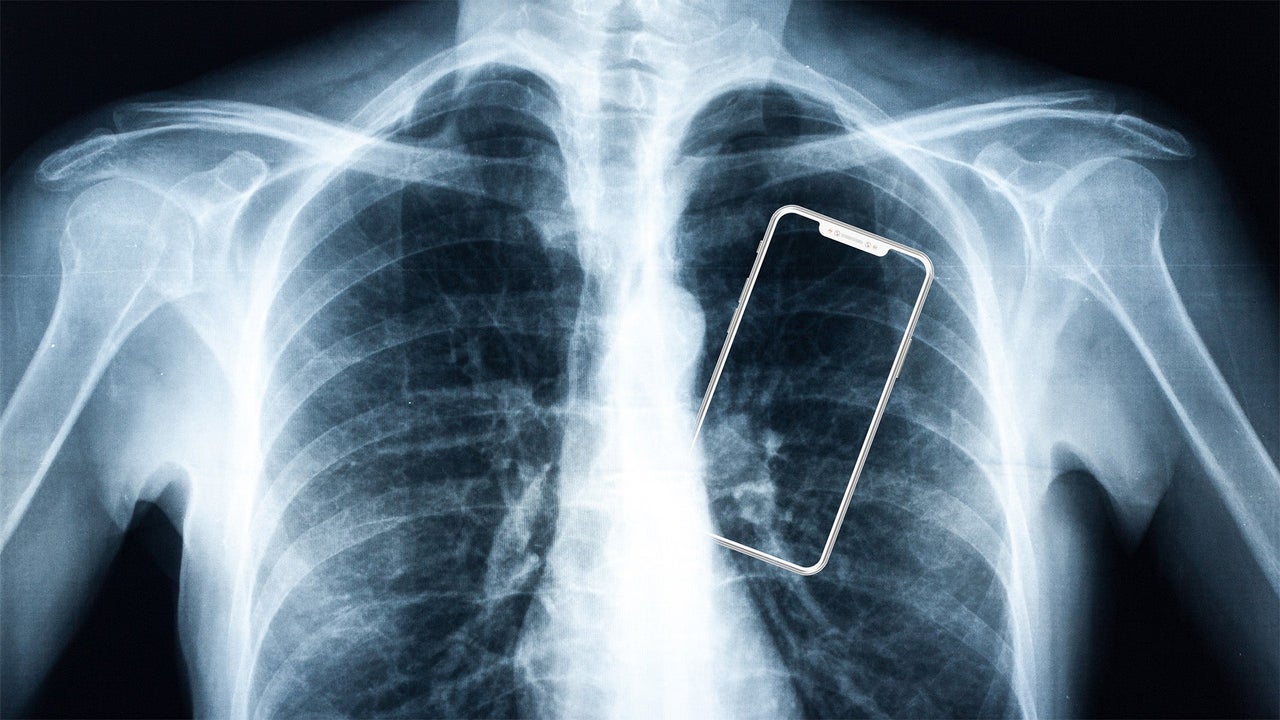
Most individuals are unaware of the physical impact their smartphones have on their bodies. Doctors are employing the term "phone body" to describe the changes that arise from years of hunching, squinting, and scrolling. On average, Americans spend around seven hours daily on screens. This prolonged screen time causes various issues, which are largely preventable but seldom reversible on their own.
Tech neck, a term coined to describe the strain on the neck muscles from constantly tilting the head downward to view screens, is one of the most noticeable symptoms. Cervical spine surgeon K. Daniel Riew observes that younger patients, typically in their 20s, are increasingly seeking his help for this issue. The problem arises when people fail to reposition their necks properly, leading to premature cell death and accelerated degeneration in the cervical disc.
This poses a significant challenge, as once enough cells have died, there is no reversing the damage.
In addition to tech neck, smartphones have also been linked to a rise in myopia among children. Donald Mutti, a vision scientist, attributes this to prolonged screen time keeping children indoors, thereby reducing their exposure to natural light, which is crucial for eye health. Research using smartwatch data supports the theory that outdoor time can protect children from developing myopia, with two hours of outdoor activity daily providing the maximum protection.
Lastly, grip strength, an indicator of overall health and longevity, has been declining among the general population. Johannes Beller, a medical sociologist, suggests that this decline is not a result of smartphones but rather a broader shift in lifestyle and work habits. While grip strength is valuable for reflecting overall health, it is not solely the result of hand use.
Written by urgent.news from Fast Company's reporting — not their text. Machine-written — may contain errors; check the original before relying on it.