Why smartphone makers stopped using removable batteries, and why they're making a comeback
Changes are on the horizon. Soon, we'll be seeing more phones with batteries that the user can remove and replace.
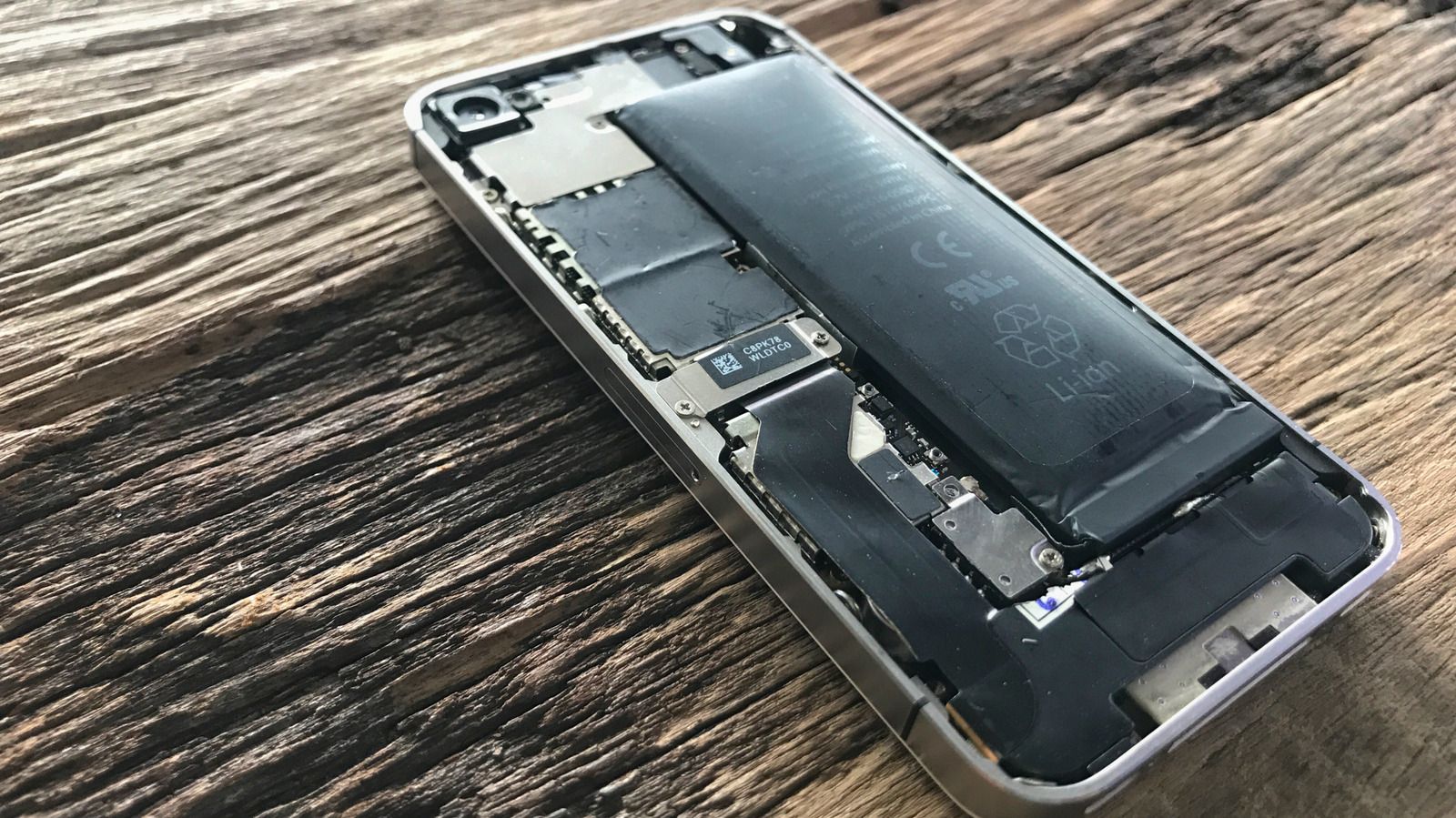
The practice of incorporating removable batteries in smartphones has gradually transitioned from the mainstream to near-obsolete status. This shift is attributed to several factors, including consumer preference for thinner designs, the use of premium materials, and the desire for water and dust resistance. Notably, a few models, such as the Samsung Galaxy XCover 7 Pro and the Fairphone 6, still offer easily replaceable batteries, primarily due to their rugged designs and purpose-built components.
A significant development on the horizon is the imminent implementation of a European Union regulation that mandates the sale of phones and tablets with removable batteries within the bloc. This regulation, which has been in the works for years, aims to extend device lifespans, reduce electronic waste, and facilitate the recovery of essential materials like lithium and cobalt from decommissioned batteries.
While adherence to this law may primarily impact devices sold in the EU, other regions could potentially benefit from the adoption of a more universal design.
The regulation stipulates that a battery can be considered removable by end-users if it can be accessed using commercially available tools, such as screwdrivers, without the need for specialized equipment or hazardous chemicals. Exceptions exist for certain models that have been vetted by regulatory standards, including a minimum battery health of 80 percent after 1,000 charge cycles and an IP67 water resistance rating.
Apple's recent trend toward USB-C ports, driven by EU standards, may also influence the design of future smartphones. Despite these changes, it's anticipated that removable batteries will become less common in high-end devices but may persist in rugged and budget-oriented models.
Written by urgent.news from Engadget's reporting — not their text. Machine-written — may contain errors; check the original before relying on it.