Why DRC's Ebola outbreak is spreading faster than before
The Ebola epidemic in Democratic Republic of Congo is on track to surpass 4,000 cases this week and has been described as the fastest spreading on record since it was officially declared in May.
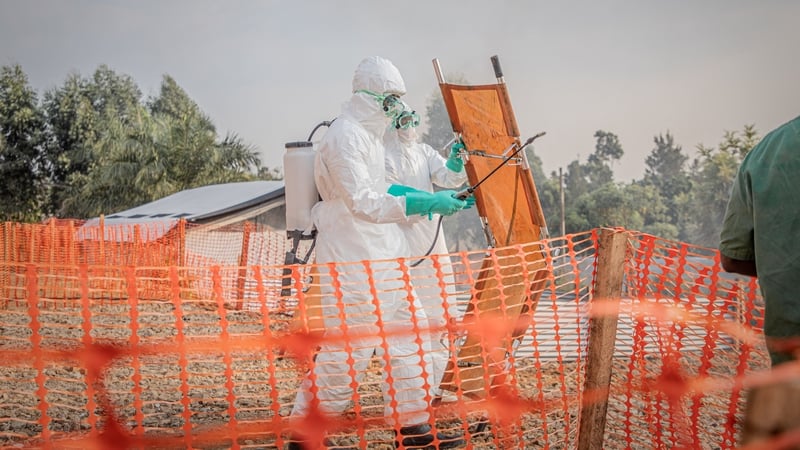
The Ebola outbreak in the Democratic Republic of Congo (DRC) is rapidly expanding, with case numbers projected to exceed 4,000 this week. This current spread is described as the most rapid on record since the virus was first identified in May. To date, the World Health Organization (WHO) has documented over 28,000 cases and 11,000 deaths during the 2014-16 West Africa epidemic, making it the deadliest in history.
The DRC outbreak is now spreading five times faster than previous outbreaks at this stage, according to health officials. The Bundibugyo species of the virus, which is responsible for this outbreak, went undetected for months, allowing it to spread unchecked. Local funeral practices and delayed detection of early cases, some misdiagnosed as peritonitis, have contributed to the rapid transmission.
Furthermore, health workers initially used tests for the wrong species of Ebola and mishandled samples, further delaying containment efforts. A July report in the peer-reviewed journal Science suggests the outbreak may have begun as early as January near the mining town of Mongbwalu. By late July, the epidemic had already surpassed 2,000 cases in only two months, compared to over ten months to reach the same figure in previous outbreaks.
The rare Bundibugyo species, unlike previously common Zaire species, lacks a licensed vaccine or proven treatment, leaving responders with limited tools. The outbreak is concentrated in eastern DRC, a region with a history of violence, further hindering access and response efforts.
Written by urgent.news from RTE News's reporting — not their text. Machine-written — may contain errors; check the original before relying on it.