What the Iran-Oman deal could mean for Strait of Hormuz fight
An emerging deal between Iran and Oman could reopen the Strait of Hormuz and give the countries joint control over its traffic, a major concession to Tehran. The proposed plan, details of which are still being worked out, would reportedly give Tehran control of ships entering the Gulf through the strait. Who ultimately controls the...
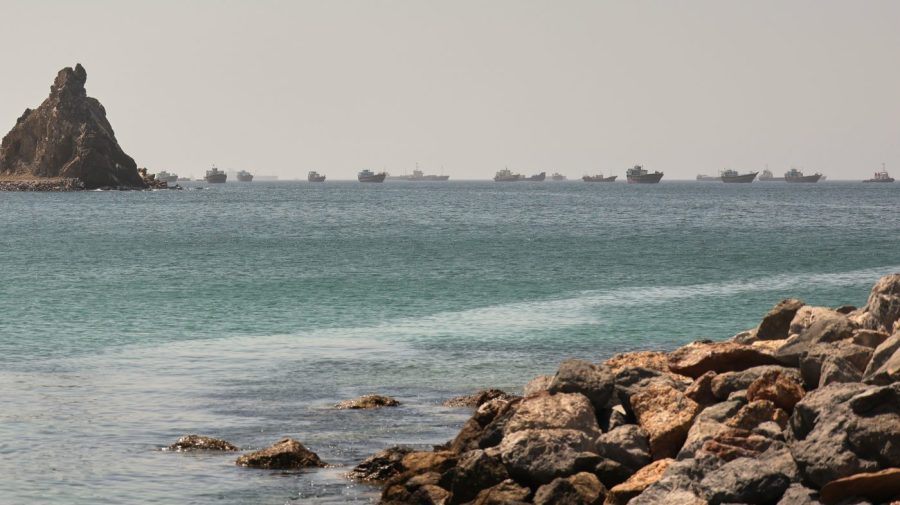
Oil prices saw a modest increase on Thursday as talks between Iran and Oman aimed at fostering peace between the two nations provided some optimism. Brent crude futures rose by $3.04, or 3.83 percent, to $82.49 a barrel, while U.S. West Texas Intermediate futures climbed by $2.07, or 2.75 percent, to $77.29 a barrel. An Iranian lawmaker mentioned that a parliamentary committee is examining a preliminary bill to prohibit hostile U.S., Israeli, and other vessels from the Strait of Hormuz, with violators facing fines up to 20 percent of the cargo value.
Traders remain vigilant about the U.S.-Iran negotiations, with delays in reaching an agreement causing prices to decline. The Strait of Hormuz, which serves as a critical conduit for one-fifth of global daily oil and liquefied natural gas supplies, has been a focal point of geopolitical tensions. The recent missile and drone attacks by Yemen's Houthis on Saudi deployments in Marib and Hadramout have heightened concerns about the stability of the Red Sea passageway.
Despite these developments, the market remains volatile, with traders closely monitoring the geopolitical landscape in the region.
Written by urgent.news from Channel News Asia's reporting — not their text. Machine-written — may contain errors; check the original before relying on it.
This story
This is one outlet's version. Read the fullest account.
- Strait of Hormuz fight continues to evolve with Iran-Oman talks thehill.com
- Oil prices slip as Iran-Oman talks fuel hopes for US-Iran peace deal channelnewsasia.com