What Everyone Is Missing About Ceuta
The history of the disputed exclave should inform what Spain does next.
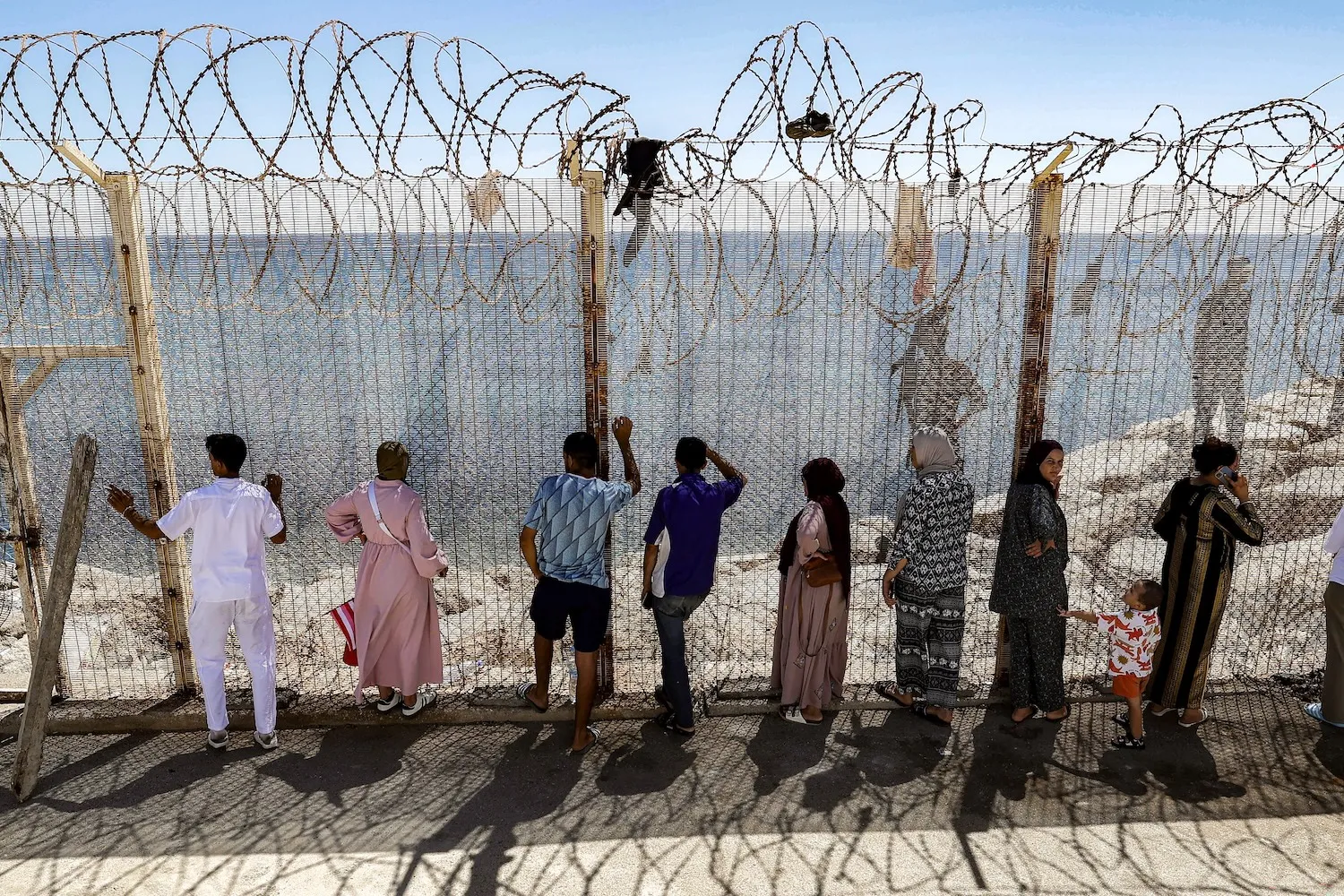
In 1415, Portuguese prince Henry led troops to the African trading outpost of Ceuta, marking the start of Portugal's empire-building. This marked the beginning of the Portuguese Age of Exploration, driven not by religious conversion or territorial expansion, but by the pursuit of vast gold wealth along the African coast. However, recent events in Ceuta have sparked a different kind of debate, with tens of thousands of migrants risking their lives to cross from Morocco into the Spanish-controlled territory, seeking a better life in Europe.
The story of Ceuta's conquest is deeply intertwined with Portugal's rivalry with Spain and the ensuing struggle for control of the Canary Islands. The Portuguese, led by Henry the Navigator, sought to secure their own wealth and power in Africa, while Spain aimed to expand its own influence. This rivalry ultimately led to the cession of Ceuta to Spain in the 16th century, following a succession crisis in Portugal and the death of King Sebastian I of Portugal in Morocco.
Today, Ceuta's historical significance has resurfaced as a focal point of the ongoing migration crisis, with the attention of news outlets often overshadowing the complex historical background. This narrow focus fails to acknowledge the intricate web of factors that shaped Portugal's imperial ambitions in Africa and the broader context of European imperialism as a whole.
Written by urgent.news from Foreign Policy's reporting — not their text. Machine-written — may contain errors; check the original before relying on it.