What caused a near miss between 2 jets near Tokyo – and what can China learn?
A near-miss on Tuesday involving an All Nippon Airways (ANA) plane coming dangerously close to another jet while approaching Tokyo’s Haneda Airport from Shanghai has thrown aviation safety back into focus – particularly, anti-collision technology and protocols – according to industry professionals based in China. While the intervention of one jet’s traffic collision avoidance system (TCAS)…
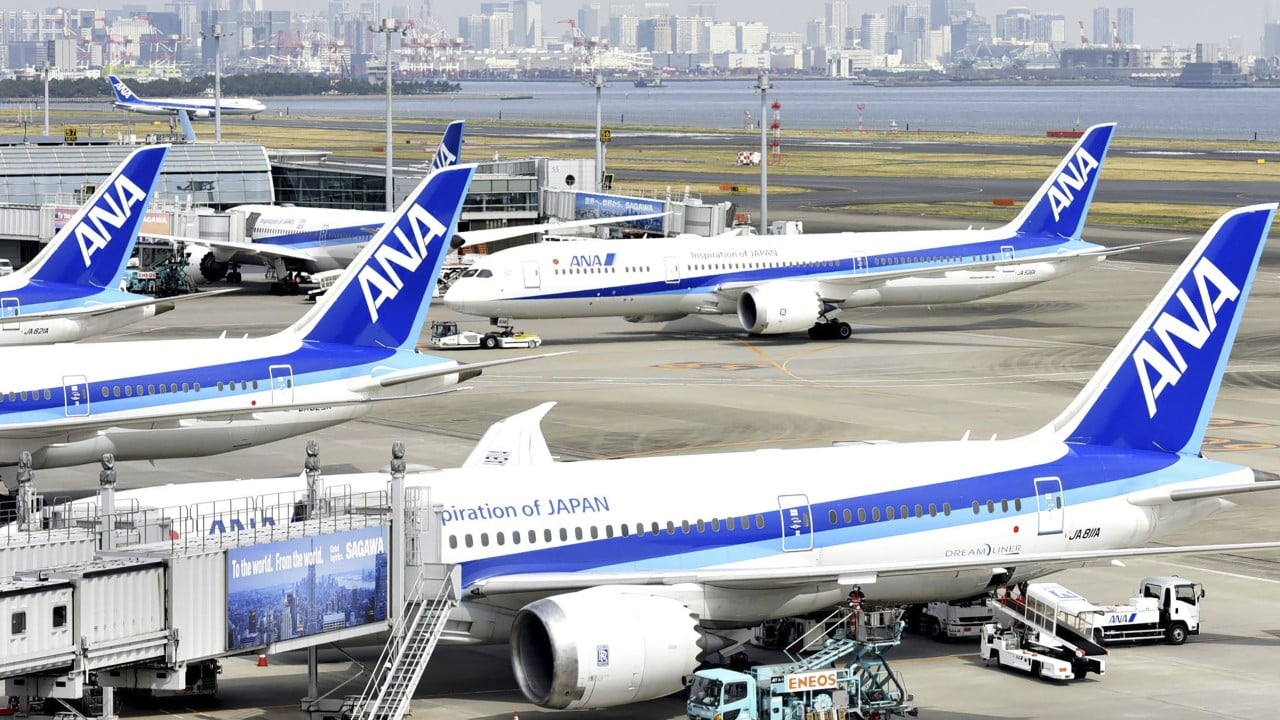
On Tuesday, an All Nippon Airways (ANA) Boeing 767 en route to Tokyo’s Haneda Airport nearly collided with a Japan Civil Aviation Bureau Cessna 525C inspector jet while descending. The narrow separation of just 20 metres (66 feet) triggered the ANA jet’s traffic collision avoidance system (TCAS), prompting the pilot to make a course correction to avoid impact.
However, the Cessna’s collision avoidance system failed to issue a similar warning. While both ANA and JCAB declined to comment, analysts emphasized that the incident underscores the importance of robust anti-collision technology and protocols. Industry professionals in China said the incident should prompt a thorough investigation into the cause and whether negligence played a role.
They also highlighted that China's stringent safety measures and systems, such as its Civil Aviation Administration of China (CAAC) regulations, make such occurrences less likely. Chinese aviation regulators are expected to closely monitor Japan's investigation and update safety procedures accordingly.
Written by urgent.news from South China Morning Post's reporting — not their text. Machine-written — may contain errors; check the original before relying on it.