We have adequate reserves to stabilise and protect cedi’s value – BoG Governor assures
Bank of Ghana (BoG) Governor Dr Johnson Asiama has assured businesses and the public that the central bank has adequate reserves to stabilise the cedi, stressing that there is no need for panic.
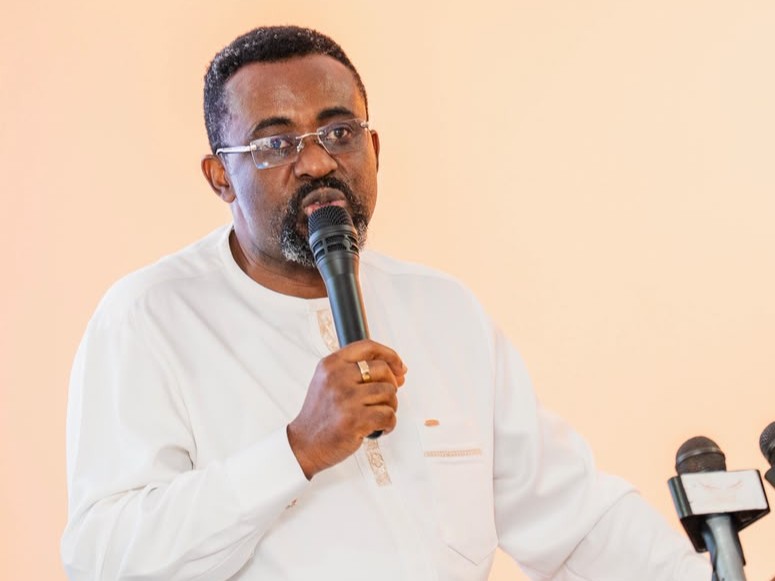
Bank of Ghana Governor Dr Johnson Asiama has assured the public that the central bank possesses sufficient reserves to maintain the stability of the cedi. He stated that the Bank of Ghana's gross international reserves, currently valued at US$12.9 billion, are ample to cover the nation's import requirements for approximately five months. These reserves, according to Dr Asiama, offer a robust safeguard against external shocks and enable the Bank of Ghana to uphold stability in the foreign exchange market.
During a stakeholder engagement programme in Sunyani, Dr Asiama highlighted the Bank of Ghana's unwavering commitment to preserve the cedi's value, curb inflation, preserve financial stability, and foster sustainable economic growth. He emphasized that their overarching objective is to create an economic atmosphere where businesses can thrive with assurance, households can plan for the future, and every Ghanaian can reap the benefits of a stable and flourishing economy.
While acknowledging that recent pressures on the cedi were primarily due to global events, particularly the conflict in the Middle East, the Governor expressed confidence in the currency's subsequent recovery. Despite these challenges, he reiterated the Bank of Ghana's dedication to maintaining an orderly and well-functioning foreign exchange market.
However, he cautioned that complacency cannot be tolerated, given the global economy's ongoing uncertainty and potential for events beyond Ghana's borders to impact the nation.
Dr Asiama also reported that the Monetary Policy Committee of the Bank of Ghana had maintained the policy rate at 14 per cent. He explained that this decision was necessitated by the need for additional time to evaluate the impact of Middle Eastern developments on the Ghanaian economy. Despite ongoing global uncertainties, mainly attributed to the conflict in the Middle East and rising oil prices, Dr Asiama pointed out that Ghana's economy has demonstrated robust performance.
He attributed this to a surge in various sectors of the economy, including increased bank lending to businesses, heightened trade, augmented industrial production, and a resurgence in tourism.
Furthermore, he noted that businesses and consumers are demonstrating growing confidence in the future. Regarding the banking sector, Dr Asiama affirmed that commercial banks remain adequately capitalized, deposits continue to expand, and the quality of bank loans has improved. He also expressed satisfaction that commercial banks are increasingly lending to the private sector, with credit to businesses and households soaring by more than 41 per cent in June this year, compared to a mere 9 per cent a year earlier.
This surge in lending allows more businesses to access financing, enabling them to expand, generate employment, and contribute to economic growth.
Written by urgent.news from MyJoyOnline Ghana's reporting — not their text. Machine-written — may contain errors; check the original before relying on it.