Viture’s lightest smart glasses yet still put a massive 146-inch screen in front of your eyes
The Viture Pro 2 trims weight and thickness while adding brighter displays, improved eye adjustments, and a wider field of view, alongside a smaller Switch 2-ready dock.
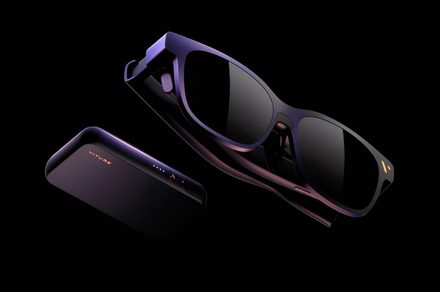
Viture has unveiled its latest iteration of smart glasses, the Pro 2, touting a lighter weight and enhanced comfort for users. The Pro 2 weighs just 63 grams and is priced at $299, marking it as the lightest display glasses to date. This sleek design offers a 16% thinner and 20% lighter frame compared to its predecessor, the Viture Pro.
Viture has also introduced UltraClarity 3.0 technology, featuring Sony-made micro-OLED displays capable of reaching up to 1,600 nits. The new glasses boast a smoother field-curvature design to provide a more natural-looking virtual screen and alleviate eye strain. Gamma tuning further enhances color accuracy. Users can fine-tune their viewing experience with individual diopter controls for each eye, ranging from 0 to minus 5.00D.
The field of view has expanded from 46 degrees to 50 degrees, while the resolution remains at 1920 x 1080 per eye and a refresh rate of up to 120Hz. Although the Pro 2 doesn't offer groundbreaking display upgrades, it prioritizes comfort and an improved fit for extended wear. The glasses employ a birdbath optical system, utilizing a wired USB-C connection.
Additionally, Viture has launched the Mobile Dock Mini, priced at $99, which is 34% smaller and 30% lighter than its predecessor and includes a 10,000mAh battery. The dock supports the Nintendo Switch 2 and features a detachable magnetic adapter for standalone use with televisions or monitors. The Viture Pro 2 and Mobile Dock Mini are now available for purchase, with a bundled price of $378 when bought together.
This new model joins the brand's Beast XR glasses, which provide an even larger display. In other tech news, Apple is downsizing its workforce, with over 200 job cuts across various departments, including hardware and software teams. Meanwhile, Oura, a company specializing in sleep tracking devices, faces a class-action lawsuit questioning the accuracy of their sleep-stage tracking feature.
Written by urgent.news from Digital Trends's reporting — not their text. Machine-written — may contain errors; check the original before relying on it.