US Air Force says the F-47 'will fly in this administration' — new super jet set to replace the F-22 is still set to arrive in 2028
The US Air Force says Boeing's F-47 remains on schedule, with its first flight expected in 2028 under Next Generation Air Dominance.
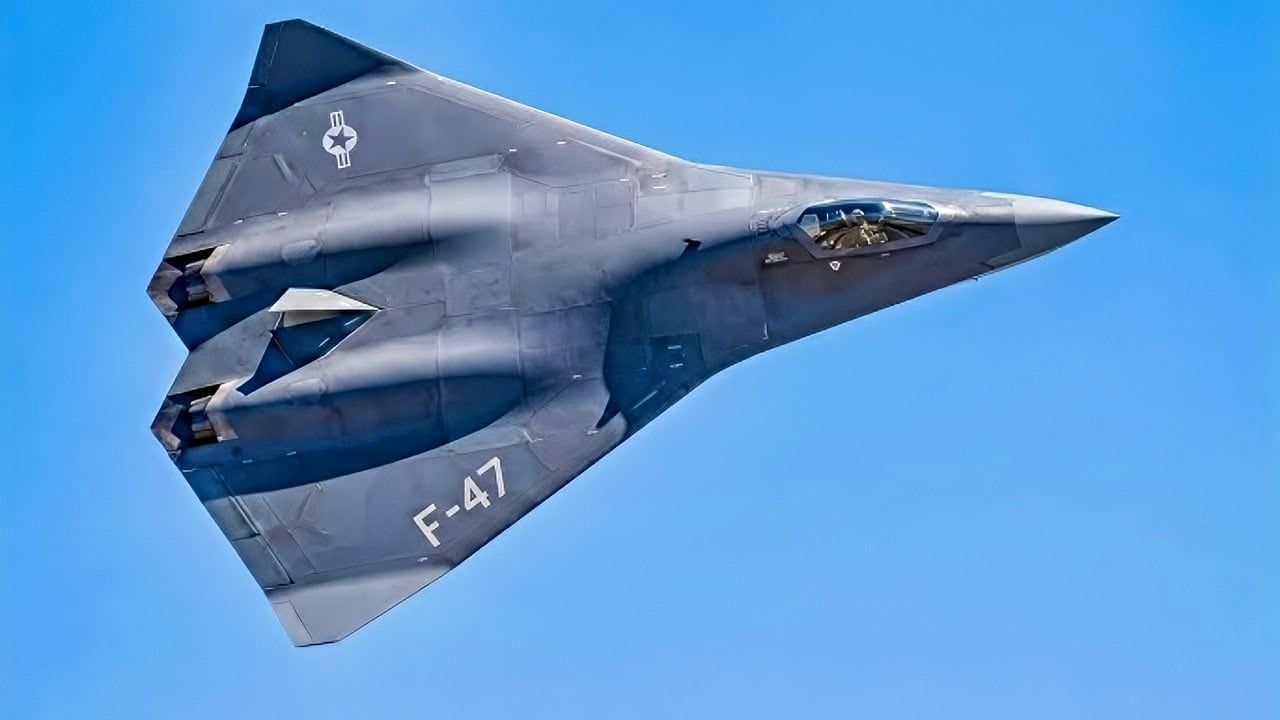
The US Air Force has confirmed that the development of the Boeing F-47, a sixth-generation fighter jet designed to replace the F-22 Raptor, remains on track for its planned 2028 debut under the Next Generation Air Dominance program. Despite being heralded as the successor to the F-22, the F-47 has yet to take its first flight, with production currently in the engineering and manufacturing development phase.
General Dale White, the Director of Critical Major Weapon Systems, stated that the program has been characterized by "extreme teaming" with industry partners and has entered this development stage with "unprecedented maturity." This implies that the engineering work has already progressed significantly before the shift to manufacturing activities. White affirmed that the F-47 "will fly in this administration," reaffirming earlier commitments to the aircraft's planned launch.
The Air Force plans to procure a minimum of 185 F-47 fighters, a number matched by the F-22 aircraft the new platform is intended to replace. The fiscal year 2026 budget allocated $3.45 billion, while the request for the fiscal year 2027 exceeds $5 billion, reflecting ongoing commitment to the program. The F-47 is part of a larger air superiority strategy, which integrates crewed aircraft with Collaborative Combat Aircraft, creating a family of systems designed to operate together in contested environments.
The F-47 features a modular design, allowing it to accommodate future technologies and enhancing its strike capabilities. President Donald Trump has praised the aircraft, stating that it surpasses existing fighter platforms across numerous performance measures, including speed, maneuverability, payload, and range. While the program has historically faced challenges, the US Air Force and the government remain confident in meeting the development milestones.
However, advanced combat aircraft programs often encounter technical, financial, and production hurdles before achieving operational military service.
Written by urgent.news from TechRadar's reporting — not their text. Machine-written — may contain errors; check the original before relying on it.