Trump may get a big, new tariff authority
A legal cat-and-mouse game has played out over whether the president can use various obscure, untested provisions to impose tariffs. Now, Congress appears on track to give him a big, new — and explicit — tariff authority. Why it matters: A bill on Russia sanctions, named for the late Sen. Lindsey Graham , has received overwhelming bipartisan support in the Senate and would allow President Trump…
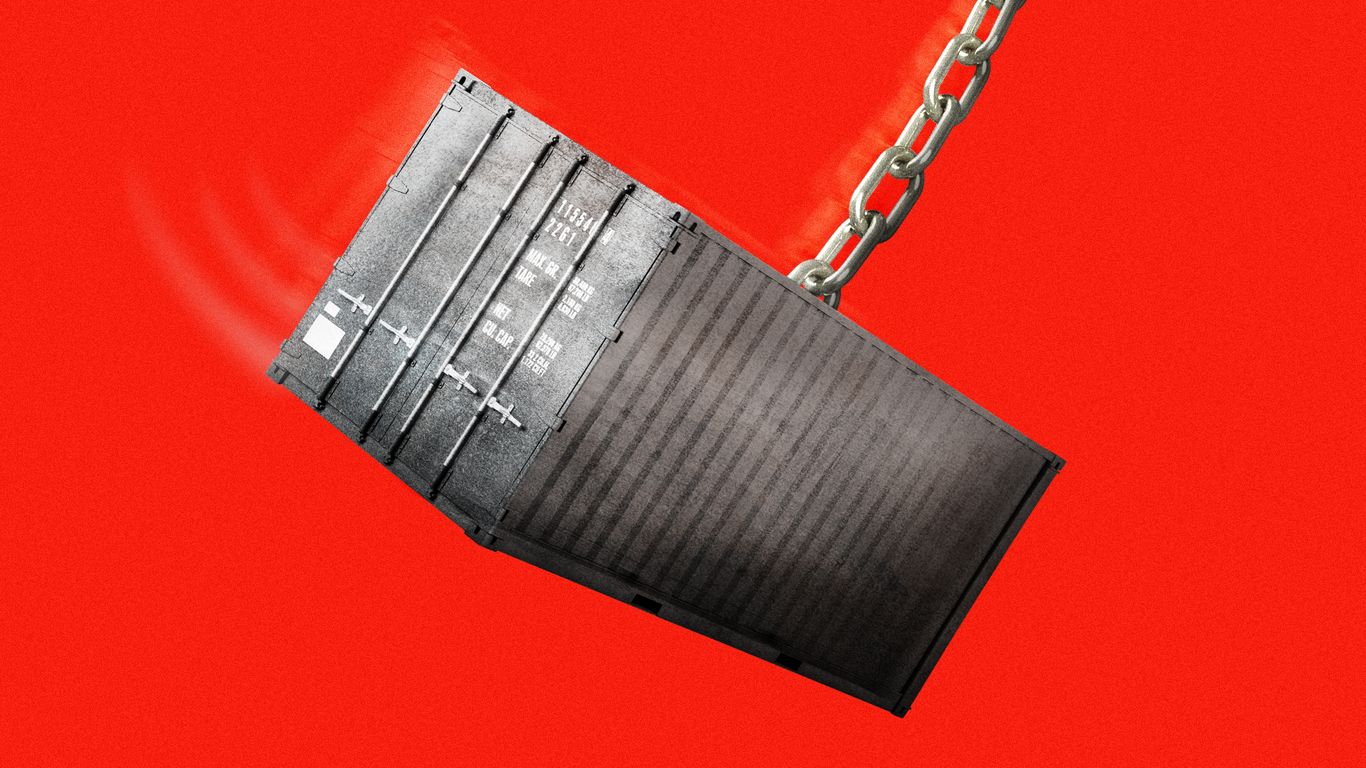
A bill named after late Senator Lindsey Graham is poised to grant President Trump and his successors unprecedented tariff authority. This legislation, which has garnered strong bipartisan support in the Senate, would enable the president to impose tariffs of up to 100% on major importers of Russian energy. If passed as currently drafted, the measure would empower the Trump administration, as well as future administrations, to raise import taxes on significant economies such as India, China, and the European Union.
The bill, the Lindsey O. Graham Sanctioning Russia Act of 2026, passed a crucial Senate procedural vote by a margin of 86-12. It expands sanctions on Russia and Iran, targets Russia's "shadow fleet" of oil tankers, and allows the U.S. trade representative to adjust tariffs between 0% and 100% on the top five importers of Russian crude oil or natural gas.
The trade representative merely needs to notify Congress of its actions, without additional constraints or requirements. The bill comes at a time when Trump's tariff agenda has encountered obstacles in the courts, with the Supreme Court ruling against his use of the International Emergency Economic Powers Act and a lower court striking down the use of Section 122 of the Trade Act of 1974.
The administration has resorted to Section 301 of the Trade Act, but the specific grounds for invoking this provision are questionable. If the Russia sanctions legislation is enacted, it would provide the president with a more legally secure tool to impose higher tariffs, potentially on major economies, without being tied to specific geostrategic goals related to Russia's conflict with Ukraine.
Written by urgent.news from Axios's reporting — not their text. Machine-written — may contain errors; check the original before relying on it.