Trump harasses new Fed chair Warsh with personal calls to unprecedented levels, sparking concern
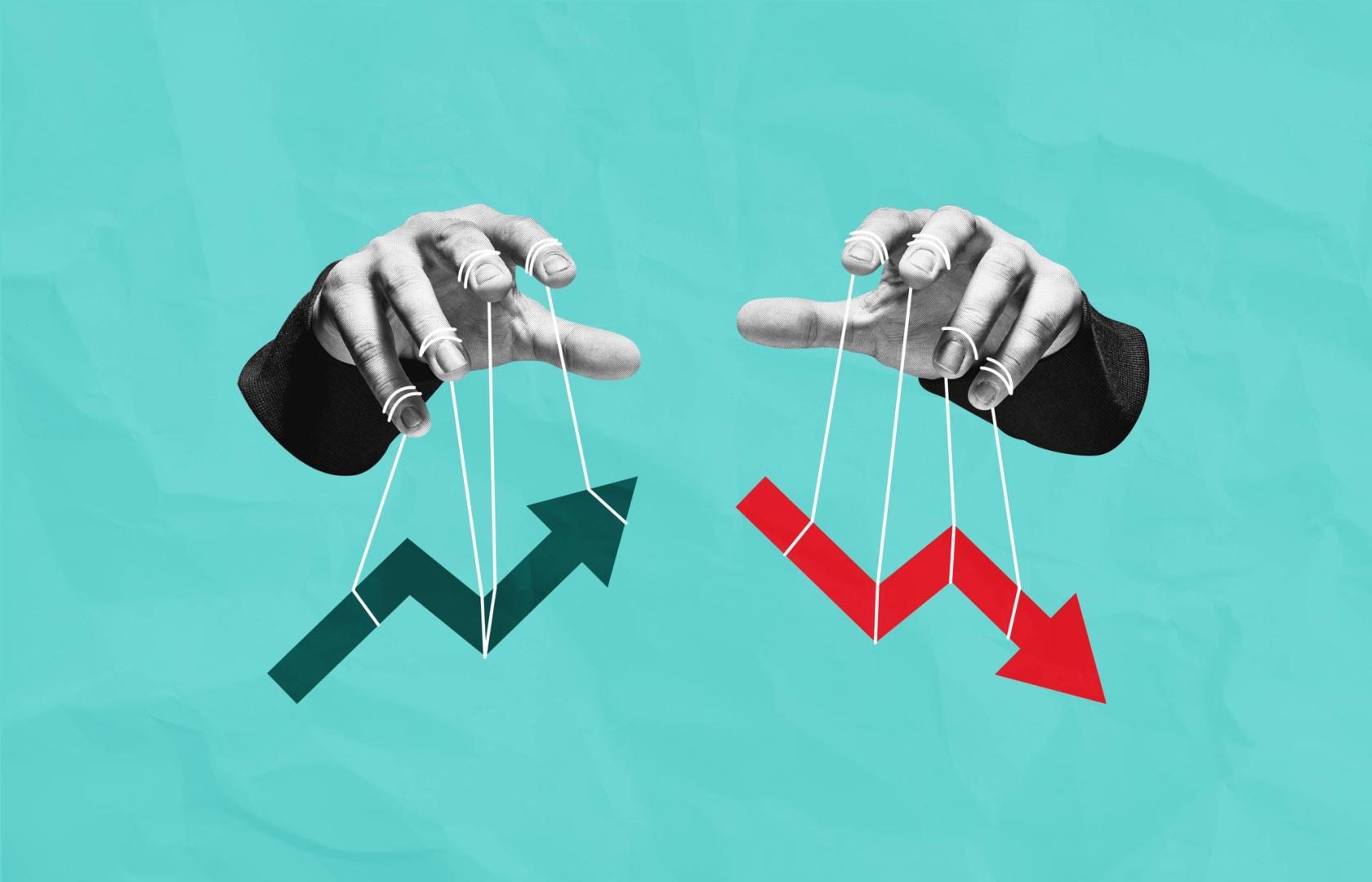
Trump has reportedly repeatedly called Federal Reserve Chair Kevin Warsh for advice on Iran, AI, and the economy, raising concerns about the central bank’s political independence.
President Donald Trump has been making frequent personal calls to the newly-appointed Federal Reserve Chair, Kevin Warsh, in an unprecedented manner, raising concerns among observers. According to sources, Trump's interactions with Warsh have been irregular, with the president sometimes calling multiple times within a week, and other times going silent for weeks.
While it remains unclear if these conversations have directly concerned monetary policy, sources suggest that Trump has been seeking advice on politically charged issues such as the potential war with Iran and the impact of artificial intelligence on the economy.
Warsh began his tenure as Fed chair just over two months ago, after taking over from former chair Jerome Powell in May. Traditionally, presidents would meet with Federal Reserve chairmen in formal settings to maintain the perception of a non-political central bank. However, Trump has been bypassing these formal channels and often contacting Warsh via his personal cellphone.
The White House has reportedly not been the only place where such behavior has been observed, with both Barack Obama and Bill Clinton avoiding direct pressure on the Federal Reserve in the past.
Historically, the Federal Reserve Act and the Post-Accord precedent of 1951 emphasized the importance of separating presidential activities from the Fed's monetary policy to maintain public confidence and independence. Despite Warsh's pledges during his swearing-in ceremony to be entirely independent, sources indicate that Trump now views Warsh as a valuable economic adviser.
This shift appears to be a reversal of his earlier statements made in December, when he referred to himself as a "smart voice" that the Fed should consult with.
This development is reminiscent of the conflicts between Trump and his predecessor, former Fed chair Powell, who was criticized for not cutting interest rates enough when advised by the president. Warsh recently stated that he would be more inclined to increase rates if inflation remained high, contradicting Trump's desire for lower rates.
This contradiction has previously led to clashes between the two, with Trump threatening to fire Powell - an action that is only permissible under extreme circumstances as per the Federal Reserve Act.
Written by urgent.news from Jerusalem Post's reporting — not their text. Machine-written — may contain errors; check the original before relying on it.