Treasury Secretary Scott Bessent: ‘K-shaped economy is over’ and I’m ‘sick of hearing’ about it
Treasury Secretary Scott Bessent says the K-shaped economy is over, but the data and many economists tell a different story. “I do believe the core inflation is slowing,” Bessent said in an interview with CNBC on Tuesday. “I got sick of hearing about this K-shaped economy. I can say here definitively, the K-shaped economy is over, and we’re seeing more of a C economy where the lower end of wage…
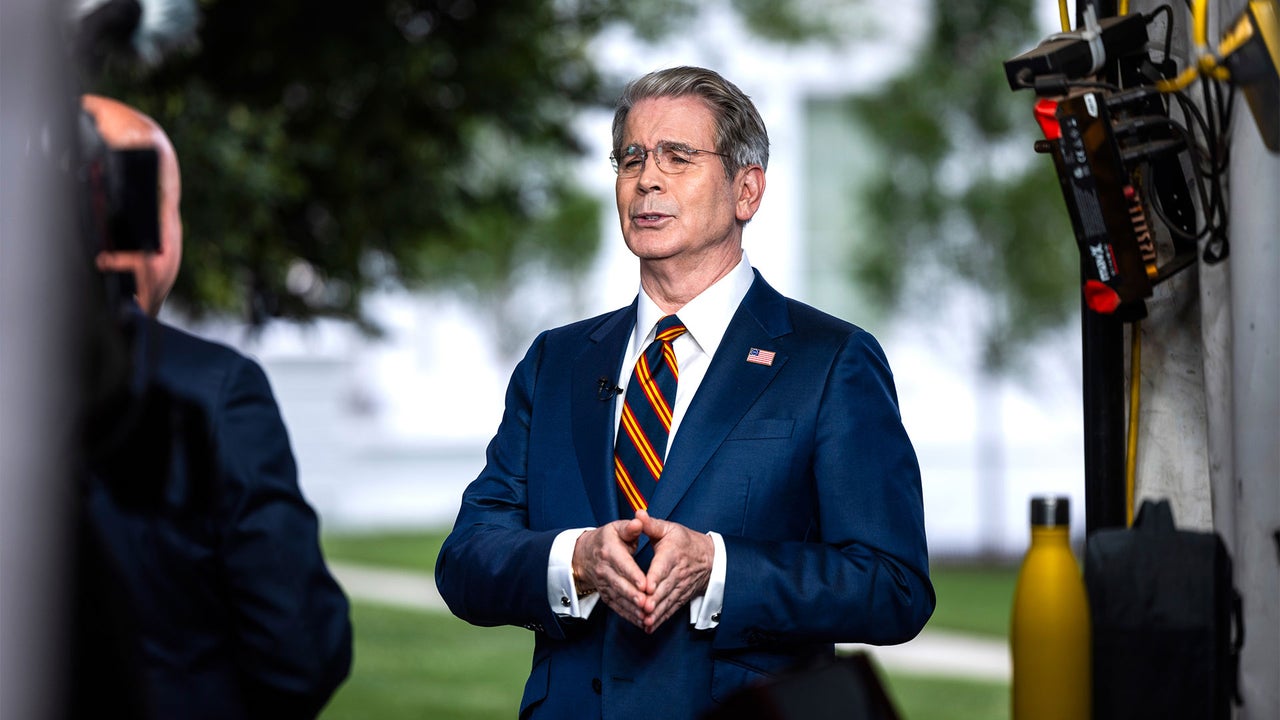
Treasury Secretary Scott Bessent claims the K-shaped economy no longer exists, but economists maintain that the reality is quite different. In an interview with CNBC, Bessent asserted that the K-shaped economy has ended and we are now experiencing a C-shaped economy where lower wage earners are finally regaining ground, similar to the period during President Trump's initial term.
This statement comes as the midterm elections approach, and the Trump administration continues to defend the current economy, which has been negatively impacted by rising living costs, increased gas prices due to the Iran War, and higher food and utility expenses, resulting in an increasing affordability crisis for many Americans, particularly those with lower and middle incomes.
Bessent pointed out that the media hesitates to report on the economy's actual state, but it is outperforming expectations with "real wage gains" for working Americans. Specifically, the bottom 25% of workers experienced a 2% wage boost and benefit from the Working Families Tax Cuts and other tax cuts from President Trump's One Big Beautiful Bill Act, which include no tax on tips, no tax on overtime, reduced taxes for seniors on Social Security, and the ability to deduct auto loans.
However, economists disagree with Bessent's assertion, as they continue to observe the persistence of the K-shaped economy. According to Moody's Analytics chief economist Mark Zandi, the gap between high-earning households and those in the bottom 80% has remained intact. Zandi's data from the first quarter of 2026 shows that outlays by households earning $200,000 or more grew by an estimated 6.5%, which is nearly 4% in real terms.
Meanwhile, outlays for those in the lower income bracket remained unchanged after accounting for inflation.
U.S. Bank chief economist Beth Ann Bovino attributes this discrepancy to various factors, including higher-for-longer interest rates, high inflation, and the growing adoption of artificial intelligence. Bovino emphasizes that these forces have been contributing to uneven growth in the U.S. economy for decades, not just the recent oil-driven price pressures resulting from the pandemic.
Furthermore, she notes that the K-shaped recovery still exists, as most economists predict the gap between the wealthy and the lower-income brackets will continue to widen.
Written by urgent.news from Fast Company's reporting — not their text. Machine-written — may contain errors; check the original before relying on it.