Transformers Beyond ChatGPT
How transformers power medical imaging, robotics, satellite analysis, driving, protein science, security, recommendations, and anomaly detection.
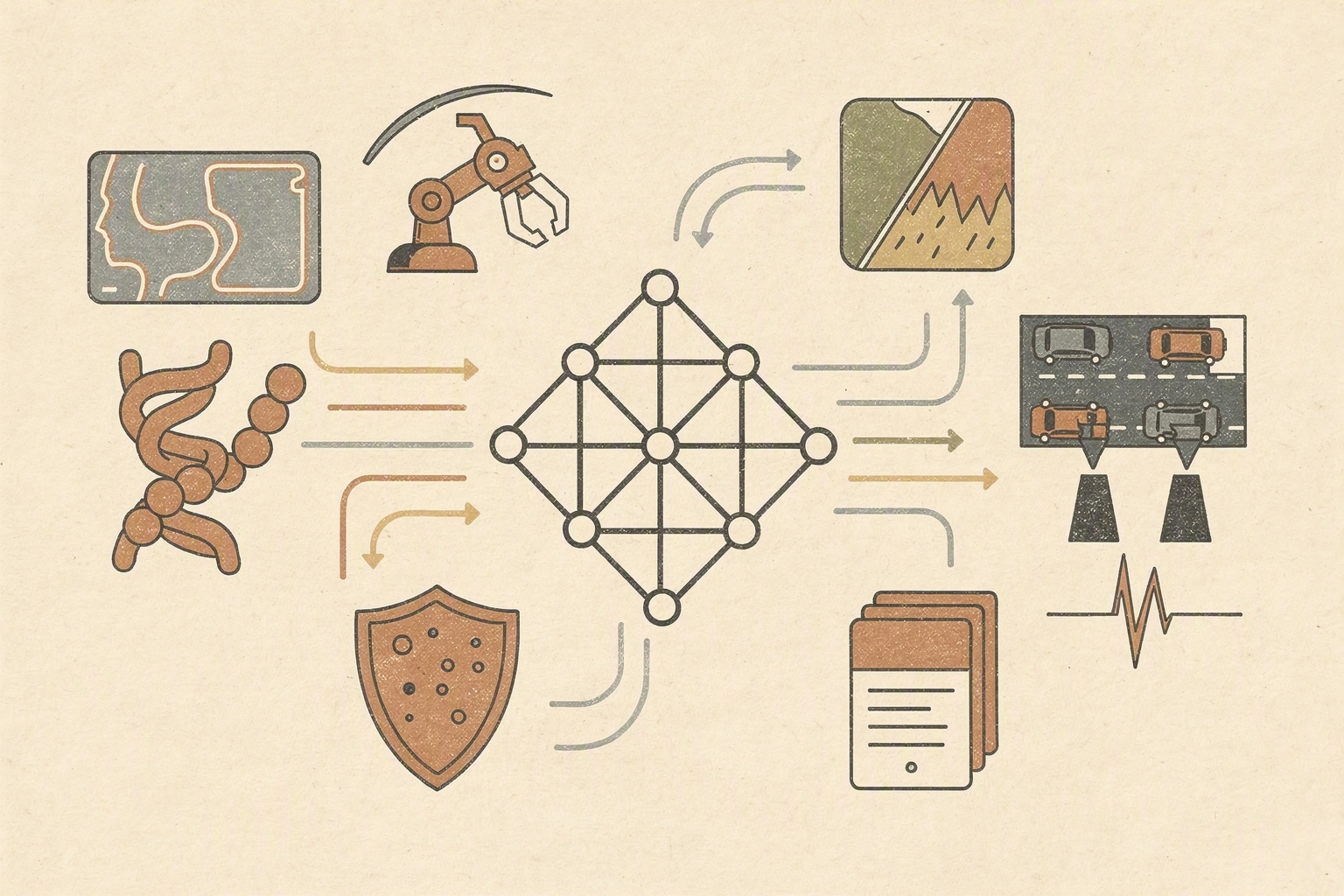
Transformers, known primarily for powering chatbots like ChatGPT, have found utility far beyond language processing. By treating various types of data as sequences of tokens and leveraging attention to weigh relationships among these tokens, the transformer architecture can be applied to a wide range of domains. These include medical imaging, satellite imagery, robotics, and autonomous driving.
In medical imaging, transformers help connect anatomy across scans by encoding image patches as tokens and learning relationships among them. For instance, the hybrid model TransUNet combines a transformer encoder with a U-Net decoder, utilizing the transformer to capture global relationships while relying on the U-Net for fine spatial detail. This allows for tasks like organ segmentation to benefit from both local precision and a broader context.
Satellite imagery also benefits from this approach. By tokenizing satellite patches and incorporating temporal and spectral information, models like SatMAE can compare satellite images across different bands and timeframes. This enables tasks such as land-cover classification and semantic segmentation, without the need to convert satellite images into something resembling text.
Robotics presents another application. Robots must interpret visual input, decide what actions are relevant, and execute those actions in real-time. Google's RT-1 approached this by treating robot control as a sequence of tokens, integrating visual observations and task instructions to generate actions for a real robot. RT-2 further developed this by representing actions as tokens within vision-language-action models, which were trained on both web and robotic data.
While these systems show promise, they still face challenges related to latency, hardware constraints, and the physical nature of robot tasks.
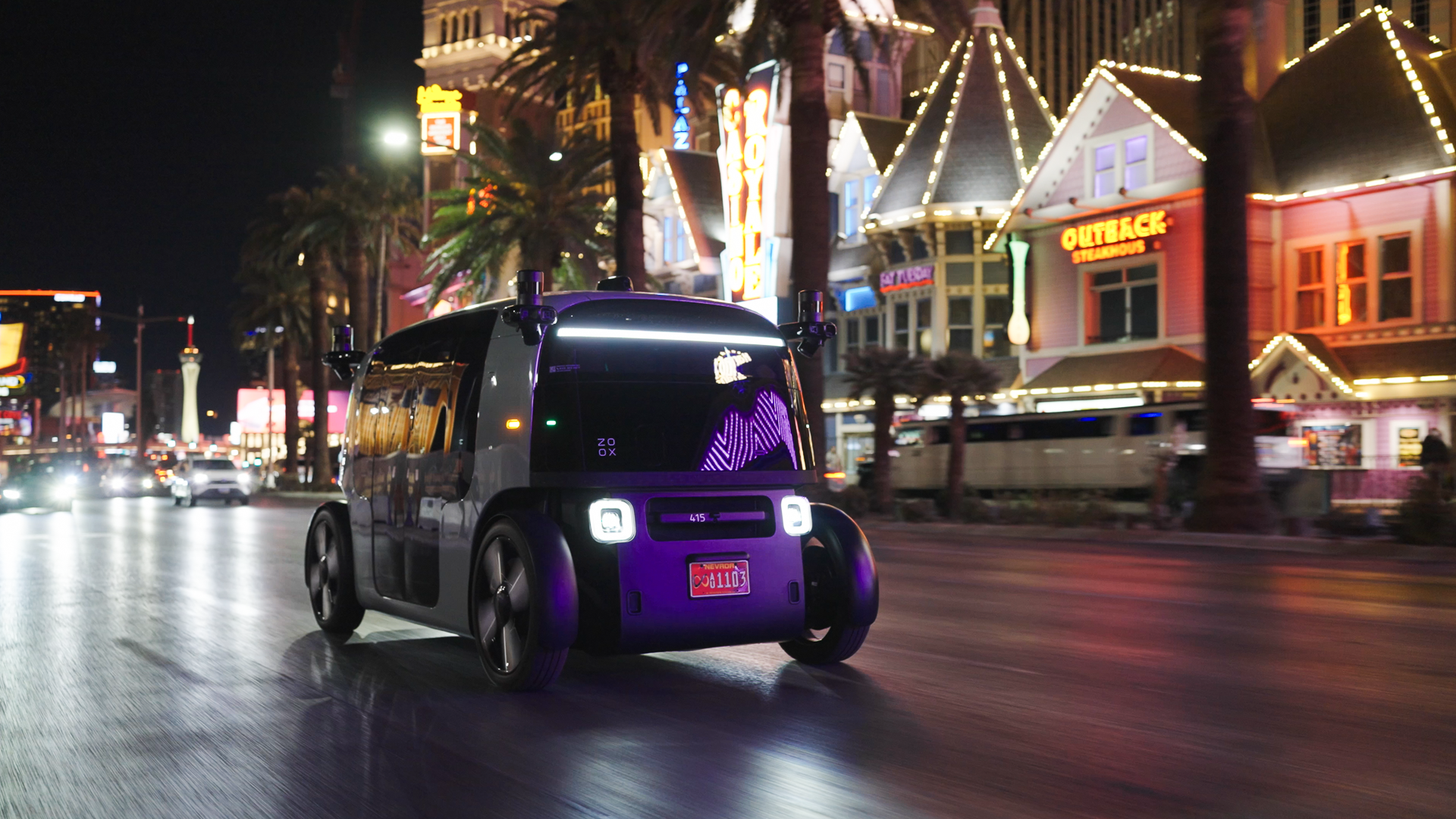
Autonomous driving is another area where transformers show promise. By constructing bird’s-eye-view representations from multiple camera feeds using spatiotemporal transformers, systems like BEVFormer can create a stable spatial model that captures both local and global context. This is crucial for understanding a vehicle's environment, as it allows the system to account for objects that are temporarily obscured or only visible from certain perspectives.
In each of these domains, the key to the transformer's success lies in its ability to convert diverse input types into token sequences and then learn relationships among these tokens. The architecture remains a reusable middle layer, with domain-specific components such as input encoders, output heads, training objectives, and validation measures tailored to each problem.
However, while transformers offer powerful capabilities, they do not replace the need for domain-specific expertise or address all challenges associated with their respective applications.
Written by urgent.news from HackerNoon's reporting — not their text. Machine-written — may contain errors; check the original before relying on it.