The Lost Hiroshima Memoir
At 8:15 on the morning of August 6, 1945, Kiyoshi Tanimoto, a minister who presided over a Methodist church in Hiroshima, was two miles outside the city, when a tremendous flash occurred in the sky. Uninjured by the blast, he rushed toward his home and his family, passing hordes of the dead and the gravely […]
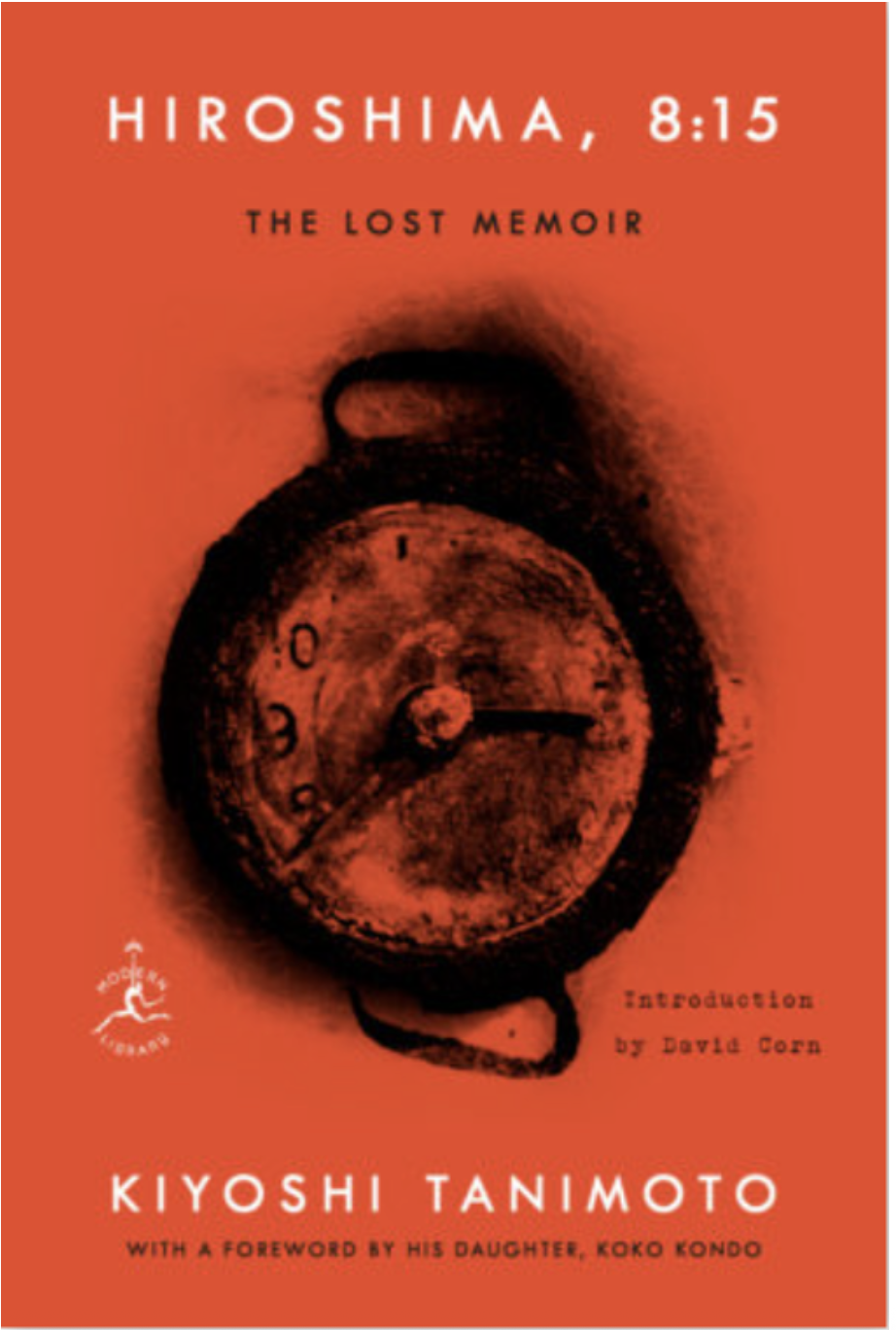
On the fateful morning of August 6, 1945, Kiyoshi Tanimoto, a Methodist minister residing in Hiroshima, found himself two miles away from the city when a blinding flash illuminated the sky. Unscathed by the blast, he swiftly made his way back to his home, witnessing a level of devastation that left him utterly stunned. The destruction was so immense that it defied comprehension, and Tanimoto's initial fear for his loved ones only grew stronger.
This account of Tanimoto's harrowing experience has been lost for decades until recently, when he was asked to edit his poignant and gripping memoir. Tanimoto's firsthand narrative provides a harrowing tale from the ground zero of the atomic bombing, detailing his heroic efforts to ferry the wounded across a river using a makeshift boat and a single pole.
As the city burned around him and he treated survivors with severe burns, Tanimoto repeatedly reminded himself, "These are human beings." The horror he witnessed has been described as numbing, and eyewitnesses have hailed him as a "rescuing angel."
Kai Bird, co-author of the biography "American Prometheus," lauds Tanimoto's work as a "stunning historical discovery and a heartrending testimony of human suffering." Tanimoto's remembrances, while gruesome and disturbing, are crucial for all to read, as they provide a stark reminder of one of the most significant days in human history.
Tanimoto's journey to publish his memoir began with a trip to Japan two years ago, where he was moved by the city's reconstruction efforts, including the Peace Park at its center. The city's dedication to the abolition of nuclear weapons, coupled with its free-from-bitterness memorials, inspired him to share Tanimoto's story with a wider audience.
Upon returning to the United States, Tanimoto wrote an essay for the newsletter, reflecting on the lessons Hiroshima teaches us about nuclear arsenals and the potential for human cruelty. He emphasized the city's commemoration of the tragedy as promoting a never-again message, despite the possibility of total annihilation.
Tanimoto's memoir has been discovered by Donald Rosenfeld, a veteran film producer who is developing a feature film dramatizing John Hersey's groundbreaking article on Hiroshima published by the New Yorker in 1946. Hersey's article, which featured the stories of six survivors, was an instant phenomenon, selling out the issue in which it appeared and prompting global coverage of the event.
Tanimoto's firsthand account offers a unique perspective on the atomic bombing, one that was largely absent from the media coverage at the time due to the US military's control and anti-Japanese sentiment.
Written by urgent.news from Mother Jones's reporting — not their text. Machine-written — may contain errors; check the original before relying on it.