Team uncovers how plants ‘feel full’
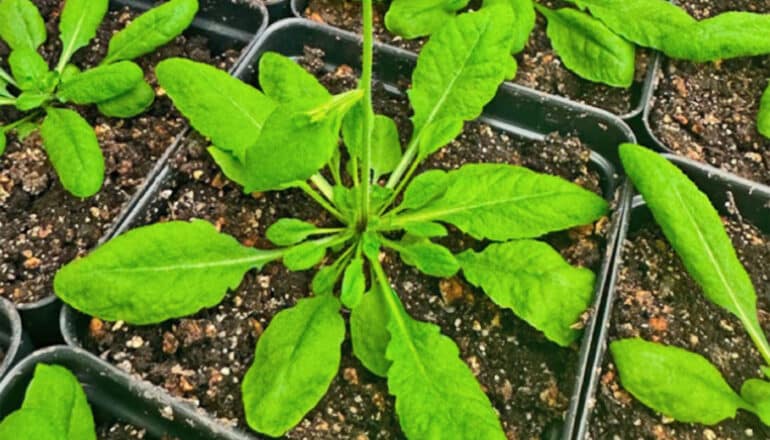
Scientists have identified key molecular factors that allow plants to stop absorbing nitrogen once they have taken up enough, according to a study published in The Plant Cell. This discovery could potentially lead to the development of crops that require less nitrogen fertilizer, reducing the environmental and economic costs associated with nitrogen application.
By pinpointing the gene regulators that respond to different levels and types of nitrogen, researchers were able to uncover a crucial regulator of nitrogen use in plants. Professor Gloria Coruzzi of New York University and her colleagues found that a protein called HHO5 plays a pivotal role in this process. HHO5 regulates plant gene expression genome-wide and is involved in plant growth in a nitrogen-dose dependent manner.
The study also revealed that the expression levels of HHO5 increase when plants contain sufficient organic nitrogen—a form of nitrogen used for long-distance transport, storage, and synthesis of amino acids essential to human nutrition. When HHO5 is activated by organic nitrogen signals, it simultaneously promotes the expression of genes involved in organic nitrogen metabolism and inhibits the expression of genes involved in the uptake of inorganic nitrogen.
This dual role allows plants to conserve energy and stop absorbing additional inorganic nitrogen when they have enough organic nitrogen.
The findings provide valuable insights into the mechanisms of nitrogen use in plants, which could lead to the development of crops that require less nitrogen fertilizer. This would have significant environmental, economic, and geopolitical benefits by reducing the negative impacts of fertilizer use, such as water pollution, greenhouse gas emissions, and geopolitical instability.
The researchers hope that this knowledge will pave the way for engineering "gluttonous" plant varieties that can absorb more available nitrogen efficiently.
Written by urgent.news from Futurity's reporting — not their text. Machine-written — may contain errors; check the original before relying on it.