SpaceX’s Falcon 9 wasn't the first rocket to crash into the moon. Here's a rundown
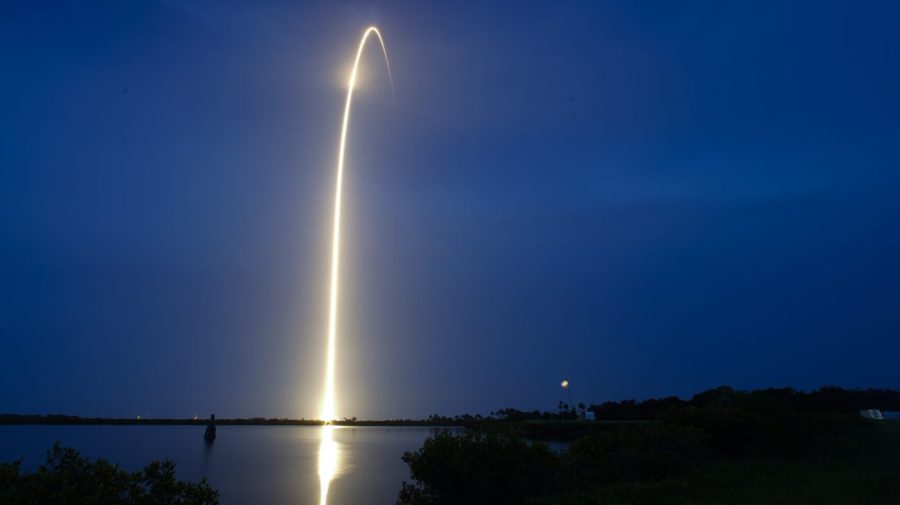
The SpaceX Falcon 9 rocket upper stage that collided with the moon on Wednesday (Aug. 5), was just the latest in a line of energetic lunar touchdowns.
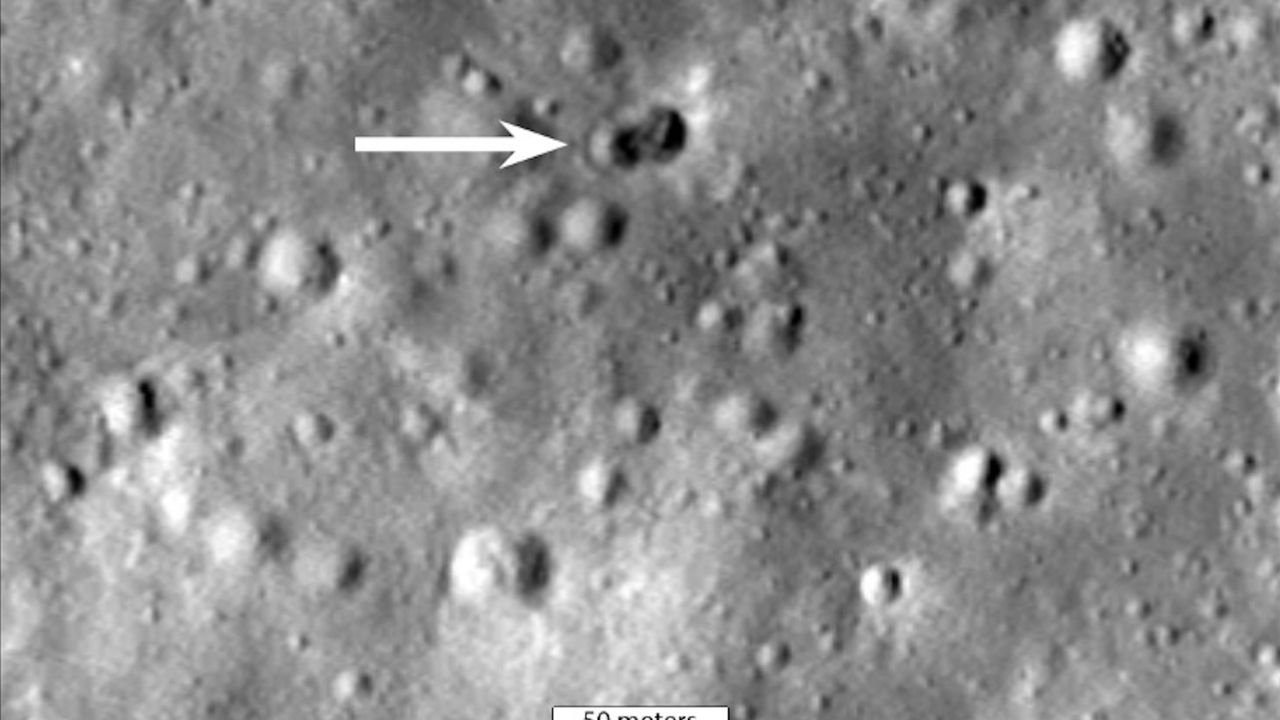
On August 5, a SpaceX Falcon 9 upper stage collided with the moon, marking the latest in a long history of human-made objects striking the lunar surface. Astronomers worldwide were monitoring the moon on Wednesday morning, anticipating the impact of the rocket stage from a January 2025 U.S. commercial lunar landing mission. Though the impact was unintended, it provided a rare opportunity to observe the flash and plume of lunar material.
By noon EDT, no confirmed reports of the impact being captured on film had emerged. However, a telescope in Chile detected the debris plume. Jared Isaacman, NASA's administrator, noted that impacts from meteoroids occur hourly on the moon, with events similar to this upper stage impact happening roughly every six days. The moon is littered with the remains of missions that missed their mark, came down too quickly, or were intentionally sent crashing to gather information about its composition.
Notable examples include Luna 1, Luna 2, Ranger 4, Apollo 11 and Apollo 16. While unintended collisions are fewer in number, the increasing pace of establishing sustainable facilities on the moon could raise the risk associated with such impacts.
Written by urgent.news from Space.com's reporting — not their text. Machine-written — may contain errors; check the original before relying on it.