Southeast Asia's 3rd largest bank UOB sells asset management arm for $434M
Singapore's United Overseas Bank, the third-largest lender in Southeast Asia by assets, is selling its asset management business to a unit of Germany's Allianz for S$555 million (US$434 million).

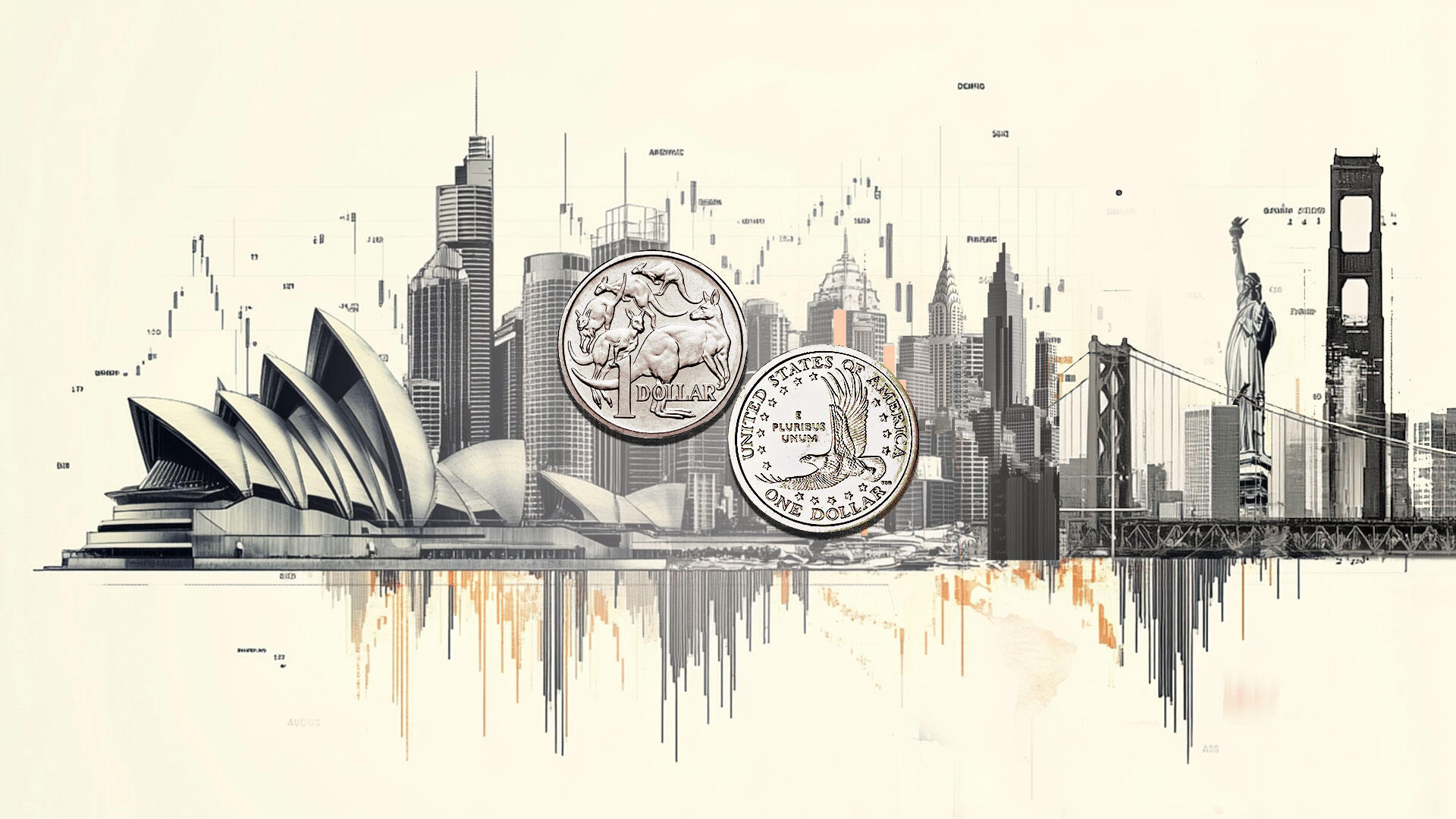
A striking statistic demands a reappraisal of every stablecoin policy discussion in Southeast Asia, and it is not a positive one. As of early 2026, the global stablecoin market is valued at over US$300 billion, with approximately 99.76 percent backed by the US dollar. Apart from this, the remaining quarter of a percent is made up of non-dollar coins, consisting of experiments in euros, yen, ringgit, and Singapore dollar.
For the past two years, the region's response to this has been to craft improved regulatory frameworks. Singapore instituted an open, multi-currency licensing regime under the Monetary Authority of Singapore, attracting issuers like StraitsX, Paxos, and Circle. Meanwhile, Malaysia is piloting a ringgit stablecoin that is bank-supported and Shariah-compliant.
These policy initiatives are well-intentioned, and the underlying logic is sound: digital money is increasingly becoming a matter of sovereignty, and defending it is of paramount importance. However, a regulatory framework and a market are not synonymous, and we continue to blur the lines between the two. That 99.76 percent is not a gap in any licensing regime, but a clear indication.
Users, exchanges, and treasuries have already made their choice, and it is the dollar, primarily due to its liquidity, ubiquity across every wallet and venue, and the fact that it is the currency everyone else is already holding. Licensing cannot simply generate a default into existence, nor can it dismantle a network effect. To fully grasp this default, it is crucial to understand how it came about.
The United States' GENIUS Act, passed in July 2025, is a case in point. The legislation mandates that payment stablecoins be fully backed one-to-one by dollar assets, which serves dual purposes - consumer protection and statecraft. This move channels fresh demand into US Treasuries and broadens foreign access to dollars. Washington understood that in this contest, victory is not achieved through the rulebook, but by expanding the reach.
Competing entities are viewing this as a distribution war, while some are treating it as a compliance exercise. This discrepancy is the core mismatch. While a license authorizes a product, it does not give anyone a reason to hold it. Even the world's most rigorously regulated ringgit stablecoin still has to compete against a dollar token that is already present in every wallet, already trusted, and widely considered the path of least resistance.
The market's indifference towards a coin's origin is often described politely as "user preference for usability," essentially implying that people do not care about a coin's origin. While it is true that local-currency stablecoins may not be intended for consumers but for business, cross-border settlement, remittances, and corridor flows, where banking relationships and regulation matter more than what sits in a shopper's phone, this argument does not alleviate the licensing-first strategy.
It merely shifts the same challenge upstream. The dollar's dominance in settlement is the very thing a regional coin must challenge, and incumbents do not fall to frameworks. The issue is a struggle for the default, and defaults are won by providing reasons to switch, not through compliance frameworks. Here lies the region's hidden advantage, and it is not immediately obvious.
Southeast Asia possesses distribution channels that no one else does - wallets and QR systems, such as QRIS, PromptPay, and super apps, which have become default infrastructure without much thought. This is the asset. A local-currency stablecoin integrated as the native rail inside systems people already trust is not asking for a patriotic choice; it is making the local option the easiest one.
By establishing corridors where a regional coin is genuinely cheaper and faster than a dollar round-trip, we can create a tangible motivation for people, retailers, and treasuries alike, to switch. It is essential to note that this does not mean the frameworks were ineffective; they are the foundation. However, a foundation is not a strategy, and we have been mistakenly equating the two.
Polishing the rules for money that continues to circulate in someone else's currency is easy, but the challenging part - the one that truly decides sovereignty - is distribution and trust. And this aspect is not being adequately addressed. The real question is not whether the region can regulate stablecoins effectively. Clearly, it can.
The more pressing question is whether the region is prepared to contest the default itself, to fight for the first thing people reach for, or to continue drafting meticulous rules while the digital dollar gains ground by simply being ubiquitous. We are currently reacting to a standard set by the dollar, and the GENIUS Act is actively defending this status quo.
Creating a rulebook that rewrites the rules is a different battle altogether, one that a rulebook alone was never meant to win.
Written by urgent.news from e27's reporting — not their text. Machine-written — may contain errors; check the original before relying on it.
This story
This is one outlet's version. Read the fullest account.