Should BoG’s gold purchase programme be judged by profits or economic stability?
However, evaluating the programme primarily through its accounting costs risks overlooking a more fundamental question: did the economic benefits outweigh the financial costs?
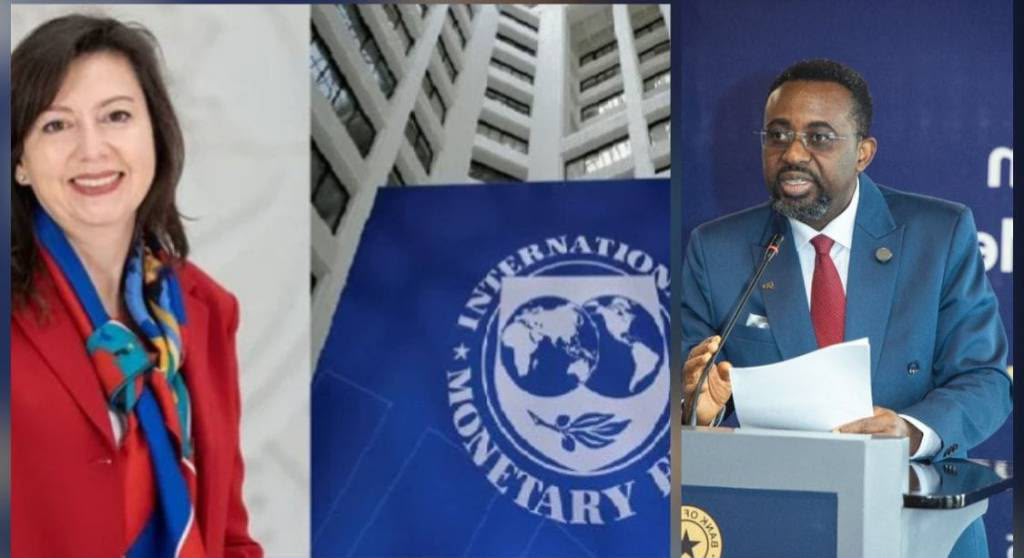
The International Monetary Fund (IMF) has recommended that the Bank of Ghana reassess its Domestic Gold Purchase Programme due to concerns over balance sheet impact and transparency. IMF economists estimate the programme generated a quasi-fiscal loss of around $214 million due to trading, fees, and exchange-rate fluctuations. While this accounting view overlooks the broader economic benefits, the Bank of Ghana's gold reserves have significantly increased, covering 3.7 months of imports by 2026.
Gold-related foreign exchange inflows also surged from $1.7 billion in 2023 to $12.7 billion in 2025. By stabilizing the exchange rate, the programme strengthens external resilience, mitigates inflation's hidden tax impact on households, and preserves economic growth. The IMF's evaluation should consider both the programme's financial costs and substantial economic benefits, such as inflation reduction, lower import costs, avoided cedi value increase, and enhanced economic stability.
Judging the programme solely on its financial impact neglects its crucial role in safeguarding Ghana's macroeconomic stability and long-term prosperity.
Written by urgent.news from MyJoyOnline Ghana's reporting — not their text. Machine-written — may contain errors; check the original before relying on it.