Safety fears as scientists make first viruses designed by AI
Researchers say breakthrough offers hope for new medicines but also raises urgent biosecurity questions Scientists have made the first viruses designed by artificial intelligence in a milestone that raises hopes for new medicines but also concerns over how to ensure the technology remains safe. The viruses are specific kinds known as bacteriophages, which only infect bacteria and are used around…

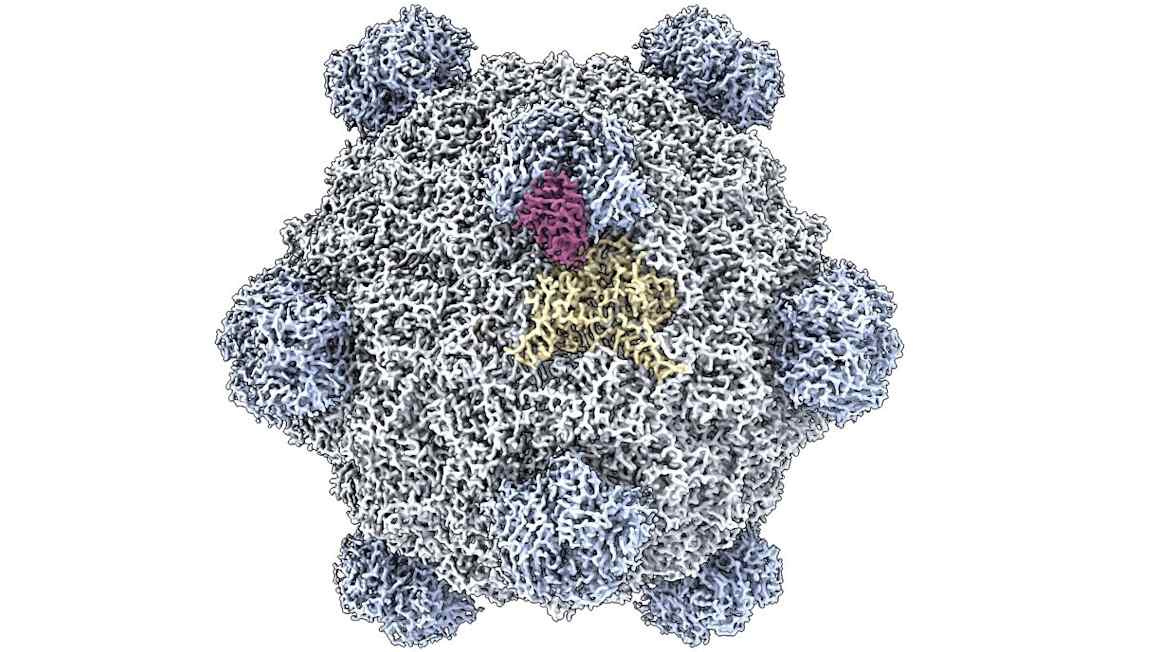
Scientists have created the first viruses designed by artificial intelligence, marking a milestone in potential new medicines and raising biosecurity concerns. The AI-designed viruses, called bacteriophages, target bacteria and are already used to treat stubborn infections. Led by Dr Brian Hie of Stanford University, researchers used genome language models to design functioning bacteriophage genomes, which were then synthesized and tested against antibiotic-resistant E coli.
While the approach showed promise for phage therapy and expanding biotechnological tools, scientists emphasized the urgent need for biosafety, biocontainment, and biosecurity measures. They urged researchers to consult safety professionals throughout the genome design process. Experts warned that while the technology could potentially be used to create harmful pathogens, existing methods of genome modification pose greater risks.
Safety measures should focus on DNA manufacturing and involve a layered approach to regulation, including model development oversight, responsible research review, synthesis screening, and laboratory biosafety protocols.
Written by urgent.news from Guardian Health's reporting — not their text. Machine-written — may contain errors; check the original before relying on it.
This story
This is one outlet's version. Read the fullest account.
- Safety fears as scientists make first viruses designed by AI theguardian.com