Proposed US-Iran deal to reopen Hormuz risks fate of failed July truce
The US, Iran and Oman are closing in on a 60-day interim deal to reopen the Strait of Hormuz, but analysts warn it leaves unresolved the crucial issue of who controls shipping through the waterway. Among the 2,339 Hormuz crossings tracked from late February until August 5, more than 54 per cent were “dark” transits with no reliable vessel-tracking signal, according to data from energy…
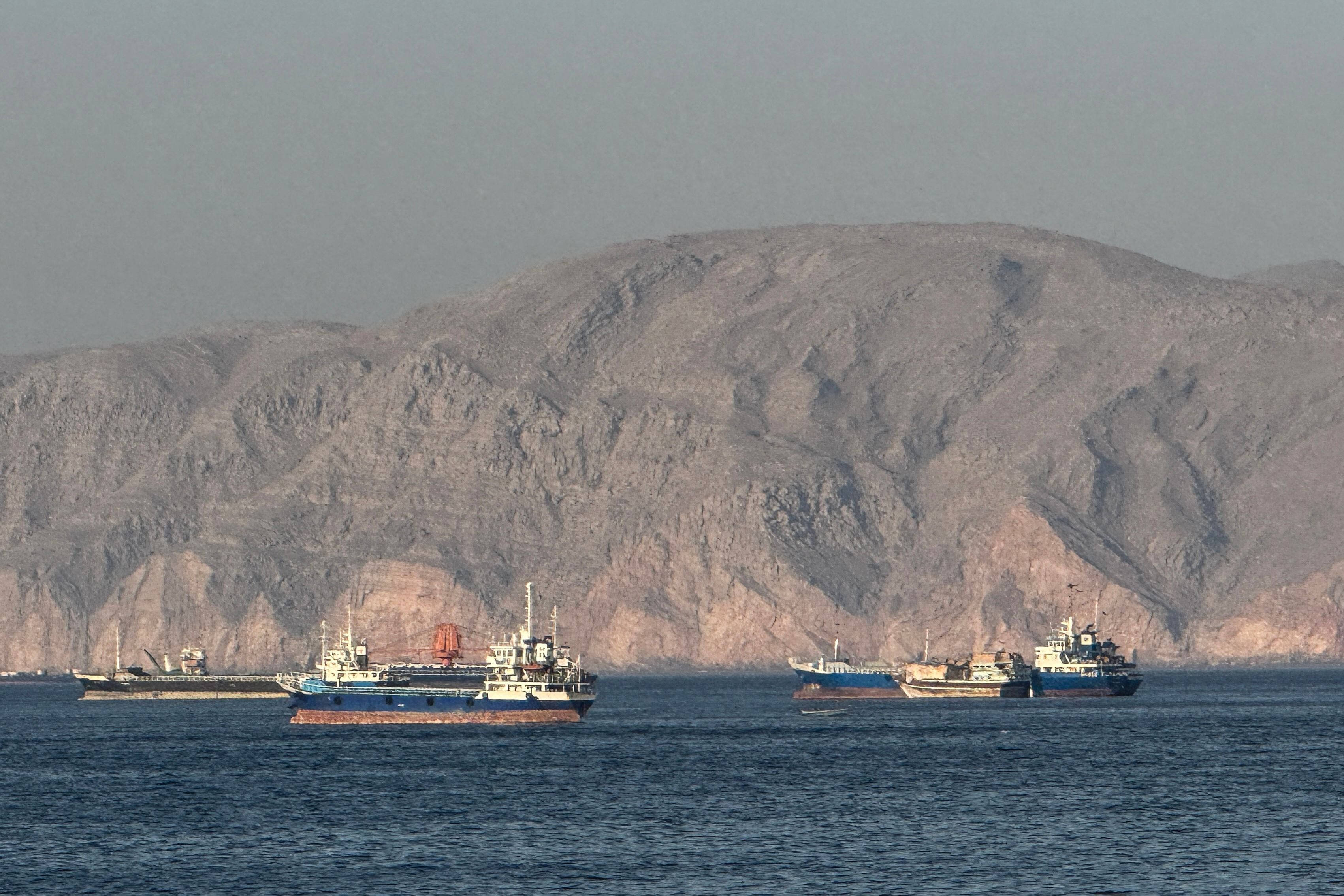
The United States, Iran, and Oman are nearing an interim deal to reopen the Strait of Hormuz, however experts caution that the deal does not fully address the core issue of who is responsible for controlling shipping through the waterway. Out of 2,339 crossings recorded from late February to August 5, over 54% were "dark transits" with no reliable vessel tracking signals, with Iranian-controlled routes making up 29% of crossings.
Approximately 9% of the vessels used the route approved by the UN's International Maritime Organisation, while around 7% utilized the Omani route. Matthew Wright, Kpler's lead freight analyst, highlighted the risks associated with shipping through the Strait of Hormuz. The previous 14-point Memorandum of Understanding (MoU) signed in July failed to achieve a full reopening, as unresolved questions about vessel control through the strait left many international operators hesitant to return.
Iran's Deputy Foreign Minister Kazem Gharibabadi stated that the deal is a "temporary route" lasting between two to four months and does not equate to the full reopening of the strait. The major issue for oil exporters in the Gulf is the charging of tolls. Iran has demanded ships obtain permission and pay fees to transit, a demand rejected by Gulf states and the US.
Oman has suggested a voluntary-contribution model similar to the Strait of Malacca's, which does not charge vessels a mandatory per-transit fee. The control of payment was a central point in past talks, with Iran holding most of the leverage now. Insurance coverage for vessels using the Strait of Hormuz will depend on insurers' willingness to cover each voyage case by case, considering factors such as notification, authorisation, sanctions exposure, and war-risk conditions.
The decision to open the Strait of Hormuz will largely depend on the US and Iran's ability to sustain political understandings behind any reopening.
Written by urgent.news from The National UAE's reporting — not their text. Machine-written — may contain errors; check the original before relying on it.