New kind of flu shot is on the way as the FDA approves Moderna's mRNA-based vaccine
The shot, named mFlusiva, is intended for adults age 50 or older.

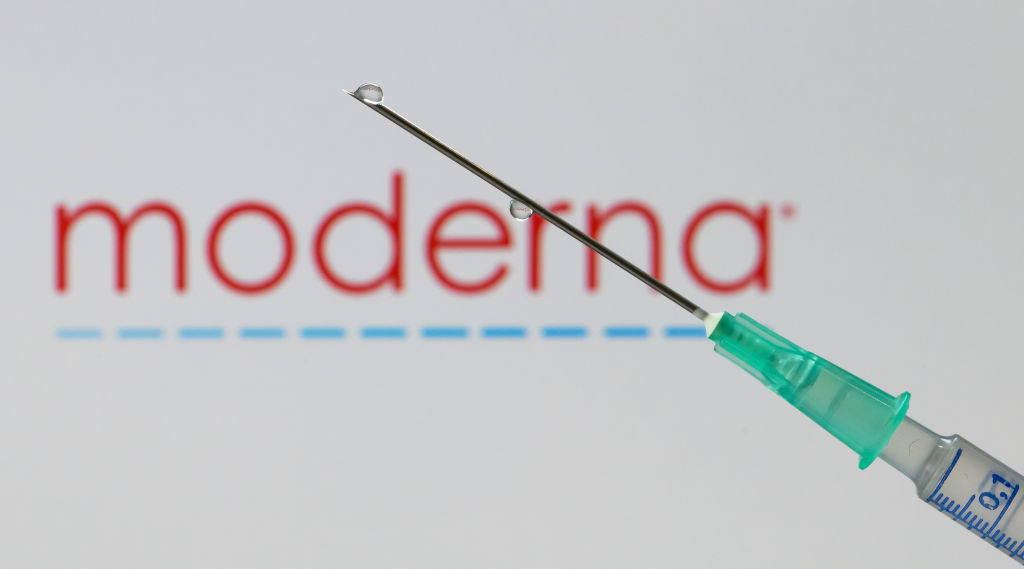
The Food and Drug Administration has granted approval for a novel flu vaccine developed by Moderna, marking the inaugural use of mRNA technology in combating influenza, particularly targeting adults aged 50 and above. The vaccine, termed mFlusiva, is poised for early availability in pharmacies prior to the fall vaccination season, with select retailers expected to stock some of the new variant soon.
Despite the presence of multiple flu vaccine alternatives in the U.S., including three specifically recommended for individuals aged 65 and older, influenza remains a significant threat, claiming tens of thousands of lives annually, with older adults being the most susceptible. These vaccines necessitate annual updates to align with the evolving strains of the virus.
The innovative mRNA-based vaccines, which earned Moderna the Nobel Prize, promise a quicker production timeline than traditional vaccines, potentially offering a strategic advantage in responding to rapid mutations of the influenza virus. Moderna, headquartered in Cambridge, Massachusetts, reported that the FDA granted full approval for mFlusiva's use in adults aged 50 to 64, following a comprehensive study involving 40,000 participants that demonstrated a 27% reduction in flu cases compared to another widely used flu vaccine brand.
For individuals aged 65 and older, the company secured accelerated approval for the vaccine, based on a smaller study indicating a robust immune response compared to an existing high-dose vaccine for seniors, as additional postmarketing research is conducted. Moderna's data revealed no major safety concerns, although the vaccine did induce some transient reactions, such as injection site pain, fever, headache, fatigue, and muscle aches, more frequently than contemporary flu shots.
The FDA's decision follows a contentious public dispute earlier this year, where a senior FDA official initially vetoed Moderna's application, reflecting the agency's intensified scrutiny of vaccines under Health Secretary Robert F. Kennedy Jr.'s leadership. However, the agency reversed its stance after Moderna publicly challenged the ruling, and in June, an independent panel of FDA advisers unanimously endorsed the vaccine's approval.
Written by urgent.news from Associated Press's reporting — not their text. Machine-written — may contain errors; check the original before relying on it.
This story
This is one outlet's version. Read the fullest account.