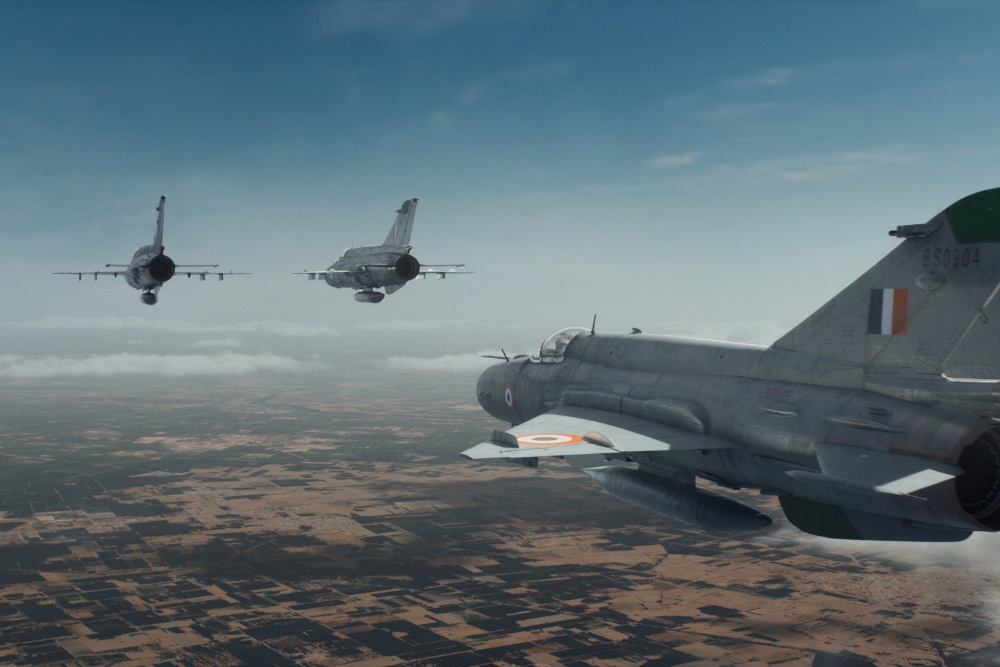
After drone incident: What is the security situation like in Germany?
How drones, cyber attacks, and sabotage challenge security in Germany – and why airports are only part of the problem.
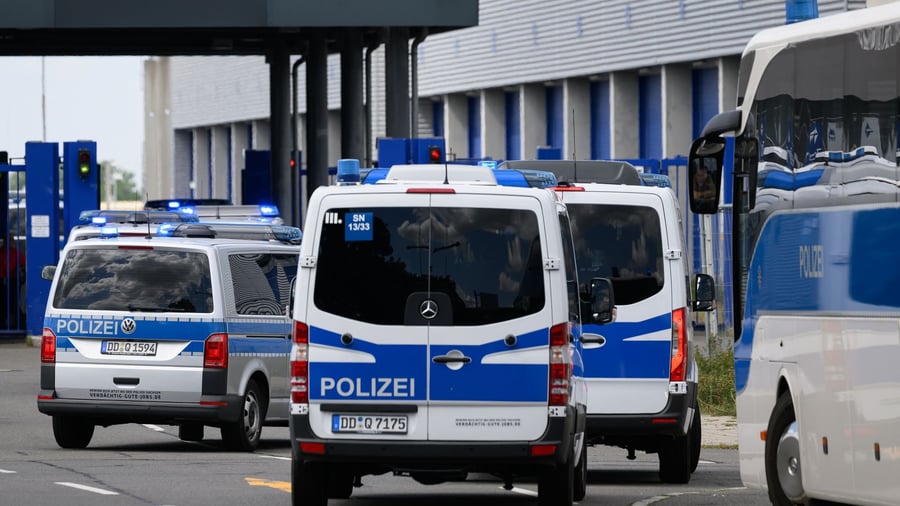
In the wake of a drone incident at a German airport, questions arise about the nation's security landscape. Federal Interior Minister Alexander Dobrindt, returning from holiday, arrived in Leipzig to address concerns. In discussing the "hybrid attack scenario," Dobrindt clarifies that these threats aim to create uncertainty rather than engage in direct military conflict.
The security measures against such threats are covert, potentially involving cyberattacks, political influence, or espionage. While Russia is not directly blamed for the incident, Dobrindt suggests a competitive dynamic involving "possibly foreign powers" that sought to cause significant unease in Germany. Union party spokesman Alexander Throm posits that the Leipzig incident indicates a "hybrid war" threat to Germany.
Dobrindt confirms that the security situation has become more severe, stating that the risks are no longer abstract but are now at a high level. Following a meeting with security authorities in Leipzig, Dobrindt notes a heightened flow of information and warnings from both federal and regional security agencies. The range of threats includes infiltration, surveillance, sabotage of critical infrastructure, cyberattacks, and physical violence against economic and civil society representatives.
Since the Russian aggression against Ukraine began, there has been a noticeable increase in the number of illegal drones detected near Germany's critical infrastructure. Critical infrastructure refers to sectors that ensure the supply of essential goods and services, with potential failures leading to catastrophic consequences. These sectors include energy, water supply, food security, finance and insurance, information technology and telecommunications, media and culture, waste management, state and administration, and transport and logistics.
Political measures are being taken to adapt laws and standards to new threats and technological advancements. In January, the Bundestag passed a new "Critical Infrastructure Act," imposing stricter safeguards for operators of critical infrastructure to protect against attacks. As a follow-up to the Munich airport drone incident in the autumn, a Joint Drone Defense Center has been established by the federal government and the states within the Federal Police to facilitate information sharing and coordinated responses.
After the Münster airport drone incidents in the spring, changes to the Air Defense Law allow federal states to request Bundeswehr assistance in drone defense. While completely preventing such attacks remains elusive, politicians and experts acknowledge that more can be done in defense. The Airport Association notes that several major airports are still awaiting equipment for drone detection and defense, as promised by the Interior Ministry.
Union party member Alexander Throm asserts that continuous improvements in hybrid attack defense measures are underway. However, questions remain about the distribution of responsibilities between the Bundeswehr, state police, and federal police. Ensuring daily updates on the security situation, clearly defining state responsibilities, and establishing a nationwide drone defense infrastructure are also emphasized as necessary steps.
The Green party's Innenpolitiker Konstantin von Notz demands "unambiguous responsibilities," including daily situational awareness, better-equipped police forces, and the creation of a nationwide drone defense infrastructure.
Written by urgent.news from Handelsblatt's reporting — not their text. Machine-written — may contain errors; check the original before relying on it.