My lawn was completely fried after the heatwave — to save it I had to stop making these 3 mistakes
I thought I was helping my scorched lawn, but these 3 common mistakes were keeping it brown. Here’s how to revive your grass after a heatwave.
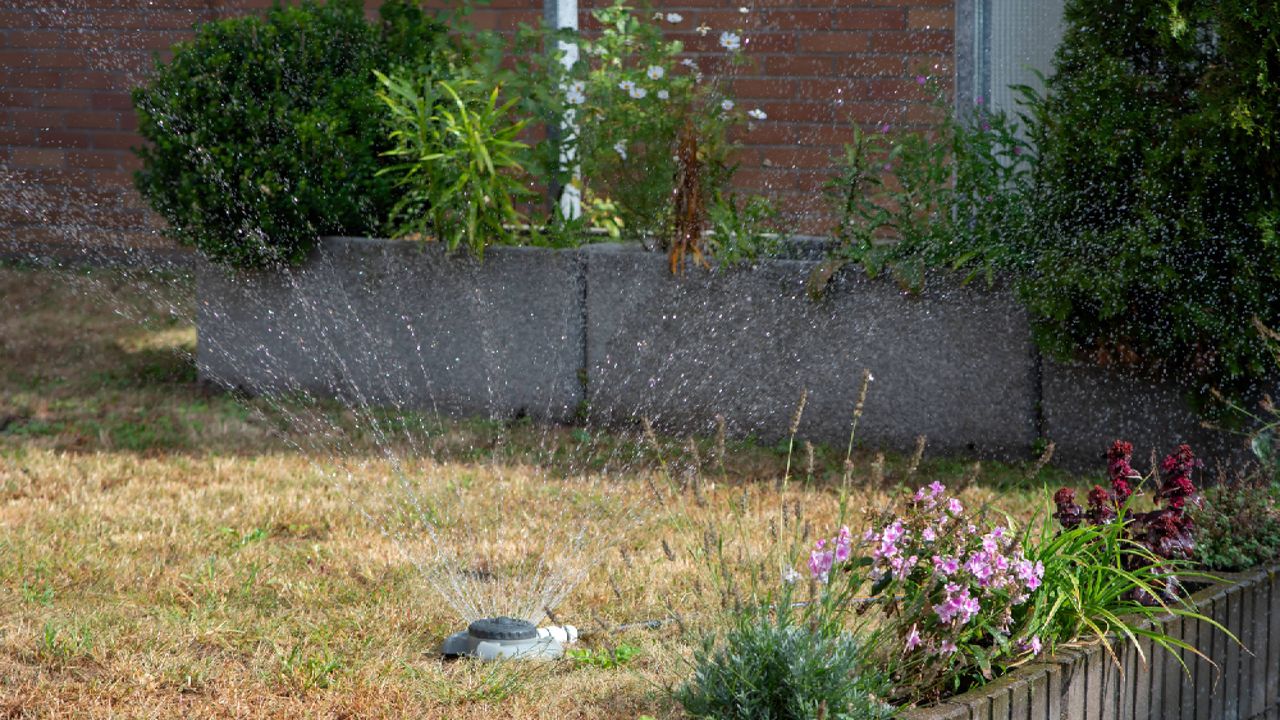
A week of extreme heat can wreak havoc on a lawn, turning it brown and lifeless. The instinct is to water the grass, fertilize it, or lower the mower blade, but these actions can actually exacerbate the problem. The grass is simply going into dormancy to survive the heat, which is a natural response. However, there are three specific mistakes that can kill off the grass even after it survives dormancy.
One major mistake is watering the lawn in the evening. This seems logical, but it actually creates conditions that promote fungus and rot. Furthermore, watering for short periods at sunset only moistens the top quarter-inch of soil, causing grass roots to remain near the surface. When the heat returns the next day, these shallow roots are more vulnerable to scorching.
Instead, water the lawn between 5 and 8 AM with deep waterings three times a week, soaking the soil 4 to 6 inches down. To ensure you're providing the right amount of water, use the tuna can method: place an empty can on the lawn and water until it fills to one inch.
Another common mistake is fertilizing dormant grass. When the grass appears brown, it's not necessarily dead; it's simply conserving energy. Applying heavy nitrogen fertilizer at this stage forces the grass to grow soft, new leaves that it cannot support with its limited water reserves, ultimately damaging the root system. To avoid this, do not apply synthetic fertilizers during the summer heat.
Instead, top-dress bare patches with rich compost or use organic root-boosters like liquid kelp, which promote root health without encouraging excessive leaf growth. Wait until the fall when temperatures drop before resuming regular fertilization.
Finally, cutting the grass too short is a critical error during heat stress. Taller grass blades provide shade for the soil underneath, preventing the topsoil from baking in the sun and reducing moisture loss. When you mow the lawn too short, direct sunlight bakes the ground, evaporating moisture and exposing the root crowns to extreme temperatures.
This also creates bare patches where heat-loving weed seeds can germinate and establish. To protect your lawn, raise the mower blade to 3.5 to 4 inches immediately. Although you'll need to mow more frequently, the taller grass will reduce water evaporation by up to 30 percent, shade its own root system, and prevent crabgrass from taking hold.
Written by urgent.news from Tom's Guide's reporting — not their text. Machine-written — may contain errors; check the original before relying on it.