Microsoft quietly deletes 32 GB RAM recommendation, which I'm sure has nothing to do with it bringing back 8 GB laptops
Is 8 GB enough any more?
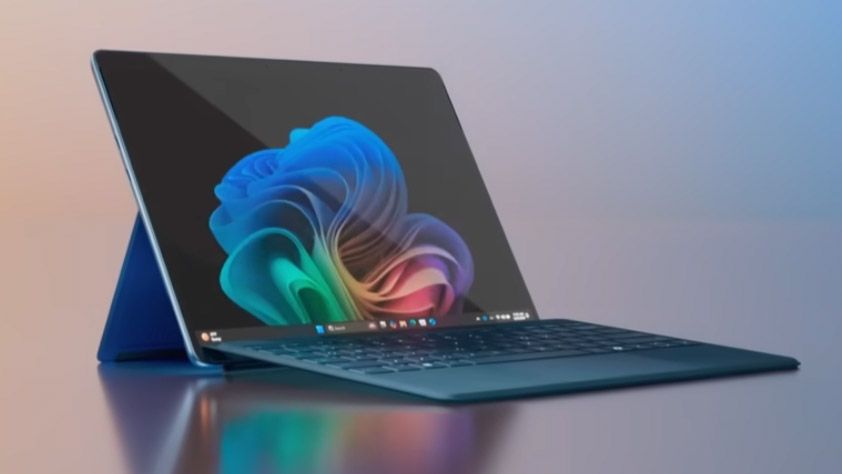
Microsoft recently removed two support documents that recommended 32 GB of RAM for gaming PCs, and this move has raised eyebrows. The deletion of these documents aligns with Microsoft's recent decision to reintroduce 8 GB laptops in their Surface line, specifically the 7th-generation Surface and Surface Pro 12th edition. These recent changes are particularly intriguing, as there appears to be a deliberate effort to distance Microsoft from the 32 GB memory recommendation.
It's worth noting that the 8 GB option was removed from the newly released devices in the 7th-generation Microsoft Surface and Microsoft Surface Pro 12th edition. Even more puzzling, these devices fall short of the memory requirements to be classified as a Copilot+ PC, and they come with a hefty price tag of around $1,299. Microsoft's decision to remove the 8 GB memory option from these laptops is highly regrettable, as the initial assessment seems reasonable.
While 16 GB of memory is sufficient for most games, 32 GB is ideal for serious gamers who run demanding titles or use heavy mods. The speaker personally chose to opt for 32 GB of DDR5 memory in their own rig and wouldn't settle for less. However, the speaker also acknowledges that they regularly engage in gaming, and thus, they believe that 32 GB is the way to go.
The memory crisis, as suggested by a decline in console sales, might pose a challenge for Microsoft. However, the company's burgeoning AI usage is also contributing to the issue. Ultimately, consumers are bearing the brunt of AI expansion in various ways, but the most pressing concern for PC gamers is the increasing costs associated with storage and memory.
It seems counterintuitive for Microsoft to endorse 32 GB when its latest Surface Pro device will set users back a minimum of $2,750 for such an amount of memory. Additionally, there's no indication that Microsoft will reverse its pricing strategy anytime soon. According to Samsung, a leading memory manufacturer, a severe memory supply crisis is expected to occur next year.
Even beyond 2029, the outlook remains uncertain due to limited visibility. AMD also recently made a similar move, after previously advocating for gamers to look beyond 4 GB of VRAM in 2020, it has just launched a 4 GB graphics card, the RX 9050. As these major companies continue to pour more resources into AI, the situation with memory availability remains bleak until it all settles down. The speaker hopes that 2029 or possibly 2030 will bring positive changes to the memory situation.
Written by urgent.news from PC Gamer's reporting — not their text. Machine-written — may contain errors; check the original before relying on it.