Microsoft pushes safer software construction as AI makes offense cheap
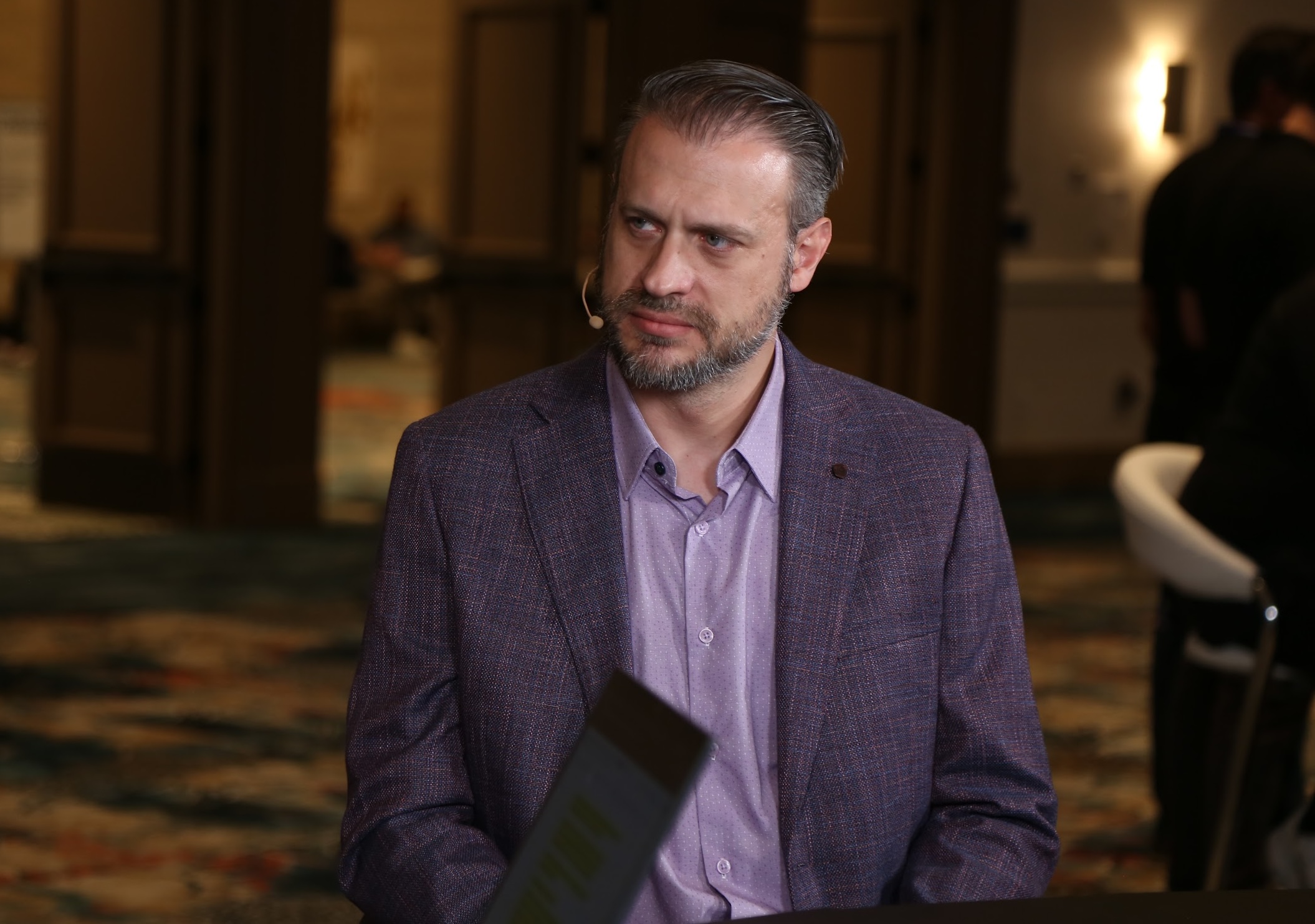
AI is ending the era of scarce vulnerabilities, making powerful offensive capabilities abundant and forcing cybersecurity teams to move beyond reactive patching toward fundamentally safer software construction. That reality was the core of a Black Hat USA keynote by David Weston (pictured), vice president of AI security at Microsoft Corp., titled “The End of Rare: […] The post Microsoft pushes…
Microsoft is advocating for a shift in software development practices as artificial intelligence makes offensive capabilities more abundant and accessible. During a keynote at Black Hat USA, David Weston, vice president of AI security at Microsoft, warned that traditional defensive strategies based on scarcity are becoming obsolete.
Weston emphasized that investing in AI-driven productivity gains is crucial for building safer software, including adopting memory-safe languages like Rust and employing formal verification techniques. He argued that defenders must adapt to the asymmetric nature of AI-powered attacks, where attackers only need to succeed once while defenders face compliance and process constraints that slow their response.
Weston cited Google's success with Rust, which reduced memory-safety issues from 75% of vulnerabilities in 2019 to below 20% by 2025, as evidence of the potential benefits of safer coding practices. He urged developers to experiment with these safer methods in their codebases to change the "physics" of software construction.
Written by urgent.news from SiliconANGLE's reporting — not their text. Machine-written — may contain errors; check the original before relying on it.